When someone confides in you about experiencing abuse, it’s a sensitive situation that demands care and kindness. Regardless of whether the person is a child or an adult, your primary goal should be to ensure their safety and provide them with support.
Modern slavery is a serious issue that occurs when one person takes control over another, and according to recent estimates, around 49.6 million people around the world are caught in various forms of modern slavery, including forced labour and forced marriages.
Getting your monitor set up at the right height is important for staying comfortable and avoiding strain when you spend a lot of time on your computer. Ideally, the top of your monitor screen should be at or slightly below your eye level.
If you are concerned about someone's safety, it is essential to act quickly. Delaying may worsen the situation for that person. You don't need to be entirely certain that something wrong is occurring.
Slips and trips are accidents that can occur anywhere—at work, in your home, or in public—and they can result in serious injuries. It’s crucial to understand the causes of these accidents so we can take steps to prevent them.
Food safety certificates don’t expire, but it's recommended to renew training every 3 years to stay up to date on laws, best practices, and industry standards.
Fire safety training is essential for employees to learn how to prevent fires, evacuate safely, and respond effectively during emergencies. This training addresses specific workplace risks, ensuring everyone understands how to manage potential fire hazards.
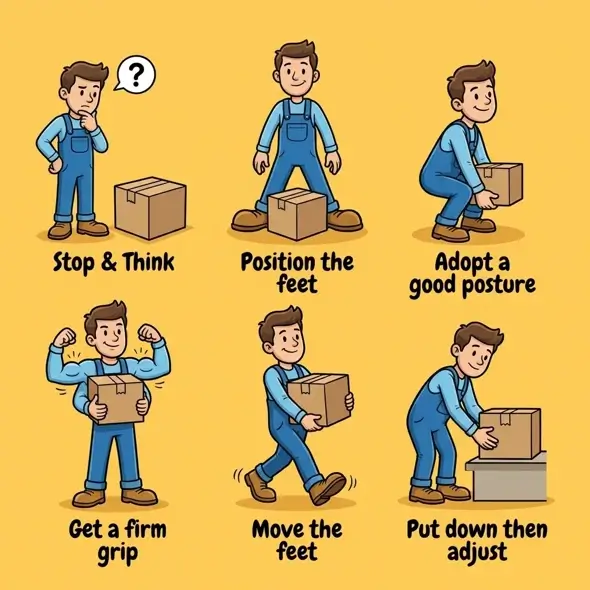
Employers must take necessary precautions to mitigate risks, especially in workplaces with 5 or more employees. In these cases, active manual handling policies are essential, requiring documented risk assessments for review.
Asbestos awareness certificates do not have a specific expiration date, but it is advisable to refresh your training annually. This recommendation is based on safe work practices suggested by the Health and Safety Executive (HSE).
The UK Equality Act 2010 recognises four main types of discrimination: Direct, Indirect, Associative, and Perceived Discrimination. These categories protect individuals from unfair treatment based on specific characteristics.