


What Are The Main Causes Of Slips And Trips?
Environmental Issues
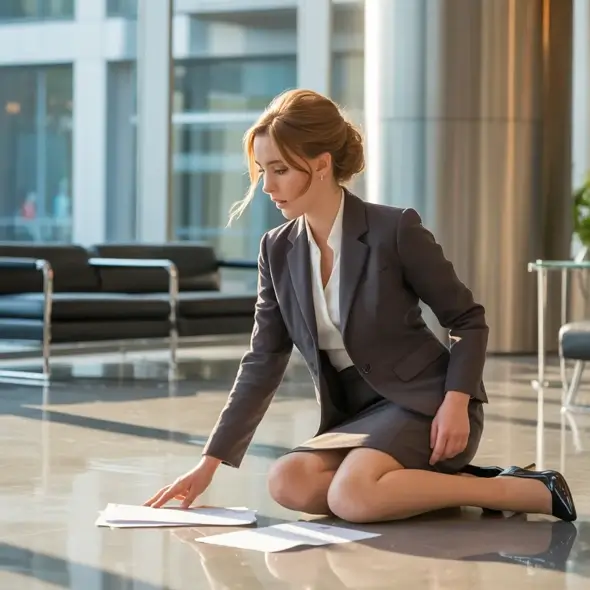
Slips and trips are accidents that can happen anywhere—at work, in your home, or out in public—and they can lead to serious injuries. It’s important to know what causes these accidents so we can work to prevent them. Here are the main reasons why slips and trips occur:
- Wet or Dirty Floors: Floors can become slippery from water, oil, or dirt. These make it harder to walk safely, especially near doors where people bring in water from rain or in crowded places where spills are common.
- Messy Areas: If areas are not kept tidy, items like boxes, equipment, or electronic cords can block walkways. This clutter creates hazards that people may trip over when moving around.
- Uneven Surfaces: The condition of the floor is very important for safety. Cracked, broken, or bumpy floors, as well as torn carpets or loose tiles, can lead to falls. Changes in floor height, like steps, can also surprise people and lead to trips.
- Lighting and Weather Conditions: Good lighting is essential to clearly see hazards. Poor lighting makes it easy to overlook dangers. Weather can also play a role—rain or snow can create slippery spots. Additionally, stairs or ramps without handrails increase the risk of falling.
Personal Issues
As well as environmental issues, some personal issues that influence slips and trips include:
- Distractions: People often find their attention drawn to conversations or their phones. While chatting or checking messages, they might miss hazards like loose cables or uneven floors, making it harder to keep safe.
- Rushing: In many work environments, there's a push to get things done quickly. When employees hurry, they may skip important safety steps or take shortcuts, increasing the risk of accidents.
- Messy Work Areas: Keeping workspaces tidy is crucial for safety. Problems can arise when boxes, tools, or trash are left lying around. Failing to clean up spills promptly can make floors slippery, increasing the risk of slips and falls.
- Carrying Heavy Items: Sometimes, employees carry large or awkward items that block their view or make balancing more difficult. This can lead to trips over things that they would normally see and avoid.
- Footwear Choices: The type of shoes people wear is very important for safety. Accidents frequently occur when employees wear shoes that don’t provide enough grip or aren't suitable for the environment, especially when the floors are wet or greasy.
- Fatigue and Lack of Training: Being tired can affect how well someone pays attention and makes decisions, leading to mistakes in following safety rules. Also, if employees haven’t been trained properly, they might not know the best practices for staying safe at work. This combination of tiredness and lack of knowledge can increase the risk of slipping and tripping.