Risk assessments and method statements (RAMS) are crucial for workplace safety, especially in UK construction and industrial settings. While not legally required, method statements are highly recommended to help businesses comply with health and safety regulations.
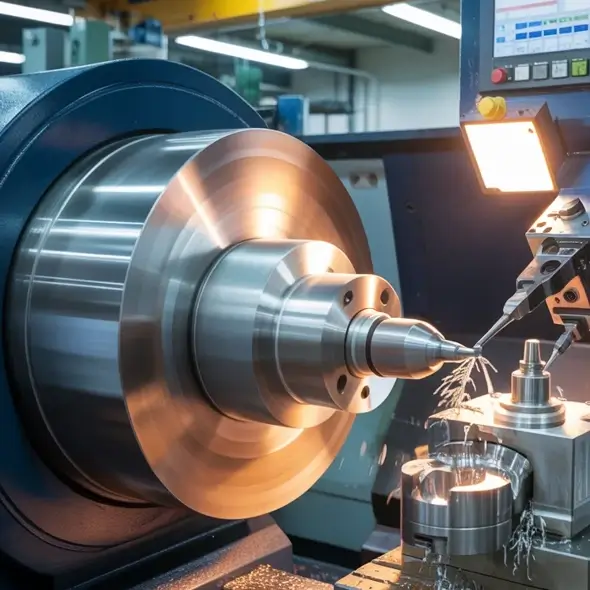
The Provision and Use of Work Equipment Regulations 1998 (PUWER) are laws that ensure the safe and proper use of tools and machinery in the workplace, covering everything from hand tools like hammers to complex machines like lathes.
A safeguarding course for childminders is essential training that equips childcare professionals with the skills to identify, report, and prevent child abuse, neglect, and harm.
The Care Act 2014 brought major reforms to the provision of care and support services, representing the most substantial update in more than sixty years. Under this legislation, people and their caregivers now have greater authority to make decisions about their own care.
Starting a cleaning business in the UK is rewarding, with low initial investment, high demand, and good earning potential. Owners can earn between £44,000 and over £62,000 annually, making it an appealing opportunity for entrepreneurs.
Over 150 species of edible flowers enhance culinary experiences worldwide, offering a variety of flavours and aromas—from the peppery taste of nasturtiums to the sweet, citrus notes of honeysuckle.
Starting a food business in the UK requires careful planning and adherence to food safety regulations. You must register your business with the local authority at least 28 days before trading.
Unconscious bias refers to the automatic, involuntary stereotypes and attitudes individuals form about others, often shaped by their backgrounds, life experiences, and societal norms.
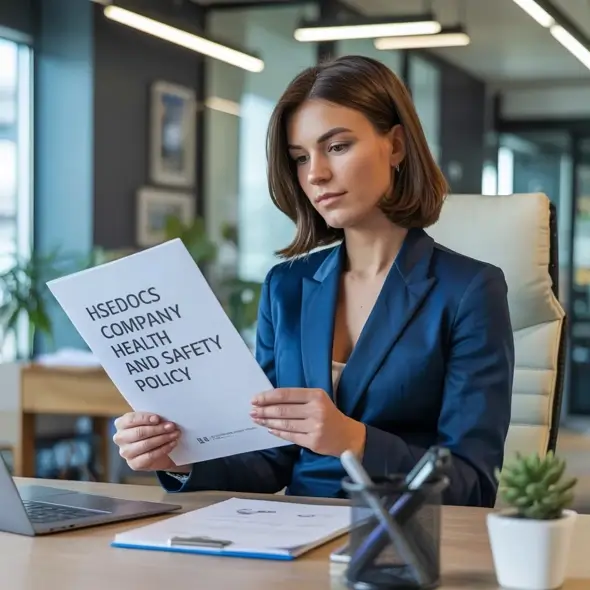
A health and safety policy template provides organisations with a structured framework that can be customised according to their individual requirements. It delineates legal responsibilities and affirms the organisation's commitment to maintaining a safe working environment for all employees.
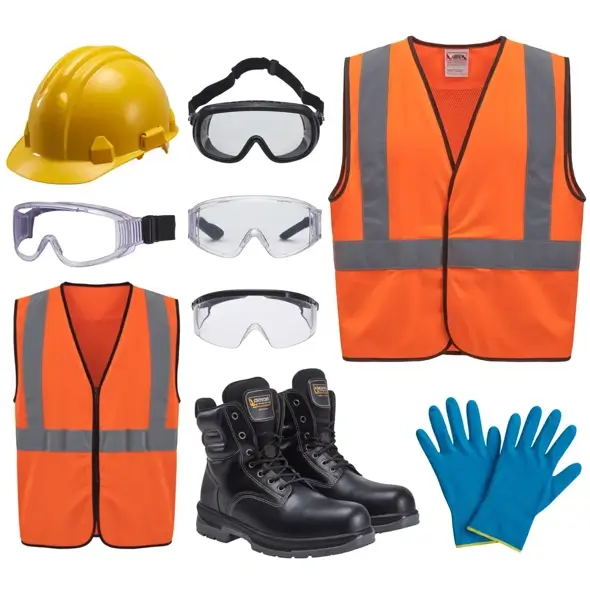
Personal protective equipment (PPE) should not be the only means of ensuring safety in hazardous environments. It should be considered a last line of defence, used after all other risk mitigation measures have been applied.