
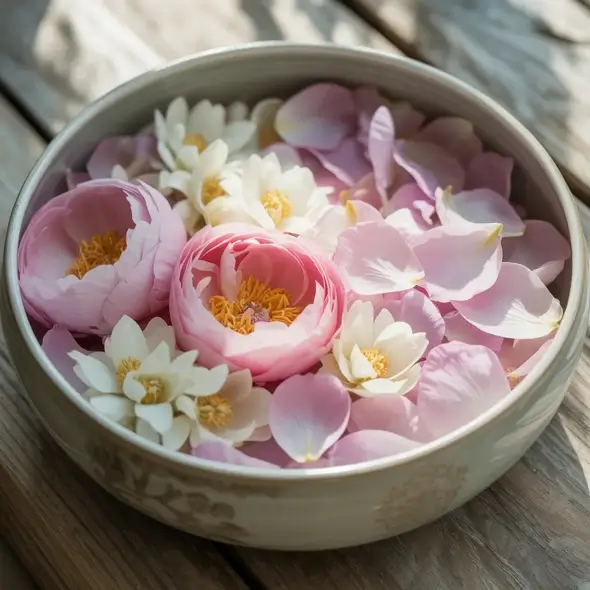


How many types of edible flowers are there?
There are more than 150 identified species of edible flowers, alongside numerous cultivars that enhance culinary experiences across various cuisines. These flowers offer an intriguing range of flavours and aromas, from the peppery, spicy tones of nasturtiums to the sweet, citrusy notes of blossoms like honeysuckle. Some of the most commonly recognised edible flowers include nasturtiums, roses, pansies, lavender, chamomile, and chive blossoms, each bringing a unique essence to the table.
Commonly Eaten Flower Types Include:
- Sweet/Citrusy: Flowers such as roses, lavender, pansies, violets, honeysuckle, and hibiscus fall into this category. These flowers are often used in desserts, teas, and salads because of their pleasant aromas and flavours that evoke a sense of freshness and brightness.
- Spicy/Savoury: With a more robust flavour profile, nasturtiums (with a distinctive peppery kick), marigolds, chive blossoms, and arugula flowers add depth and complexity to dishes. These flowers can be used in salads or as garnishes to enhance savoury meals.
- Herbal: Many culinary herbs produce flowers that are also edible. These include the blossoms from basil, mint, rosemary, thyme, and sage. Not only do they taste great, but they also add a lovely visual element to dishes, making them perfect for gourmet presentations.
- Vegetable Family: Certain flowers from the vegetable family, such as broccoli, cauliflower, and zucchini blossoms, are not just edible but also delicious. Zucchini blossoms, often stuffed and fried or added to various recipes, are particularly popular in many culinary traditions.
Key Considerations for Edible Flowers
- Safety First: It is crucial to ensure that any flower you plan to consume is either specifically cultivated for culinary use or widely recognised as safe to eat. Always avoid flowers treated with pesticides or other harmful chemicals, as they can pose serious health risks.
- Parts to Eat: When preparing and consuming edible flowers, it's generally recommended to eat only the petals, as they are the most flavourful and palatable parts. It's best to remove the stamens and pistils to avoid bitterness or potential allergic reactions.
- Moderation: While edible flowers can add flair and flavours to your meals, they should be consumed in moderation. Eating large amounts may lead to digestive upset or other adverse effects, so it's advisable to include them as a garnish or flavour enhancer rather than as a main ingredient.
Incorporating edible flowers into your culinary repertoire can elevate your dishes while providing exciting flavours and colours. Just remember to keep safety and moderation in mind as you explore this vibrant and delightful addition to your meals!