
Carpet fitters health and safety RAMs pack. BEST OFFER
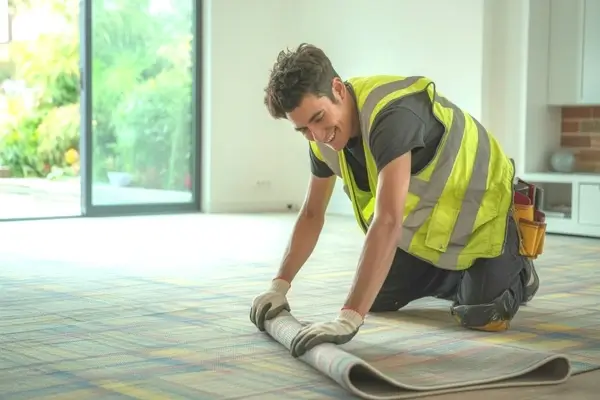
All your Carpet Fitters RAMS in one place and one document. A complete health and safety package for just £65.00.

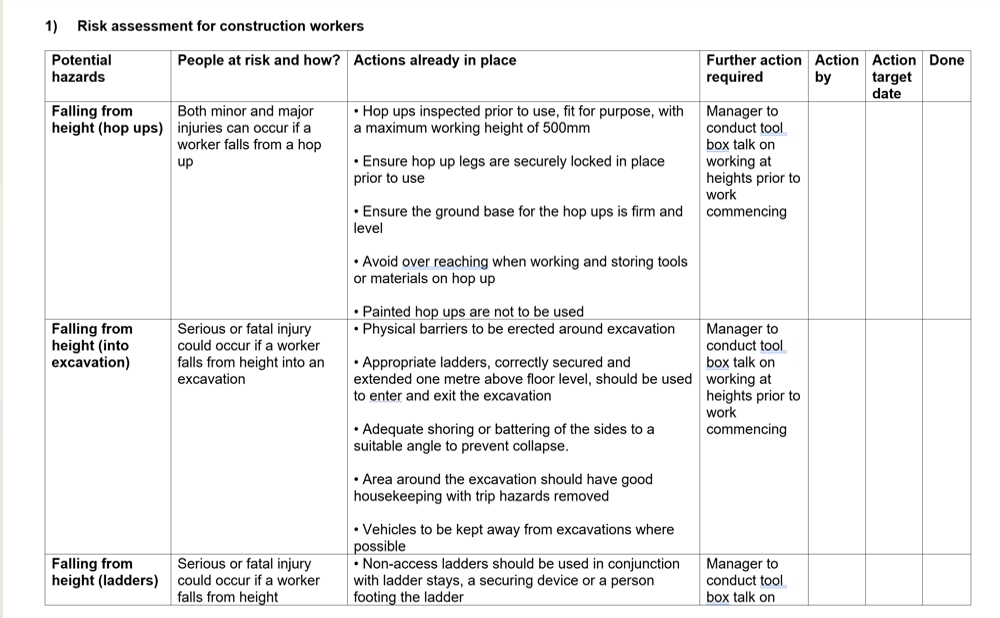 |
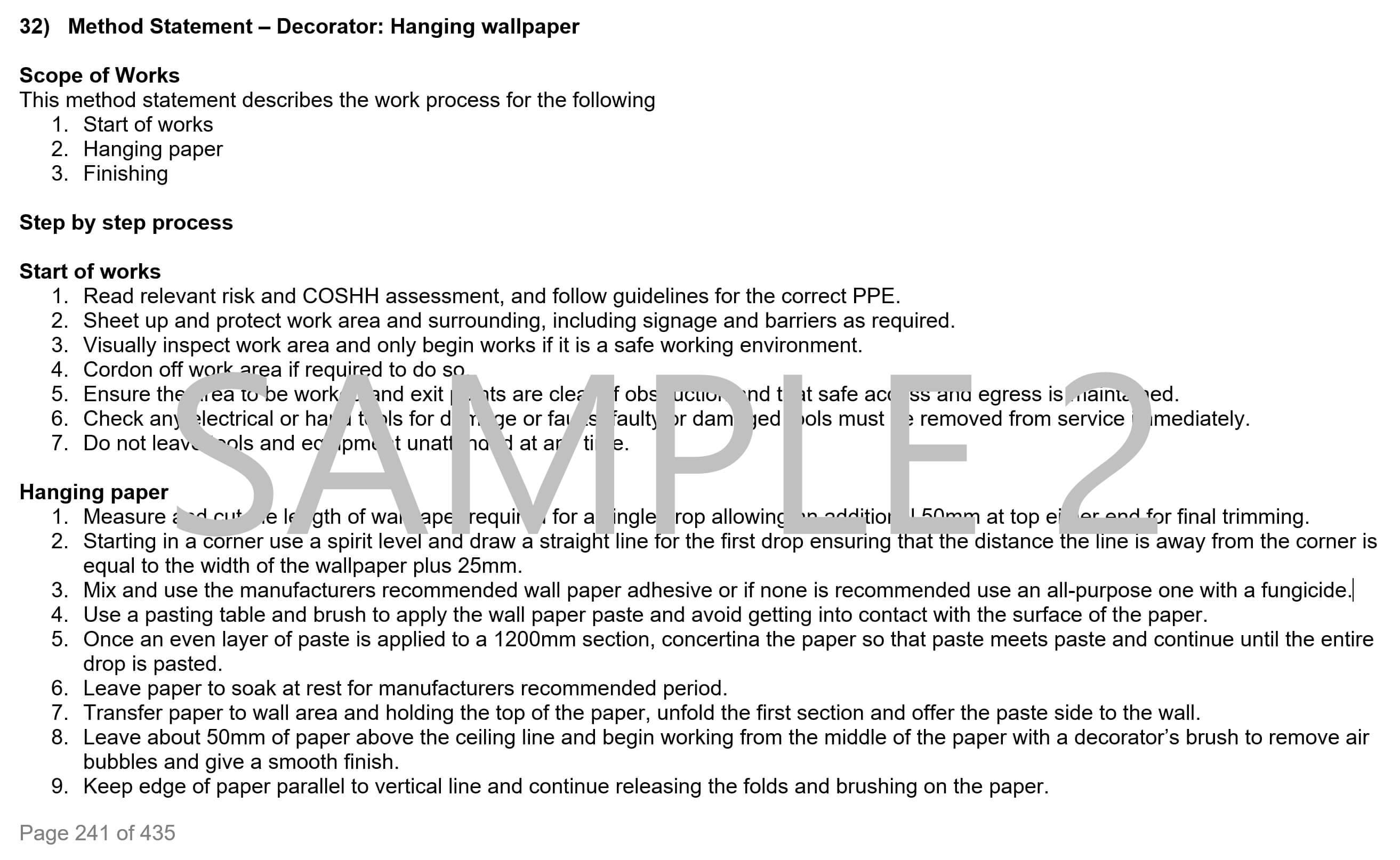 |
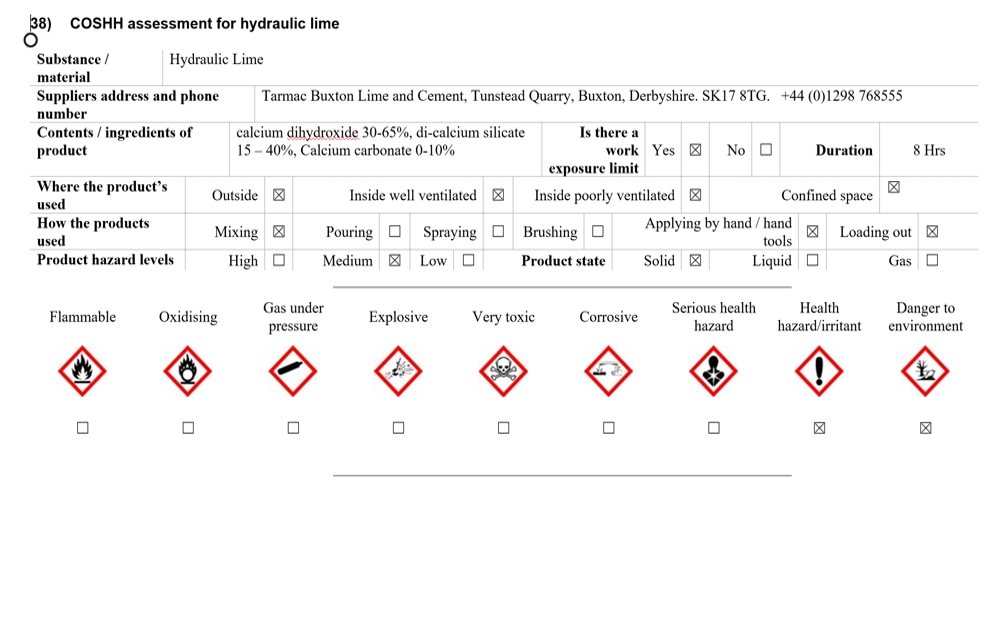 |
|
Sample 1 |
Sample 2 |
Sample 3 |
What are Carpet Fitters' RAMS
RAMS for carpet fitters are designed to help mitigate risks by informing the fitters of potential hazards or health risks and implementing control measures to eliminate or reduce the risks to an acceptable level.
Risks when fitting carpets include physical injuries from heavy lifting, sharp tools, and repetitive motions; health hazards from dust, allergens, and chemicals in adhesives. Here are some potential risks in more detail:
Musculoskeletal Injuries: Lifting heavy carpet rolls, which can weigh over 50 kilos, along with the repetitive use of tools like knee-kickers, significantly raises the risk of muscle strains, lumbar spine issues, and chronic knee problems. These injuries often result from improper lifting techniques or sustained pressure on joints, eventually leading to conditions such as tendinitis or herniated discs.
Cuts and Puncture Wounds: Using sharp tools like utility knives and tack strips carries a significant risk of deep cuts. A brief moment of inattention while cutting can lead to serious injuries, especially if the blade isn't properly retracted or safety precautions are ignored. Deep lacerations can cause infections and, in some cases, permanent damage that may require surgical treatment.
Slips, Trips and Falls: Working in confined spaces, where manoeuvrability is limited, combined with the presence of uneven surfaces, greatly increases the risk of slips, trips, and falls. These incidents can occur due to loose carpet edges, scattered tools, or sudden shifts in footing. The potential for serious injuries, such as fractures or concussions, emphasises the need for careful navigation and the implementation of safety protocols.
Repetitive Strain Injuries: The demands of carpet fitting require numerous repetitive movements, including kneeling, bending, and stretching. Over time, such activities can cause musculoskeletal disorders like carpal tunnel syndrome, tendonitis, or chronic lower back pain. These conditions often develop gradually, worsened by poor ergonomics and a lack of breaks during the workday.
Dust and Allergens: During the preparation of subfloors and the installation of new carpeting, dust particles and allergens trapped in older flooring materials can be released into the air. Breathing in these particles, which may include mould spores, pollen, or pet dander, can worsen respiratory conditions and trigger allergic reactions, especially in sensitive individuals.
Chemical Exposure: The use of various adhesives, primers, and cleaning agents involved in carpet installation can often emit harmful fumes, including volatile organic compounds (VOCs). Prolonged exposure to these chemicals can lead to respiratory problems, skin irritations, and other health issues. Ensuring proper ventilation and the use of personal protective equipment, such as masks and gloves, is crucial to reduce these risks.
Biological Hazards: Poor carpet installation practices can lead to environments where moisture collects, encouraging the growth of mould and mildew. These biological hazards not only threaten the durability of the flooring but also pose serious health risks, such as respiratory infections and allergic reactions among occupants. Taking preventative steps, like controlling moisture and ensuring proper sealing, is essential to reducing these dangers.
To reduce the likelihood of harm, carpet fitters' RAMS packs include Risk Assessments, Method Statements and COSHH Assessments. Here is a brief description of each one:
Risk Assessments: A carpet fitter's risk assessment is a document that identifies and evaluates potential hazards and related risks during a carpet installation project, such as manual handling, slips, trips, exposure to dust, fumes, and hazardous substances, as well as the use of tools and equipment. The assessment helps determine and implement suitable control measures, such as personal protective equipment (PPE), safe work practices, and ventilation, to protect the workforce and others from harm and ensure compliance with health and safety regulations.
Method Statement: A carpet fitter's method statement is a detailed document that outlines the step-by-step process for fitting a carpet, including potential hazards and the control measures to ensure the work is carried out safely and efficiently. It acts as a "safe system of work" to prevent accidents, ensure quality, and demonstrate a company's commitment to health and safety to clients.
COSHH Assessment: A carpet fitter's COSHH (Control of Substances Hazardous to Health) assessment is a legal requirement that identifies and assesses the risks linked to hazardous substances used in carpet fitting, such as adhesives, cleaning agents, dust, and fumes. The assessment specifies control measures to protect workers, including proper personal protective equipment (PPE), ventilation, safe handling procedures, and training, to prevent harm and ensure compliance with health and safety laws.
GET THIS DOCUMENT
£65.00+VAT
- Available in Word™
- Fully customisable
- Add your Company Logo
- UK & EU Compliant