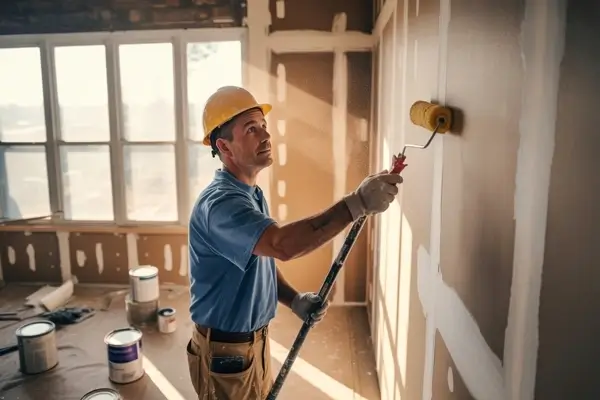
Company Health and Safety Policy:
If your company employs more than five staff members, including managers, secretaries, directors, etc., it is a legal requirement to have a written Company Health and Safety Policy. However, even if your company has less than five employees, it is highly recommended that a policy be put in place. A written policy can bring numerous benefits, including enhancing your company's reputation and increasing your chances of being accepted in various supply chains. Therefore, it is advisable to consider having a policy to help ensure your employees' safety and well-being while complying with legal obligations and industry standards.
RAMS
RAMS is an acronym that stands for all the health and safety documentation that a company must maintain, except for the Company Health and Safety Policy, which is a separate document. During the early stages of implementing health and safety regulations, the primary documents submitted were Risk and Method Statements, and the term RAMS was coined. Over time, RAMS has evolved to include three main types of documents that are now considered a crucial part of any company's H&S Pack. Apart from these standard documents, additional policies or statements may be required as part of the H&S Pack. The three essential documents for a painting and decorating RAMS Pack are:
Method statements:
A Method Statement is a document that guides painters and decorators on how to carry out tasks in a safe manner. Its importance cannot be overstated, as it prioritises safety by providing clear instructions on how to perform a task with minimal risk. A Method Statement should include a comprehensive guide on safe work systems for executing tasks to ensure workers' safety and prevent accidents. Although it is not mandatory by law, most principal contractors require a well-drafted Method Statement. Therefore, it is crucial to have a well-prepared Method Statement to ensure the safety of workers and prevent any potential hazards that may arise during the execution of a task.
Risk Assessments:
One of the most essential steps in maintaining a safe work environment is assessing risks. Risk assessment involves identifying potential hazards and implementing measures to control or minimise their impact. It requires a vigilant and proactive approach to identifying potential hazards and taking necessary actions to prevent them from causing harm. It is essential to stay up-to-date with the latest information, follow best practices, and implement effective control measures to ensure a safe and productive workplace for all individuals involved.
COSHH Assessments:
COSHH, which stands for Control of Substances Hazardous to Health, is a set of regulations to safeguard painters and decorators from exposure to harmful substances. These regulations require employers to identify hazardous materials and take necessary measures to control their associated risks. The main objective of COSHH is to prevent or minimise the risk of workers and the public being exposed to dangerous substances in the workplace. It is important to note that COSHH applies to many substances, including chemicals, dust, fumes, biological agents, and other hazardous materials. If a product or substance is found to be unsafe, it is recommended to replace it with a non-hazardous alternative that produces the same results, wherever feasible. This approach can significantly reduce the risk of harm to workers and others who may come into contact with these substances.