
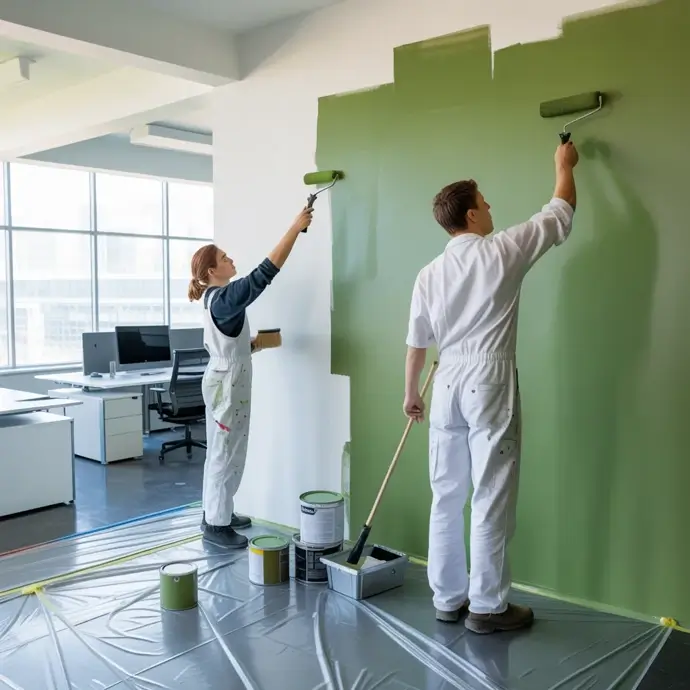


Introduction to Painting and Decorating RAMs
At HSEDocs, we recognise the unique challenges and dangers in the painting and decorating industry. Creating a safe workplace is about more than just following the rules; it's crucial for protecting both your workers and your business. That's why we've created detailed Risk Assessments and Method Statements (often called RAMS) specifically designed for painters and decorators.
With over twenty years of experience in the field, HSEDocs is committed to providing high-quality, up-to-date health and safety solutions that are affordable and trustworthy. Our materials are developed by experts and comply with all UK regulations, ensuring your documents meet the necessary safety standards.
Painting and decorating involve tasks such as preparing surfaces, working at heights, and handling paints and specialised equipment. Each of these activities carries its own set of risks that need to be carefully identified, assessed, and managed to prevent accidents and health issues.
RAMS are a vital part of a strong health and safety program. They help identify potential hazards for each task, evaluate the associated risks, and recommend appropriate safety measures. By using RAMS, you can:
- Protect your workers and anyone else who may be affected by your work.
- Meet UK health and safety laws.
- Show your commitment to safety to clients and regulators.
- Reduce the chances of disruptions from accidents or legal problems.
- Enhance your efficiency and maintain high professional standards.
Painting and decorating projects present their own challenges and hazards that require careful management to ensure worker safety and project success. RAMS provide a systematic way to recognise and address these risks. Whether you’re handling chemicals such as paints and solvents or using ladders and scaffolding, RAMS offers valuable guidance on managing safety effectively.
These documents help ensure that everyone on the team knows what is expected of them regarding safety. By preparing thorough RAMS, businesses can anticipate potential problems, prevent interruptions, and foster a workplace culture where safety is a top priority. This proactive approach not only creates a safer work environment but also leads to a more organised and efficient operation overall.
Legal Requirements and Compliance
Ensuring workplace safety is crucial, especially in the painting and decorating industry. In the UK, it’s important for companies to comply with specific laws, such as the Health and Safety at Work Act 1974 and the Construction (Design and Management) Regulations 2015.
These laws require employers to carefully assess risks and take steps to manage any hazards that may arise in the course of their work.
The painting and decorating job entails various risks that must be taken seriously. Workers often need to perform tasks at heights, using ladders, scaffolding, or raised platforms. They also handle materials that can be harmful if inhaled or mishandled, such as solvents, paints, and adhesives. Additionally, using tools such as spray guns and power tools can pose safety risks that must be managed to prevent accidents.
If companies don’t take the time to create detailed Risk Assessments and Method Statements (RAMs), they can face serious consequences. These can include hefty fines, legal trouble if accidents occur, and project delays that could ruin a contractor's reputation and harm client relationships.
Following these regulations isn’t just about avoiding penalties; it demonstrates a company's commitment to worker safety and quality. Clients and industry stakeholders expect businesses to have solid plans for managing risks, especially for complex or potentially dangerous projects. This makes having strong RAMs both a legal requirement and a key part of building trust and credibility in the industry.
By staying up to date on evolving laws and adjusting their plans accordingly, companies can ensure their RAMs meet current standards. Taking this proactive approach not only reduces the risk of legal issues but also helps create a culture of safety and professionalism among workers. In turn, this leads to a safer and more productive work environment for everyone involved.
How to Create a Painting and Decorating RAMs
Creating Risk Assessment, Method Statements, and COSHH Assessments (RAMs) for painting and decorating projects begins with a careful examination of the work site to identify potential hazards. This initial check involves a close review of the work environment and the assessment of factors such as working at heights, exposure to hazardous substances, and proper tool use. Recognising these risks is essential, as it helps in designing specific safety measures for each identified hazard. The focus should be on preventing accidents and reducing harm, including the use of personal protective equipment (PPE), proper material handling, and adherence to safe practices.
Documenting everything is an important part of the RAMs process. All identified risks and their safety measures must be clearly recorded so that every team member can understand them. The RAMs should also outline responsibilities, making it clear who is accountable for implementing and maintaining safety procedures. This clarity not only encourages responsibility but also ensures that everyone knows their role in keeping the work environment safe.
To make the creation of RAMs easier and more precise, using well-designed templates and tools—like those provided by HSEDocs—can be very helpful. These resources simplify the process and ensure compliance with safety standards and best practices. Additionally, including plans for dealing with emergencies, such as managing spills or handling falls, greatly increases the value of the document. This preparation equips workers with the knowledge they need to effectively deal with unexpected situations.
Keeping RAMs effective throughout a project requires regular updates and reviews. As on-site conditions and work requirements change, the RAMs should be revised accordingly. Conducting regular checks ensures the document remains relevant and reliable, helping protect workers' health and safety and contributing to successful project outcomes. Ongoing monitoring and adjustment of the RAMs safeguard employees and maintain the overall project quality.
Understanding Risk Assessments for Painting and Decorating
A risk assessment for painting and decorating follows a systematic process:
- Identifying hazards: Pinpoint what could cause harm, such as working at height, using solvents, dust from sanding, manual handling, electrical equipment, and slips, trips, and falls.
- Who might be harmed and how: Consider employees, subcontractors, clients, and the public.
- Evaluating risks: Assess the likelihood and severity of harm.
- Recording findings: Document significant hazards and control measures.
- Reviewing and updating: Ensure assessments remain valid, especially when tasks or environments change.
We make this process simple with ready-to-use, editable risk assessment templates. Our documents are intuitive and easily adapted to specific project requirements.
Method Statements for Painting and Decorating Projects
Method statements supplement risk assessments by detailing how specific tasks should be safely carried out. They provide clear, step-by-step instructions so everyone understands safe working procedures and control measures. For painting and decorating RAMS, a method statement may include:
- Site setup and preparation
- Safe access and work at height (ladders, scaffolding, mobile platforms)
- Application techniques for paints and coatings
- Ventilation requirements for certain products
- Waste disposal procedures
- Emergency procedures
- PPE requirements
Our method statements are designed to be practical, ensuring teams have the guidance they need to work safely and efficiently.
Frequently Asked Questions
What are RAMS in painting and decorating?
RAMS stand for Risk Assessments and Method Statements. In painting and decorating, these documents identify job hazards, assess associated risks, and outline safe procedures to ensure the safety of workers and others on site.
Why do I need painting and decorating risk assessments?
Risk assessments are required to comply with UK health and safety law, protect employees and others affected by your work, prevent accidents and injuries, and demonstrate your commitment to safety to clients. They are legally required for most businesses.
Can HSEDocs provide industry-specific painting and decorating RAMS?
Yes. HSEDocs specialise in creating RAMS packs tailored for painting and decorating. Our expert-designed documents comply with UK law and cover common hazards and tasks in the trade. Comprehensive, pre-written RAMS are available on our website.
How often should I review my painting and decorating method statements?
Annual reviews are also good practice to ensure continued relevance and effectiveness. Our documents are editable for easy updates.
Does HSEDocs offer training relevant to painting and decorating safety?
Yes, we provide a variety of online e-learning courses relevant to painting and decorating, such as Working at Height, Manual Handling,and Asbestos Awareness. Courses start from £4.99 and complement our RAMs, offering comprehensive safety education.
Are HSEDocs’ health and safety documents kept up-to-date with UK legislation?
Absolutely. Our team ensures all health and safety documents are regularly reviewed and updated to reflect the latest UK legislation and industry best practices, backed by over twenty years’ experience.