
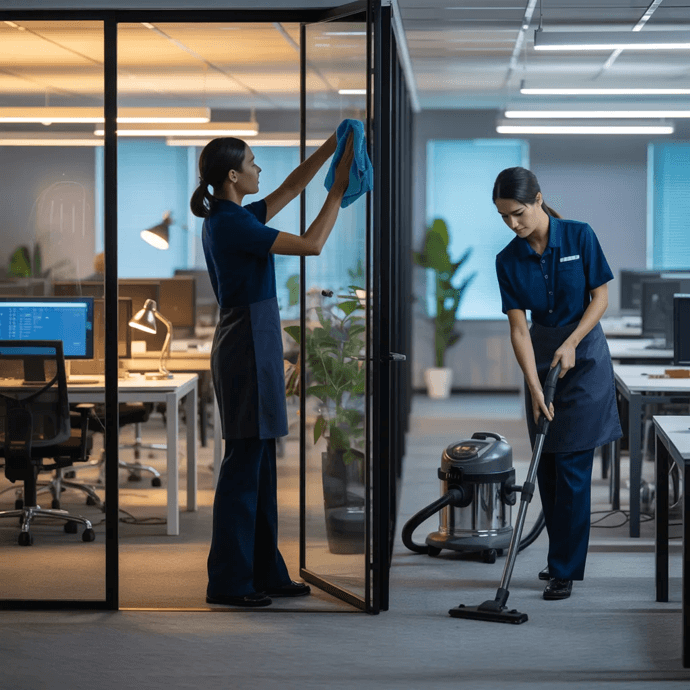


Introduction to Cleaning Companies H&S
Welcome to HSEDocs.com, your trusted source for health and safety guidance designed specifically for cleaning companies. In an industry where workers regularly work across various environments, cleaning products, and equipment, strong health and safety practices are crucial—not just for legal compliance, but also for keeping employees safe and maintaining a successful business.
With over 20 years of health and safety expertise, we recognise the unique challenges cleaning companies face. From managing risks associated with chemicals to ensuring safety while working at heights, health and safety covers many important areas. This guide will walk you through the key aspects of health and safety and how our documents and online training can help make staying compliant simpler.
The cleaning industry is vital but can also be hazardous. Workers often handle chemicals, operate machinery, and work in various locations, including offices and factories. Without proper safety measures in place, the risk of accidents, injuries, or illnesses increases significantly. By focusing on health and safety, you not only protect your employees but also enhance your company's reputation and financial stability.
Beyond ethical considerations, UK laws require employers to provide safe working environments. Failure to comply with these laws can result in substantial fines or legal issues. For cleaning companies, meeting these standards demonstrates a commitment to professionalism and employee care, which can help secure new contracts.
Health and safety practices are foundational to running responsible cleaning operations. They protect workers from potential dangers and ensure that client locations remain safe. Establishing good health and safety procedures is more than just a task—it’s a key responsibility that boosts efficiency and contributes to long-term success.
Cleaning businesses face unique challenges, including handling hazardous substances, using specialised tools, and managing risks such as slippery floors and sharp objects. This emphasises the need for companies to proactively identify and manage potential risks before they become problems.
A safe cleaning environment also relies on continuous training and awareness. Employees need to be informed about how to stay safe while performing their jobs, using materials, and operating tools. Companies must also keep up with changes in laws and industry best practices. By promoting ongoing education and safety awareness, cleaning businesses can create a safer, more productive workplace for everyone involved.
Why H&S Matters in Cleaning
Health and safety are critical in the cleaning industry due to the unique challenges of the job. Workers often handle strong cleaning chemicals that can cause skin irritation, respiratory issues, and other health concerns if not used properly. There’s also the use of heavy machinery and specialised tools, which means training and safety protocols are essential. Additionally, cleaning often occurs on wet or uneven surfaces, increasing the risk of slips, trips, and falls.
Ensuring safety is not just about protecting workers; it’s also crucial for maintaining the quality of the services provided to clients. If safety measures are ignored, it can lead to property damage or service interruptions, harming a company's reputation. For businesses, overlooking these safety precautions can lead to legal issues and financial penalties, including fines and claims for damages. Therefore, prioritising health and safety is not just the right thing to do; it’s also smart for business.
To tackle these challenges effectively, cleaning companies need to conduct careful risk assessments and implement preventive measures tailored to their specific work environments. Providing employees with the right protective gear and creating a culture where everyone takes responsibility for safety are also key to reducing the chances of accidents.
Key H&S Regulations for Cleaning Companies
Cleaning companies must follow established rules to keep their workers safe and healthy. One important rule is that they must provide thorough training for their employees. This training teaches workers how to safely handle cleaning products and use equipment properly. This way, they can avoid accidents related to chemical exposure or equipment misuse.
Another important part of the safety rules is the use of personal protective equipment (PPE). This includes items like gloves and masks, which help protect workers from harmful substances and prevent injuries. It’s also crucial that cleaning chemicals are clearly labelled and stored properly to prevent accidental mix-ups or hazardous reactions. Companies must ensure that these materials are stored in secure locations and that they include clear safety instructions.
Regular checks on safety practices are essential as well. Inspections should be conducted to ensure all equipment is safe for use and that workers are following safety rules. Keeping records of these inspections helps companies stay compliant and quickly fix any issues that arise. Employers should also stay up to date on health and safety law changes and apply them to their business.
Moreover, open communication channels enable employees to report any hazards or incidents they observe. This approach encourages everyone to take safety seriously and address potential risks before they escalate. Following these safety regulations not only protects workers but also helps create a more professional environment in the cleaning industry.
Benefits of Implementing Strong H&S Policies
Strong health and safety policies can significantly benefit cleaning companies. When a company takes workplace safety seriously, it helps to reduce accidents. This not only creates a safer environment for employees but also reduces disruptions, enabling the company to deliver services consistently and maintain client satisfaction.
Another important benefit is the cost savings that come from preventing accidents. When injuries are minimised, companies can avoid high medical bills, insurance claims, and potential legal costs. Following health and safety rules also helps companies avoid fines, allowing them to invest in growth and improvements rather than fixing problems that could have been avoided.
Strong safety measures can also help companies keep their employees. Workers are more likely to stay with a company that cares about their safety and well-being. This leads to lower turnover, meaning companies save on hiring and training new staff. A safe workplace builds trust and keeps employees engaged and motivated.
Additionally, strong safety practices can enhance a company's reputation in the competitive cleaning industry. Clients often choose service providers based on their professionalism and commitment to safety. Companies known for prioritising safety are more likely to attract new clients and keep existing ones. This trust can open doors to bigger projects and strengthen the company’s position in the market.
Finally, implementing robust health and safety policies encourages everyone in the company to take responsibility. When employees understand the importance of safety, they're more likely to take the initiative to spot and address risks. This teamwork fosters a proactive, resilient workforce that can adapt to challenges while maintaining high safety standards.
Common health and safety risks in the cleaning industry
Cleaning professionals face a variety of risks daily. Understanding these common hazards is the first step towards effective risk management. Here are some of the most prevalent:
- Chemical Exposure: Cleaning products often contain hazardous substances that can cause skin irritation, respiratory problems, or other serious health issues if not handled correctly.
- Slips, Trips, and Falls: Wet floors, trailing cables, and obstructions are frequent causes of accidents in cleaning environments.
- Manual Handling: Lifting heavy equipment, carrying supplies, and repetitive tasks can lead to musculoskeletal injuries.
- Working at Height: Cleaning high windows or elevated surfaces requires specific safety measures and training to prevent falls.
- Electrical Hazards: Using electrical equipment in wet environments or with damaged cords poses a significant risk of electric shock.
- Biological Hazards: Exposure to bacteria, viruses, and other pathogens, particularly during cleaning in healthcare facilities or waste areas.
- Equipment Operation: Operating machinery like floor polishers or vacuum cleaners requires proper training and maintenance to prevent injury.
Essential health and safety documents for cleaning companies
To handle potential risks properly, it’s important to have a solid set of health and safety documents. At HSEDocs.com, we offer easy-to-download documents specifically designed for cleaning companies. This way, you’ll have everything you need to meet safety requirements. Our wide selection covers all the essentials you might need!
- Risk Assessments: A risk assessment is an important first step in keeping your workplace safe. It involves identifying potential hazards, assessing the risks they pose, and deciding how to minimise them. For cleaning companies, this means evaluating the risks associated with specific tasks, locations, and cleaning products. Our specially designed risk assessments help you quickly and effectively identify potential risks and take preventive measures.
- Method Statements: Method statements explain how to carry out specific tasks safely, especially those that might be risky. These statements are crucial for more complex cleaning jobs, as they outline the steps to follow, specify the required equipment, and highlight safety measures. Our method statements are easy to understand and comply with safety standards, ensuring your team knows exactly how to do their work safely.
- COSHH Assessments: COSHH stands for Control of Substances Hazardous to Health. This is particularly important for cleaning companies that use chemicals. Our COSHH assessments provide a clear way to manage dangerous substances, from recognising risks to outlining safe handling, storage, and disposal. We help you meet legal requirements for chemical safety and protect your employees from potential harm.
- Health and Safety Policy: If you have five or more employees, you are legally required to have a written health and safety policy. This document outlines your approach to health and safety at your company. Our customizable policies are designed to be comprehensive, showing your commitment to safety and providing a clear plan for your cleaning operations.
- RAMS Packs: For cleaning companies working across different sites, clients often request a RAMS Pack (Risk Assessment Method Statement). We provide industry-specific RAMS packs that combine risk assessments and method statements into one easy-to-follow document. This saves you time and helps you stay prepared, reflecting your dedication to health and safety on every project.
Training: Empowering your cleaning workforce
Documentation is important, but effective training is equally crucial. It ensures your employees understand the risks they face and how to mitigate them. HSEDocs offers a wide range of online e-learning training courses specifically beneficial for cleaning companies, starting from just £4.99 per course:
Manual Handling Training: Essential for preventing injuries from lifting and moving equipment.
Working at Height Training: Critical for cleaners who use ladders or other equipment to reach elevated areas.
Fire Awareness Training: Ensures all staff know how to respond in a fire emergency.
Slips, Trips, and Falls Training: Focuses on hazard identification and prevention in the workplace.
Asbestos Awareness Training: Crucial if your cleaning teams might encounter asbestos-containing materials in older buildings.
Our online courses are designed to be engaging and accessible, allowing your team to learn at their own pace. They are expertly designed, content-based on UK law, ensuring relevance and compliance.
Frequently Asked Questions
What health and safety documents do cleaning companies typically need?
Cleaning companies typically need a range of documents, including generic and specific Risk Assessments, Method Statements for key tasks, COSHH Assessments for all hazardous substances used, and a comprehensive Health and Safety Policy. Depending on the contracts, industry-specific RAMS Packs may also be required. At HSEDocs.com, we provide all these essential documents in an instant-download format to simplify your compliance.
How can HSEDocs help with COSHH compliance?
Our expert-designed COSHH Assessments provide a structured approach to identifying, evaluating, and controlling risks from hazardous substances commonly used in cleaning. These documents detail safe handling, storage, and disposal procedures to ensure your cleaning company meets its legal obligations under the Control of Substances Hazardous to Health regulations. We also offer online COSHH Awareness Training courses to educate your workforce.
Are the e-learning courses suitable for all cleaning staff?
Yes, our e-learning courses are designed to be accessible and beneficial for all levels of cleaning staff, from new recruits to experienced supervisors. They cover a wide range of topics, including Manual Handling, Working at Height, and Slips, Trips, and Falls, all of which are highly relevant to the daily tasks performed by cleaning professionals. Courses start at just £4.99, making them an affordable way to enhance your team's safety knowledge.
What makes HSEDocs different from other health and safety providers?
HSEDocs stands out for our over 20 years of health and safety experience, expertly designed content based on UK laws, and a no-subscription, pay-as-you-go model. We offer instant-download documents and affordable e-learning courses, prioritising efficiency and comprehensive compliance. We are also ISO 9001 and ISO 27001 certified, ensuring high standards of quality and data security. Our commitment extends to social responsibility, offering discounted and free training for charities.
How often should health and safety documents be reviewed?
Health and safety for cleaning companies' documents, especially risk assessments and method statements, should be reviewed regularly, typically annually, or whenever there are significant changes to your operations, equipment, substances used, or legal requirements. It's also crucial to review them after any incident or near-miss to ensure they remain effective and up to date. HSEDocs provides current, compliant documents to help you stay ahead.