
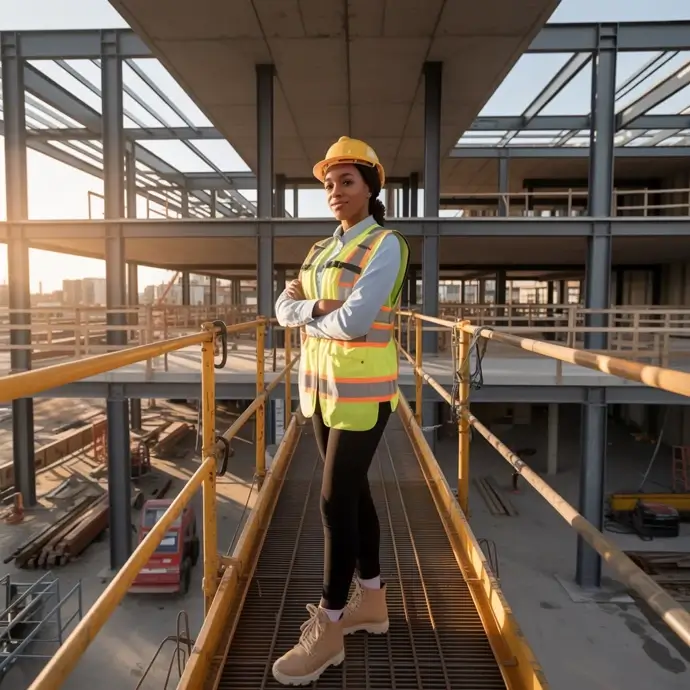


Comprehensive Guide to Working at Height Training
Training for working at heights is an important part of keeping workers safe in jobs that require tasks above ground. This training helps employees learn to recognise hazards, use safety gear properly, and perform their work safely. In the UK, fields such as construction, maintenance, and telecommunications often require workers to work at elevated heights, making this training not just useful but legally required.
The dangers of working at heights are serious, as falls are among the top causes of workplace injuries and deaths. According to the Health and Safety Executive (HSE), falls from height accounted for 40% of workplace fatalities in the UK in 2022/2023. These accidents can have tragic consequences for people and their families, and they also cost businesses significant money due to lost workdays, legal issues, and compensation claims. Proper training helps reduce these risks by teaching workers to spot potential dangers, take preventive measures, and respond appropriately in emergencies.
Even though the risks are significant, working at heights is sometimes unavoidable in many jobs. Whether it's installing solar panels on roofs, repairing power lines, or maintaining building exteriors, it's essential that employees be well-prepared to work in these situations. This is why training for working at heights is a vital part of ensuring workplace safety in the UK.
Legal Requirements in the UK
In the UK, the main rules for working at heights are set out in the Work at Height Regulations 2005. These rules were created to reduce the dangers of working at high altitudes and ensure that safety standards are the same across industries. They apply to any work done at a height, regardless of the type of job or location, and outline responsibilities for both employers and workers.
According to these regulations, employers must plan, supervise, and ensure that all high-risk work is performed by trained and capable personnel. This includes conducting risk assessments to identify potential dangers and taking the appropriate steps to reduce them. Employers also need to provide training to ensure workers know how to perform their jobs safely.
Here are some key points employers need to remember:
- Whenever possible, they should avoid working at heights. If that’s not possible, they must make sure the work is done safely.
- They need to use appropriate equipment, such as scaffolding, ladders, or harnesses, to prevent falls.
- They must train workers to ensure they know how to use safety gear and follow the right procedures.
For workers, these regulations stress the importance of following safety rules and using the provided equipment correctly. Employees are responsible for their own safety and the safety of those around them by following the training they receive.
Not complying with the Work at Height Regulations can lead to serious consequences, including fines, legal issues, and damage to a company’s reputation. For businesses, not complying can also lead to costly accidents that could have been avoided with proper training. By following these regulations and prioritising safety, companies can protect their workers and financial interests.
Key Components of Working at Height Training
Effective working-at-height training covers several critical components to equip workers with the skills and knowledge necessary to perform their tasks safely. These components include risk assessment, the use of safety equipment, emergency procedures, and adherence to best practices.
- Risk Assessment: When working at heights, the first and most important step is risk assessment. This means being able to spot anything that could possibly go wrong. Workers are trained to look for unstable surfaces, bad weather, or incorrect equipment use. They also learn how to think about how likely these risks are and how serious they could be if something went wrong. For example, in training, they might discuss whether a job can be done from the ground using tools that can reach up high, which would mean there's no need to work on a ladder or scaffold at all.
- Use of Safety Equipment: Using safety equipment correctly is essential for anyone working at heights. Workers learn how to choose the right tools for their jobs, like ladders, scaffolding, and safety harnesses with lanyards. The training also teaches them how to check and maintain this equipment to keep it in good condition. For instance, they learn to look for signs of wear, such as frayed straps on harnesses or loose bolts on scaffolding, to avoid accidents while working.
- Emergency Procedures: If something goes wrong, knowing how to act fast can really make a difference and even save lives. Training helps everyone learn what to do in emergencies, such as rescuing someone or giving first aid. For example, workers are taught how to safely lower a colleague who has fallen and is hanging in a harness, and to provide immediate assistance until medical professionals can take over.
- Best Practices: Employees receive training on safely working at heights, including tips on staying in the proper position, securely fastening tools and materials, and communicating clearly with their teammates. While the specifics can vary by job or industry, the goal is always the same: minimise risks and keep everyone safe.
Benefits of Working at Height Training
Employers have a legal responsibility to keep their employees safe, especially when working at heights. According to regulations, employers must assess risks, plan tasks carefully, and ensure that only trained and competent individuals carry out work at height. If employees do not receive proper training for these tasks, serious problems can arise, including:
- Employees getting seriously injured or even killed.
- The company and its leaders facing significant fines or legal trouble.
- Damage to the company's reputation.
- Increased insurance costs.
However, training for working at heights is not just about avoiding penalties; it’s about creating a strong safety culture within the workplace. This training helps employees recognise dangers, adhere to safe practices, and use equipment correctly. Taking a proactive approach to safety not only reduces accidents but also boosts workplace morale and productivity.
Reduced Accidents and Injuries
One of the main advantages of training for working at heights is that it helps to keep people safe and prevent accidents. By teaching workers to recognise hazards, use tools correctly, and follow safety rules, this training greatly reduces the risk of falls and other mishaps. Fewer accidents lead to less time lost from work, lower medical costs, and fewer compensation claims.
Compliance with Legal Requirements
At HSEDocs, we understand how crucial workplace safety is, especially when working at heights. Falls from heights are a major cause of serious injuries and even fatalities in workplaces. That’s why it’s essential to provide thorough training for employees who work at heights—not just to follow the rules, but to really protect your team and your company. Our e-learning programs are designed to equip your staff with the knowledge they need to reduce risks and comply with important health and safety regulations.
We take pride in offering quick, efficient, and affordable services. Our wide range of downloadable templates—such as risk assessments and method statements—support our training courses, helping you maintain a safe working environment. This page provides key information on working-at-height training, explains how HSEDocs can help you meet your safety requirements, and highlights the advantages of working with us to meet your business needs.
By providing working-at-height training, your organisation can meet the standards set by the Work at Height Regulations 2005 and other relevant laws. This proactive approach helps prevent potential fines, legal issues, and damage to your company's reputation due to non-compliance. Plus, showing that you care about employee safety can boost morale and foster a sense of responsibility within your team.
Improved Employee Confidence
Employees who receive proper training are more confident in their ability to perform tasks safely and effectively. This confidence leads to greater productivity and higher job satisfaction. Workers who feel safe and well-prepared are also more likely to remain with their employer, reducing turnover rates and the costs associated with recruiting and training new staff.
Cost Savings for Businesses
Training may cost money at the start, but it can save a lot in the long run. When businesses invest in training, they can prevent accidents, helping them avoid costs such as injury claims, legal fees, and replacing damaged tools. Moreover, employees who receive proper training tend to work more effectively and make fewer costly mistakes, which benefits the company’s finances.
For instance, a construction company that provides extensive training for workers on safely working at heights can greatly reduce the number of falls. This means projects can be finished on time and without overspending. Not only does this save money, but it also builds a strong reputation for the company as one that values safety and reliability.
Case Studies or Real-Life Examples
A construction company in Manchester took important steps to ensure its workers' safety by introducing mandatory training on working at heights. Before this training, the company had several minor accidents and one serious incident in which a worker fell from scaffolding. However, after the training was implemented, they saw a remarkable 75% drop in accidents over the next two years. The training taught workers how to properly set up scaffolding, wear safety harnesses, and recognise potential dangers, thereby greatly improving workplace safety.
In another instance, a telecommunications company in London averted a disaster thanks to the emergency procedures included in their height safety training. A maintenance worker found himself stuck on a high platform due to a mechanical issue. Fortunately, his colleagues, who had received the safety training, were able to perform a safe rescue using the skills and equipment they had learned. This incident emphasised the importance of being prepared for emergencies and showed the company's strong commitment to keeping its employees safe through ongoing training.
These stories illustrate how training for working at heights can help prevent accidents and protect lives, making it a crucial investment for any organisation.
What Our Training Covers
Our online working at height training course (Working at Height Certificate) is carefully created to cover all the important information needed for safety and compliance when working at heights. The course helps participants understand the risks involved and how to stay safe. Here are the main topics included:
- What 'working at height' means and why it matters legally.
- An overview of the Work at Height Regulations 2005.
- Common dangers and risks when working at height.
- How to assess risks specifically related to working at height.
- Safe practices and measures to prevent accidents.
- Various types of equipment used for accessing heights (like ladders, scaffolding, and elevated platforms) and how to use them safely.
- How to inspect and maintain this equipment.
- Emergency plans and rescue procedures.
- The roles and responsibilities of both employers and employees.
This course is ideal for anyone who works at heights, supervises others who do, or manages those who need a general understanding of the topic. It applies to many industries, such as construction, maintenance, and facilities management. The training is presented in a simple and clear way, making it easy for everyone to learn and understand.
Frequently Asked Questions
Who needs working at height training?
Anyone who performs tasks where there's a risk of falling and causing injury. This includes working on ladders, scaffolds, flat roofs, platforms, or even standing on a chair. Supervisors and managers who oversee such work also benefit greatly from our working at height training to ensure they can effectively manage risks and ensure compliance.
How often should training be refreshed?
While there is no specific legal requirement for refresher intervals, it is generally recommended that training is refreshed every 3 years, or sooner if there are changes in legislation, work methods, or equipment. Regular refreshers ensure knowledge remains current and effective.
Is the HSEDocst training accredited?
All our e-learning courses are developed in line with relevant UK health and safety legislation and best practices. HSEDocs itself is ISO 9001 accredited and ISO 27001 certified, reflecting our commitment to quality and secure service delivery. Our content is also approved by industry experts to ensure accuracy and relevance.
What proof of training do I receive after completing the course?
Upon successful completion of our online training, you will receive a downloadable, verifiable certificate. This certificate serves as official proof of your compliance and competence.
How long does the course take to complete?
The duration can vary depending on the individual's pace, but our working at height training course typically takes 1-2 hours to complete. The online format allows you to pause and resume the course as needed.
Can I get support if I have questions during my training?
Absolutely. Our dedicated support team is available to assist you with any questions about the course content or technical issues. You can reach us by phone at 0800 933 61 61 or by email. We pride ourselves on responding to emails typically within one hour during business hours.
What other related courses do HSEDocs offer?
Beyond working at height training, we offer a comprehensive suite of e-learning courses, including Asbestos Awareness, Slips, Trips & Falls, Manual Handling, and First Aid. Browse our full list of courses to find what you need.