


Where Is Asbestos Most Likely To Be Found?
In the United Kingdom, asbestos can still be found in many types of buildings, including homes, offices, and factories, especially those built or renovated before the year 2000. Asbestos was commonly used in construction from the 1930s to the 1990s because it is highly fire-resistant, retains heat well, and lasts a long time. However, it can be dangerous to health, leading to strict rules on its use and removal. Here's where asbestos is most likely to be found.
In Homes
- In Textured Coatings: Many homes used a textured coating called Artex on ceilings and walls before the mid-1980s, which can contain asbestos.
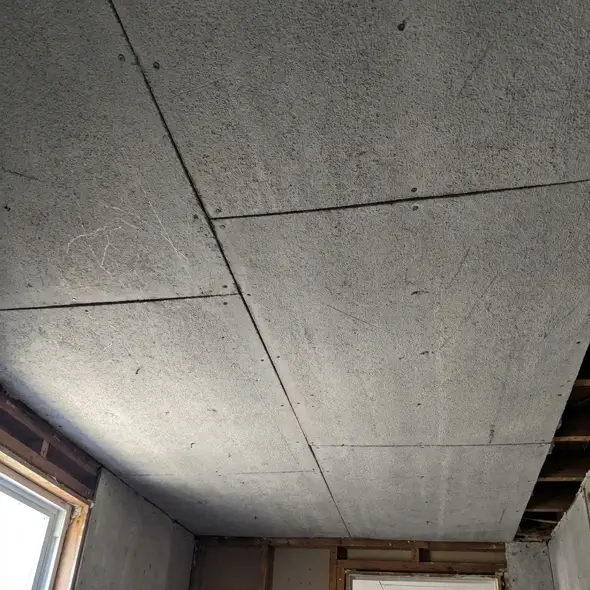
- In Walls and Ceilings: Asbestos Insulating Board (AIB) is another material often found in walls and ceiling tiles. While it provides good insulation and fire resistance, it can be dangerous if damaged.
- In Roofing: Asbestos was often used in roofing materials, especially on garage and shed roofs made from corrugated sheets.
- In Rainwater Goods: You might also find it in gutters, downpipes, and soffits (the undersides of roof overhangs).
- On Floors: Some older vinyl floor tiles (especially those that are 9 inches square) and the glue used to stick them down may contain asbestos. These tiles are often hidden under carpets in kitchens and hallways, and can release harmful fibres if broken.
- In Heating and Plumbing: Asbestos was used to insulate pipes in places like boiler cupboards and heating systems, posing risks in homes.
- In Lofts and Attics: Some types of loose insulation in ceilings (which might look like fluffy, light-coloured material) can also contain asbestos.
In Offices and Factories
- Sprayed Asbestos: This type of asbestos was sprayed on metal and concrete structures in buildings to help protect against fire.
- Ceiling Tiles: Many offices, schools, and hospitals use ceiling tiles that may contain asbestos, especially those installed before 1990.
- Boiler Rooms: You may find asbestos in insulation around pipes and boilers, which is important for keeping heat in these areas.
- Wall and Roof Cladding: Factories often used large corrugated sheets made with asbestos for walls and roofs to make them stronger.
High-Risk Areas and Materials
- Asbestos Insulating Board (AIB): AIB is used in fire-resistant areas, such as fire doors and walls, but if damaged, it can pose a health hazard.
- Cement Products: Some cement materials, including water tanks and roofing sheets, may contain asbestos, especially during repairs or demolition.
- Electrical Components: Asbestos may be present in older electrical components, making any work on these systems potentially dangerous.
Important Points to Remember
- Building Age: Buildings built or renovated after 1990 are less likely to contain asbestos, but those built before 1999 are more likely to do so.
- Material Condition: Asbestos is not harmful if it’s left alone, but if it gets damaged and releases fibres into the air, it can be very dangerous.
- Regional Risks: Some areas, such as London, the North West of England, and Yorkshire, have higher levels of asbestos due to their industrial history. It’s important to be aware of this in these regions.