
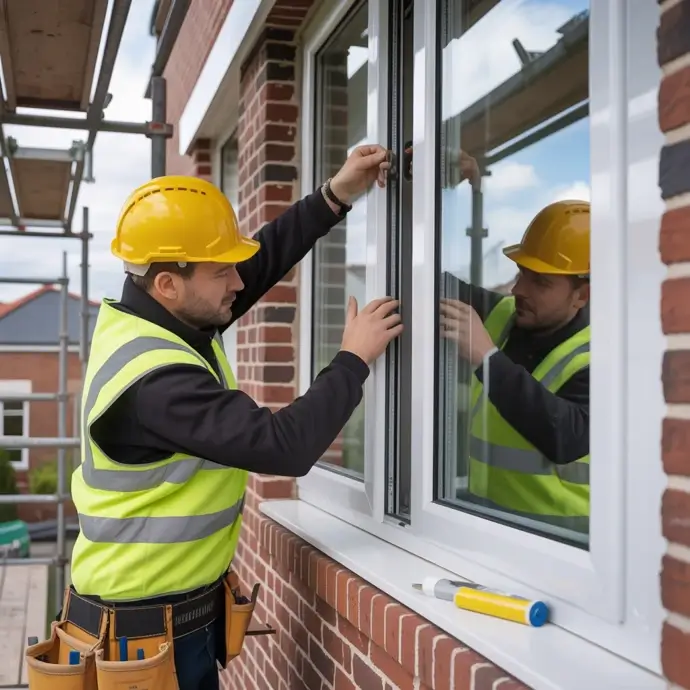


Essential Health and Safety Tips for UPVC Window Fitters
At HSEDocs, we know that keeping health and safety a top priority is vital for businesses, particularly in the UPVC fitting industry. With over 20 years of experience, we help companies comply with safety regulations to protect their workers and customers. If you work with UPVC windows, doors, or conservatories, it's essential to follow safety guidelines carefully.
Our services make it easy and affordable for businesses to uphold high safety standards. We provide helpful documents and online learning designed specifically for those in the UPVC fitting trade. As a certified company that meets ISO quality standards and is recognised by the government, we are dedicated to delivering reliable services.
Installing UPVC products involves certain risks, like working at heights, handling heavy materials, using power tools, and being around various materials. Not following the right safety practices can lead to accidents or legal problems for your business. By fostering a culture focused on safety, you protect your employees and improve your company's reputation.
Clients are increasingly seeking evidence of safety compliance, giving proactive businesses a competitive advantage. It's crucial to take appropriate precautions, from how you use tools to how you manage materials, to keep risks low.
In the UK, there are regulations that protect UPVC fitters, but staying alert is essential. Safe practices should become second nature. Understanding your work environment and being aware of potential dangers helps create more effective safety measures. Fitters should also take steps to avoid exposure to harmful materials—every action contributes to a safer workplace.
Common Hazards in UPVC Fitting and How to Mitigate Them
When working with UPVC fittings, it's important to be aware of the potential risks to keep everyone safe. Here are some common hazards and ways to minimise these risks:
- Working at Heights: Many UPVC fitting jobs require the use of ladders and scaffolding. This can lead to falls, so it's essential to plan carefully. Make sure all equipment is safe, regularly checked, and that workers are trained to use it safely. This includes knowing how to position ladders correctly and using safety gear to prevent falls.
- Lifting Heavy Items: Workers often have to lift heavy or awkward UPVC frames and glass, which can cause injuries if not done properly. It’s important to use the right lifting techniques, such as bending at the knees and keeping the load close to the body. Using tools like trolleys and hoists can also help reduce the risk. Training workers on safe lifting practices is crucial.
- Using Power Tools: Power tools like saws and drills can be dangerous if not used correctly. To avoid cuts and other injuries, workers should be trained to use these tools safely, including how to stop them in an emergency. Wearing safety gear, such as gloves, goggles, and ear protection, is also necessary to reduce injury risk.
- Handling Materials: The materials used in UPVC fittings, such as frames and adhesives, can be harmful. It's important to assess the safety of these materials to ensure they are stored and disposed of safely. Workers should have access to safety information about these substances and be trained to identify and handle them properly.
- Slips, Trips, and Falls: Hazards like debris on the ground, uneven surfaces, and wet weather can lead to slips and falls. Keeping work areas clean, regularly checking for hazards, and ensuring walkways are safe can help prevent accidents. Using non-slip mats and maintaining good drainage can also reduce these risks.
Our Risk Assessments and Method Statements are designed to address these safety concerns in UPVC fitting. We provide straightforward guidance to help organisations comply with health and safety regulations, ensuring a safer work environment for everyone
Common Health Risks in UPVC Installation
Working as a UPVC window fitter involves several health risks, especially during installation. One of the main concerns is physical strain, as fitters often need to lift heavy materials, work in awkward positions, and repeat the same movements. If fitters don’t use proper techniques or tools, this can lead to long-term issues such as back pain or problems with the wrists and hands.
Another significant risk comes from the tools and materials used. Fitters handle sharp equipment and window parts, which can cause cuts or more serious injuries if not used carefully. To keep safe, it’s important for fitters to follow safety rules and get training on how to use their tools properly. This can help prevent accidents.
There is also concern about exposure to harmful chemicals during installation. Fitters often work with adhesives, sealants, and cleaning products that can release toxic fumes. Breathing in these fumes for too long can irritate the lungs or cause skin reactions, such as rashes. To protect themselves, fitters should work in well-ventilated areas and wear appropriate protective gear, such as gloves, masks, and goggles.
Additionally, lifting and moving materials, such as glass panes and window frames, can lead to injuries, including sprains and fractures. To reduce these risks, fitters should practice safe lifting techniques, use tools such as hoists or trolleys to handle heavy items, and take breaks to avoid fatigue.
In summary, staying safe during UPVC window installation requires a proactive approach. This includes ongoing training, the use of protective equipment, and adherence to safe work practices to minimise health risks.
Personal Protective Equipment (PPE) for Fitters
Choosing and using the right personal protective equipment (PPE) is vital for staying safe while installing UPVC windows. Each type of PPE is designed to protect against specific hazards workers may face on the job.
For example, gloves are crucial because they protect hands from cuts, scrapes, and harmful substances. It’s important to pick gloves that fit the task—like those that can handle sharp items or chemicals.
Safety glasses are also very important. They protect your eyes from flying debris or accidental contact with harmful substances. If you're working in an area where things might fall or fly around, make sure your glasses meet safety standards.
Helmets are necessary to protect your head, especially if there’s a chance that tools or materials might drop from above. Always check that your helmet fits well and look for any signs of damage.
Footwear is another key part of staying safe at work. Steel-toed boots protect your feet from heavy objects and provide a good grip, especially when climbing ladders or walking on uneven ground. They should have soles that prevent slipping, particularly in wet or unstable conditions.
In some situations, you might also need hearing protection if you’re using loud machines. Masks or respirators can help prevent inhaling dangerous dust or fumes. It’s essential for workers to know how to use and properly care for their PPE.
Employers should ensure that all safety gear meets recognised standards and encourage workers to wear their PPE for every task. Safety is everyone’s responsibility!
Health and Safety Documents for UPVC Installers
One of the foundational elements of effective UPVC fitting H&S is having the right documentation in place. Our documents are instant downloads, professionally drafted, and fully compliant with UK laws. You can find a range of health and safety documents tailored specifically for UPVC window fitting.
- RAMs: We offer a specialised UPVC Fitters RAMS Pack (Risk Assessments, Method Statements, COSHH Assessments), which is a fantastic starting point for any business. Within this pack, you'll find:
- Risk Assessments: Identifying potential hazards in UPVC fittings and outlining measures to control them.
- Method Statements: Detailing safe working procedures for specific tasks, ensuring consistency and compliance.
- COSHH Assessments: Evaluating the risks from hazardous substances used in UPVC installation (e.g., adhesives, sealants, cleaning agents) and specifying safe handling, storage, and disposal.
We understand that budget is often a consideration. That's why we offer best offers on packages of documents and courses, providing even greater value for your investment in UPVC fitting H&S. Our no-subscription model means you only buy what you need, when you need it.
E-Learning Training Courses for UPVC Professionals
Knowledge is power, especially in health and safety. Our online e-learning training courses are designed to equip your team with the essential skills and awareness needed to work safely. Starting from just £4.99, our courses are affordable, accessible, and self-paced, allowing your staff to learn at their convenience.
Crucial courses for anyone involved in UPVC fitting H&S include:
- Manual Handling Training: Essential for preventing injuries when lifting and positioning heavy UPVC frames and glass units.
- Working at Height Training: Crucial for installers working on ladders, scaffolding, or other elevated platforms.
- Asbestos Awareness Training: Important when working in older properties where asbestos-containing materials might be present.
- Slips, Trips and Falls: Teaching fitters that a clean site is a safe site.