
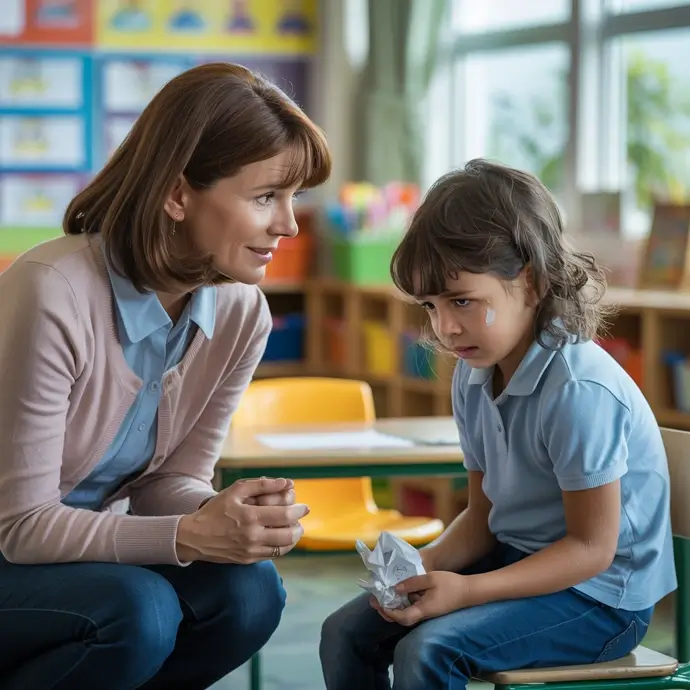

Safeguarding and Child Protection: HSEDocs Approach
At HSEDocs, we believe it's our main duty to protect the health and rights of everyone. This means making sure that all individuals are safe from harm, abuse, and neglect. Our goal is to help businesses create safer work environments. Whether you run a small business, manage a team, or work in a larger organisation, it’s important to know how to implement effective safety measures.
We provide valuable resources and training to help you navigate this important area. Our focus is on offering quick, efficient, and affordable services that help you meet legal requirements while also building a culture where safety is a top priority. A knowledgeable and prepared team is essential for preventing harm and ensuring safe spaces for everyone, including employees, customers, and anyone connected to your organisation.
Understanding Child Safeguarding Practices in the UK
In the United Kingdom, safeguarding is all about creating safe spaces for children so they can grow and develop without fear of harm. This means putting in place strong rules and clear steps to stop abuse, neglect, and exploitation. These guidelines help everyone who works with children understand their responsibilities.
An important part of safeguarding is recognising that every child has the right to feel safe. This involves being proactive in identifying and managing risks, ensuring that systems are in place to spot problems before they escalate. Policies are regularly checked and updated to stay relevant as societal challenges change.
It also focuses on supporting children's overall well-being, including their mental and emotional health. When children are in safe environments where they feel valued and supported, they can build confidence and resilience. This helps them grow up healthier and happier.
Adults who work with children receive training to recognise signs of danger, which enables them to take action if needed. Organisations are expected to routinely review their practices to ensure they meet legal standards and ethical responsibilities, addressing any weaknesses and making improvements where necessary.
Effective safeguarding relies on teamwork—professionals, families, and communities must collaborate to create strong support systems. Everyone involved needs to understand their roles and be active in fulfilling them, thereby strengthening the entire framework and better protecting children from harm.
On a broader scale, itincludes various measures to protect vulnerable people from harm, abuse, and neglect. It involves taking steps to prevent issues and having clear plans to respond when concerns arise, creating environments where everyone feels safe and respected.
This protection doesn't just apply to children but also extends to everyone in different settings like workplaces, schools, and community groups. For businesses, having strong policies is not just the right thing to do; it is also a legal requirement that helps protect both the organisation and its reputation.
At HSEDocs, we believe that understanding safeguarding is just the first step; real change happens when these ideas are put into practice. We provide detailed documents and online courses to support this important work.
Key Principles of Child Protection
Child protection in the United States revolves around key ideas aimed at keeping children safe and happy. One important part of this is finding the right balance between keeping information private and sharing important details that could help protect children from danger. It’s essential to maintain trust while ensuring risks are addressed.
Listening to children and valuing what they have to say is crucial. We need to create a safe space for them to share their worries without fear, as their thoughts can guide our decisions to keep them safe. When children feel heard, it boosts their confidence and strengthens the efforts to protect them.
Taking a proactive approach is essential for spotting risks and stepping in early. This means teachers, caregivers, healthcare providers, and others involved in a child's life need to be alert. Recognising changes in behaviour that might suggest a child is in trouble is key to preventing more serious situations.
Collaboration among professionals, such as teachers, social workers, and law enforcement, is vital to effectively address concerns about child safety. Families also play an important role by providing support and creating loving home environments.
At the heart of child protection are the ideas of fairness and equality. Every child deserves the same level of care and protection, no matter their background or situation. Each case should be handled in a way that respects the rights and needs of every child.
Roles and Responsibilities
Keeping children safe is a team effort that involves many people and organisations. Teachers, social workers, and healthcare providers often notice when something might be wrong and need to act quickly to help.
Parents and caregivers are the first line of defence. They create loving homes and talk openly with their children. This ongoing communication helps them notice if their child is feeling sad or acting differently, which could be a sign that something is wrong.
Schools also play an important role in keeping children safe. Teachers and staff are trained to look for signs of abuse or neglect and must report any concerns to the proper authorities. Schools often offer resources and support to ensure that children have access to help when they need it.
Law enforcement and child protection services investigate reports of abuse or neglect. They assess the situation, step in when necessary, and connect families with the resources they need to address any issues they may be facing.
For effective safeguarding, it's essential for professionals from different fields to work together, along with community organisations and local groups. Everyone must take their role seriously to prevent harm and create positive experiences for all children.
Identifying Signs of Abuse
Spotting signs of abuse in children is crucial and requires us to pay attention to both physical signs and changes in their behaviour. Physical signs can include frequent injuries, like bruises or burns that can’t be easily explained. On the other hand, if a child suddenly becomes more aggressive, scared, or withdraws from activities they used to enjoy, it might signal that something isn’t right.
Emotional abuse can sometimes show up as a child being overly shy, having trouble making friends, or being very critical of themselves. You might notice they seem anxious or try very hard to please adults, which can suggest an unhealthy dynamic in their environment. Neglect can be seen through signs such as poor hygiene, always being hungry, wearing inappropriate clothing for the weather, or delays in growth and development because they’re not getting enough care.
It’s also important to watch how children behave around certain people or in specific situations. If they seem scared, uncomfortable, or try to avoid someone, that could be a red flag. Younger kids might act younger than their age, while older kids might experience mood swings or have trouble focusing. Changes in how they talk, such as being hesitant to share details about their day or using language that seems too advanced or strange for their age, can also be warning signs.
If a child ever hints at or directly tells you about harm, it’s important to take it seriously and handle it carefully. Building open and supportive relationships with children can help them feel comfortable sharing their worries, allowing adults to step in quickly if there’s a risk of harm.
Preventive Measures and Education
Keeping children safe is all about prevention and reducing risks. It’s important for both kids and adults to learn how to spot unsafe situations and know how to react. Schools play a key role by teaching students about personal boundaries, online safety, and how to ask for help. This helps children understand their rights and encourages them to speak up if they feel uncomfortable.
Adults also need training to recognise signs of abuse or neglect and to respond properly when someone tells them about it. This preparation increases the chances of taking effective action when it’s needed.
Community organisations and advocacy groups work hard to raise awareness and encourage everyone to share responsibility for keeping kids safe. They run campaigns and workshops that help reduce the shame around discussing abuse and promote open conversations within families and communities.
Technology can also help with prevention. There are helplines, websites, and mobile apps that offer immediate support and advice, making it easier for people to reach out for help, especially if they feel nervous about going in person.
Education on safety needs to be ongoing and adaptable to new challenges, such as online dangers. By taking a proactive approach and staying informed, everyone who is part of a child’s life can help prioritise their safety and reduce risks.
The Importance of Effective Policies
Having strong safety guidelines is crucial for any responsible organisation. These guidelines show a commitment to doing the right thing and help create a safe environment for everyone. Without these clear policies, organisations can face serious risks, legal issues, and damage to their reputation, which could also leave people unprotected.
- Protect individuals: Procedures for identifying, reporting, and responding to concerns contribute directly to the safety and well-being of vulnerable people.
- Ensure legal compliance: Sector-specific legal obligations require robust safeguarding. Our resources help you meet these requirements and avoid penalties.
- Build trust and reputation: Strong safeguarding builds trust with employees, clients, and the public, enhancing your organisation’s reputation.
- Encouragea positive culture: Prioritising safeguarding cultivates a culture of care, respect, and awareness among your team.
We offer downloadable templates, risk assessments, and health and safety policies to help integrate safeguarding into daily operations.
Who Needs Training?
Training is relevant to nearly everyone in a professional role. While some positions have greater responsibility, general awareness benefits all employees. Critical roles requiring dedicated training include:
- Managers and team leaders
- HR professionals
- Anyone working directly with children or vulnerable adults
- Staff in educational settings
- Healthcare and social care providers
- Volunteers in charitable organisations
- Designated leads
Even staff not directly involved with vulnerable individuals benefit from training, which helps them recognise and report issues appropriately. Collective awareness strengthens overall protection.
Children and Vulnerable Adults
Protecting children and vulnerable adults is a major aspect of safeguarding, as these groups are more susceptible to abuse and neglect. Organisations working with them have significant legal and ethical responsibilities. Key areas include:
- Recognising indicators of abuse: Learning the signs of physical, emotional, sexual, and financial abuse, as well as neglect.
- Reporting procedures: Understanding how and when to report concerns to authorities, such as social services or the police.
- Safe recruitment: Conducting thorough background checks and vetting staff and volunteers for suitability.
- Creating safe environments: Developing policies and practices that minimise risk and promote openness and trust.
- Digital safeguarding: Addressing online risks, especially for children and young people.
Legal Frameworks and Compliance
In the UK, there are important laws that help keep people safe, especially children and vulnerable adults. The Children Act of 1989 and 2004 lays out the responsibilities for caring for and protecting children, while the Care Act of 2014 focuses on safeguarding adults. Different sectors, like education, also have specific guidelines to follow, such as the 'Keeping Children Safe in Education' document for schools.
Ensuring compliance with these laws isn’t just about avoiding fines; it’s about creating an environment where everyone’s rights are respected, and safety is the top priority. We offer helpful tools that make it easier for organisations to understand and follow these regulations. Our documents can be customised to fit each organisation’s needs, ensuring they meet all legal requirements.
As a trusted partner for the government and public services, we take our commitment to high standards seriously. We are registered with the Information Commissioner's Office and comply with GDPR regulations, which shows our dedication to protecting personal information—a crucial part of keeping people safe today.
HSEDocs: Your Partner in Excellence
Partnering with HSEDocs means working with a company deeply committed to health and safety. We deliver high-quality, practical solutions to help protect individuals and maintain regulatory compliance.
We offer more than documents and courses—we provide peace of mind. Our quality is assured by ISO 9001 accreditation, ensuring our management systems meet customer and regulatory standards. ISO 27001 certification demonstrates robust information security management, with all data stored securely and backed up off-site daily. Our website does not use cookies, and we respect your privacy.
Our content is developed by experts and frequently reviewed to reflect the latest legislation and best practices. Customers consistently praise our user-friendly platform and comprehensive resources, as evidenced by our Google Overall Rating of 4.8 based on 545 reviews.
We offer a suite of resources to support businesses:
- Downloadable Document Templates: Editable documents, including tailored method statements and specific policies, for integration into your framework.
- E-Learning Courses: Online courses covering essential health and safety topics.
- Cost-Effective Solutions: Affordable services, especially for charities and community projects.
- Expert Support: Contact our team by phone (0800 933 61 61; Mon-Sat: 9:00–17:30, Sun/bank holidays: 9:00–13:00) or email, with typical email responses within one hour.
Frequently Asked Questions
What does safeguarding mean for my business?
It involves implementing policies and practices to protect employees, customers, and service users from harm, abuse, and neglect. This includes risk assessments, training, and clear reporting procedures.
How can HSEDocs help me with training?
We offer online e-learning courses covering health and safety topics that contribute to a positive environment, educating staff to recognise and prevent harm.
Are HSEDocs' documents legally compliant?
Yes. Our documents meet legal obligations for health and safety. We are ISO 9001 accredited, and our documents are relevant, adaptable, and compliant with current regulations.
What is the difference between safeguarding and child protection?
Safeguarding refers to all measures to protect individuals and promote well-being. Child protection is a specific element focused on protecting children from abuse and neglect. All child protection is safeguarding, but safeguarding covers more than child protection.
How does HSEDocs ensure data security?
We are ISO 27001 certified, store data securely, perform daily off-site backups, and comply with GDPR, ensuring personal data is protected.
Does HSEDocs offer any support for charities?
Yes. We provide two free food safety training courses for charities, food banks, and community projects, and offer all e-learning courses to registered charities at £4.99 per course.
What should I do if I have a safeguarding concern?
For immediate concerns regarding HSEDocs products or services, contact us by email or phone (0800 933 61 61). For serious concerns involving harm to individuals, contact local social services or emergency services.