
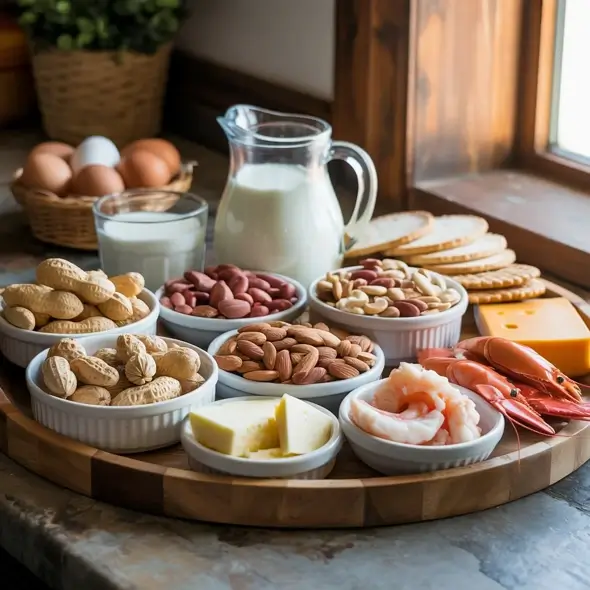


How Can We Prevent Cross-Contamination?
To keep your kitchen safe and free from harmful bacteria and cross-contamination, it’s important to handle and store foods and allergens properly. Here are some easy-to-follow tips for shopping, storing, preparing, and cleaning foodstuffs and areas. Key strategies include impeccable hygiene, using dedicated equipment for allergen-free foods, storing allergens below other foods in the fridge, and preparing safe meals first.
Simple Tips for Food Safety
- Shopping: When you’re grocery shopping, keep raw meat separate from fresh produce. Use plastic bags for raw items and place them in a separate section of your cart to avoid leaks. When packing your groceries at home, make sure meat packages don’t come into contact with fruits, vegetables, or ready-to-eat foods.
- Storage and Segregation: Store all items containing allergens in clearly labelled, sealed containers to minimise the risk of cross-contamination. It's essential to store allergen-safe foods on the top shelves of the pantry or refrigerator, while placing raw products and those containing allergens on the bottom shelves. This arrangement helps prevent any potential drips or spills that could contaminate safe items.
- Handwashing: Regular handwashing is a vital practice for maintaining kitchen safety. Wash hands thoroughly with soap and water after handling potential allergens, and be diligent about cleaning surfaces and aprons. Remember that hand sanitiser is not effective in removing allergens, so soap and water are essential for proper sanitation.
- Handling: Avoid washing raw chicken, meat, or seafood before cooking. Washing can splash bacteria everywhere, increasing the chance of contamination on your sink and counter.
- Cleaning: After you handle raw foods, be sure to wash your hands, surfaces, and utensils thoroughly. Use warm, soapy water to wash your hands for at least 20 seconds. Don’t forget to sanitise your cutting boards and countertops with a safe cleaning solution to remove any germs.
- Dedicated Equipment: To ensure the safety of individuals with allergies, it's crucial to use dedicated kitchen equipment for allergen-free foods. Invest in colour-coded cutting boards, knives, and toaster bags specifically designated for allergen-free preparation. Use the standard system of coloured cutting boards: Red (raw meat), Blue (raw fish), Yellow (cooked meat), Green (salad/fruit), Brown (root vegetables), White (dairy/bakery), and Purple (allergen-free).
- Preparation Order: When preparing meals, always prioritise food for individuals with allergies. Begin by preparing their dishes first, using clean equipment and surfaces, before handling any allergenic ingredients. This practice ensures that allergen-free dishes are not contaminated by other foods, providing a safer dining experience for those with dietary restrictions.
- Cooking Hazards: Be aware of cross-contamination hazards. Avoid using the same frying oil for allergy-safe foods if it has already been used to cook foods that contain allergens. This precaution is critical, as residual allergens in the oil can pose serious risks to those with allergies. Always use fresh, uncontaminated oil for safe cooking practices.
- Cleaning Up: If you spill any raw food, use disposable paper towels to clean it up instead of sponges or cloth towels. Sponges and cloths can harbour bacteria, so it’s better to throw away paper towels right after use to keep your surfaces clean.