Food Allergen Awareness Course for Cafés and Restaurants
Course last updated: June 2026
Course certificate valid for 3 years
Internationally accredited training
Course duration: 2 hrs
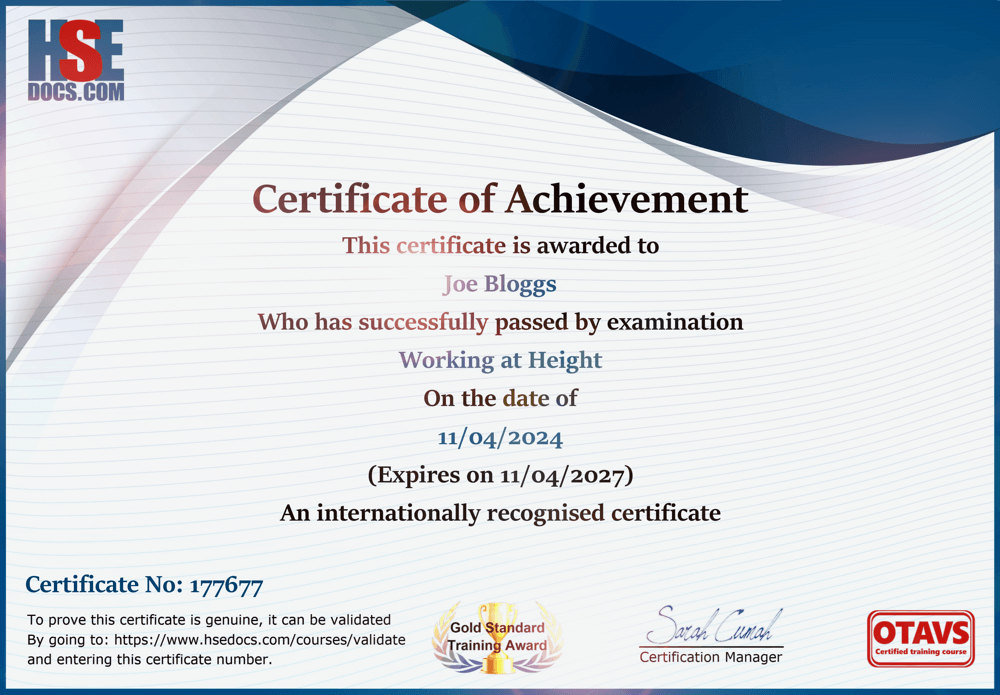
Download your allergen awareness certificate as soon as you’ve completed the online training.
This course has been assured and assessed for quality, content and delivery by OTAVS
Save more when you buy in bulk
Course format: Three video training modules, with a multiple-choice section at the end of each module.
Entry Requirements: Anyone can complete this Food Allergen Awareness Course for Cafés and Restaurants, whether they have previous experience or not.
This is a three-module food-allergen training course for food retailers, caterers and restaurant staff.
- Module 1 introduces the 14 regulated allergens: cereals containing gluten, crustaceans, eggs, fish, peanuts, soybeans, milk, nuts, celery, mustard, sesame, sulphur dioxide/sulphites, lupin and molluscs. It distinguishes food allergies, intolerances, coeliac disease and IgE-mediated or delayed immune reactions. It also explains the symptoms of anaphylaxis and the use of adrenaline auto-injectors.
- Module 2 covers food-information legislation and allergen labelling. It explains the requirements for prepacked, non-prepacked and prepacked-for-direct-sale foods; ingredient lists; highlighted allergens; distance selling; and risk-based precautionary warnings such as “may contain”.
- 3 discusses Natasha’s Law and practical allergen management. It covers staff training, HACCP records, supplier information, storage, dedicated equipment, production scheduling, recalls, cleaning, hand hygiene and preventing cross-contamination.
- Cross-contamination routes include contact between foods, contaminated hands, shared equipment or surfaces, shared cooking liquids, poor storage and mistakes during service or delivery.
The central message is that accurate information, trained staff, effective separation and cleaning, careful communication, and properly controlled procedures are essential, as even trace quantities can cause severe reactions.
A sample of some customers we're proud to train
Teams across the UK use HSEDocs for practical workplace training and recognised certificates.