
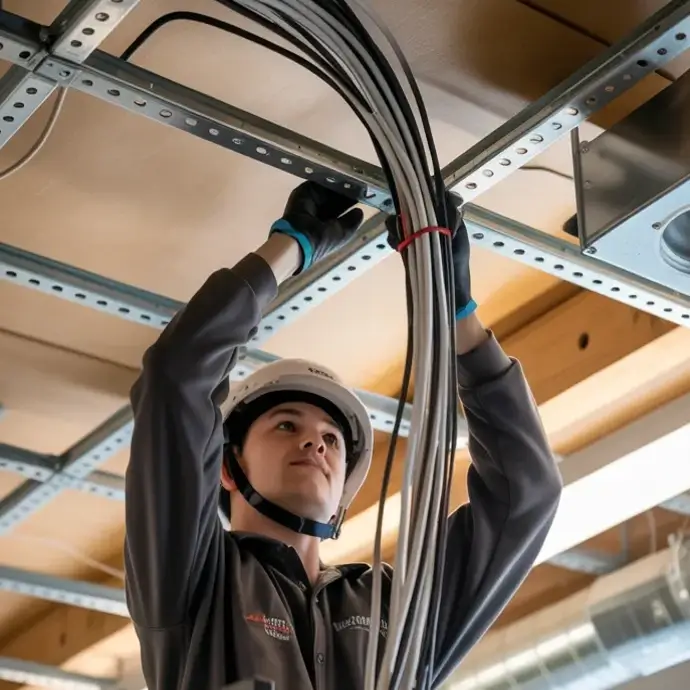


Guide to Health and Safety Documents for Electricians
Health and safety documents are essential for electricians in the UK, where work environments can be hazardous. Keeping everyone safe—workers, clients, and the public—is a top priority in this job. These documents help electricians comply with the law and play a key role in preventing accidents and injuries. They provide clear guidelines on the safety measures needed to prevent incidents such as accidents or property damage. By having the right health and safety documentation, electricians demonstrate professionalism and care about their work. Additionally, this documentation builds trust with clients, demonstrating the electrician's commitment to delivering safe, high-quality service. It's crucial for anyone working in electrical services to understand these health and safety documents.
Key Health and Safety Documents for Electricians
Electricians in the UK rely on several key health and safety documents to ensure they work safely and effectively. Here’s a simple overview of the most important documents and what they do:
- Risk Assessment: These documents help identify potential hazards electricians may face on the job, such as electric shock or falls. They assess the likelihood of these risks and outline steps to mitigate or eliminate them. By identifying risks upfront, electricians can create a safer environment for themselves and others.
- Method Statements: These provide clear instructions for performing specific tasks safely, based on the risks identified in the risk assessment. For example, if electricians are wiring a commercial building, the method statement would outline the tools required, the safety gear to be worn, and the sequence of steps to follow to minimise risk.
- COSHH Assessments: These assessments focus on hazardous substances used during electrical work, ensuring that appropriate safety measures are in place to handle them safely.
- Electrical Installation Certificates (EICs): These certificates confirm that completed electrical work meets safety regulations. They serve as both legal documents and proof to clients that the work has been completed safely and in accordance with standards.
- Maintenance Logs: These logs track inspections, tests, and repairs performed on electrical systems. They help ensure these systems remain secure over time and identify potential issues before they become serious problems.
- Health and Safety Policy Statement: If an electrician is working for a business, a health and safety policy statement outlines the company’s commitment to safety. This document explains how the organisation protects its workers and clients and is important for companies of all sizes, including solo electricians seeking to demonstrate their professionalism.
- Portable Appliance Testing (PAT) Records: These records document the safety tests conducted on portable electrical equipment. They’re especially important in places where such equipment is frequently used, such as offices or construction sites, to ensure it remains safe to use.
- Permit to Work Forms: For particularly risky tasks, such as working in tight spaces or on high-voltage systems, electricians may need to complete a permit-to-work form. This form confirms that all safety precautions are in place and that everyone on the job understands the risks and required safety measures.
Legal and Regulatory Requirements
For electricians in the UK, keeping health and safety records is not just a good idea; it's legally required. Various laws govern the proper use and maintenance of these documents, and failure to comply can lead to serious consequences.
- The Health and Safety at Work Act 1974 is the main law governing workplace safety in the UK. It holds employers and self-employed individuals, including electricians, responsible for making sure that they and others are safe while working. This means they need to assess potential risks and take necessary steps to prevent accidents. Ignoring this law can result in hefty fines, legal trouble, or even jail time.
- The Electricity at Work Regulations 1989 specifically target the electrical field. These regulations require that electrical systems—such as wiring and devices—are designed, installed, and maintained to keep everyone safe. Electricians must have proper documentation, such as certificates proving that installations have been thoroughly tested and are safe to use.
- Additionally, electricians working on construction sites must follow the Construction (Design and Management) Regulations 2015. These rules require the preparation of safety documents, including risk assessments and plans that outline how work should be performed safely. The goal of these regulations is to enhance safety on construction sites and make sure everyone understands their roles and responsibilities.
Benefits of Maintaining Proper Health and Safety Documentation
Keeping clear and detailed health and safety records comes with many benefits that go beyond just following the law. These records help create a safer working environment and can make businesses run more smoothly and earn more respect in the community.
- Better Safety: Having well-organised documentation helps identify potential hazards and outlines safe working practices. This not only protects workers but also ensures the safety of clients and the public.
- Legal Protection: If an accident occurs or there's a legal issue, proper health and safety records can serve as evidence that the electrician was following all applicable regulations. This can help protect against blame and reputational damage.
- Improved Reputation: Electricians who maintain thorough, accurate records are perceived as more professional and dedicated to quality work. This positive image can draw in more clients and strengthen existing relationships.
- Increased Client Trust: Clients are more likely to trust electricians who can provide important documents, such as risk assessments and certificates, that confirm their work is safe and up to standard.
- Insurance Compliance: Many insurance companies require electricians to have health and safety records to qualify for coverage. Maintaining good documentation helps ensure compliance with these requirements, which can lead to better insurance terms and prevent future claims issues.
Practical Tips for Managing Health and Safety Documents
Managing health and safety documents effectively is essential to maintaining a safe workplace and meeting legal requirements. Here are some simple tips to help make the process easier:
- Stay Organised: Create a clear system for storing your health and safety documents. Use labelled folders, either physical or digital, to group important documents such as risk assessments, method statements, and safety certificates. Organising these documents by project or client makes it easier to find them when needed.
- Use Digital Tools: Consider using digital tools and cloud storage to keep your documents safe and accessible from anywhere. Many of these tools can also send reminders for when documents need to be updated, helping you keep everything current.
- Regularly Update Documents: Make it a practice to regularly check and update your health and safety documents. It's important to reflect any changes in laws, work environments, or tasks. For example, if new hazards arise or work processes change, update your risk assessments accordingly.
- Train Your Team: If you're working with others, ensure that all team members understand the important health and safety documents. Provide guidance on how to access and use these documents correctly.
- Conduct Audits: Regularly review your health and safety documents to ensure compliance and up-to-date status. This helps you spot any missing information or documents that need to be refreshed.
- Seek Professional Help if Needed: If managing your documents feels overwhelming, don’t hesitate to reach out to a health and safety expert. They can provide valuable advice and ensure your documentation meets all legal and industry standards.