


Health and Safety Advice that Every Carpenter Should Know
Carpentry is a skilled trade that requires a good amount of knowledge and care. It also comes with various risks that need to be handled carefully. Carpenters often use power tools and work with heavy materials, which puts them at risk every day. It’s important to recognise these risks and use effective strategies to keep the work environment safe and productive.
Staying healthy and safe goes beyond simply wearing the right protective gear. It’s about creating a culture where everyone is alert and takes responsibility for safety. Each project may present its own challenges, so carpenters should always check their surroundings for potential hazards before starting work. This could mean securing any loose items, ensuring scaffolding is stable, or checking electrical equipment. Paying attention to these details can greatly lower the chances of accidents.
Being aware of workplace hazards and following safety rules is essential. These rules are designed to protect workers and improve their efficiency and the quality of their work. Carpenters should regularly update their knowledge about safety practices to stay informed.
Good communication is also key to maintaining safety on the job site. Effective teamwork requires clear discussions about risks and safety measures, so everyone on-site knows what is expected of them and how to respond in case of an emergency. Fostering a collaborative and responsible atmosphere can significantly reduce accidents and create a safer work environment for everyone involved.
At HSEDocs, we understand that carpentry and joinery come with unique health and safety challenges. They often use power tools, handle hazardous materials, lift heavy loads, and work at heights, all of which require strict safety protocols. This guide outlines key health and safety considerations and explains how our resources can help you meet legal requirements and keep your team safe.
With over 20 years of experience in health and safety, HSEDocs is dedicated to providing comprehensive, up-to-date solutions. As a certified organisation and approved supplier to the government and public sectors, we are committed to maintaining high health and safety standards.
Effectively identifying and mitigating risks underpins a robust Carpentry H&S system. Below are some prevalent hazards observed within the woodworking sector:
Wood Dust Exposure: One major health issue is the dust generated by wood. This dust, especially from hardwoods like oak and beech, can lead to serious breathing problems, such as asthma, and even some cancers if people are exposed for a long time. It’s important to ensure good ventilation in workspaces, use advanced dust-collection systems, and wear appropriate protective gear, such as masks. Additionally, our asbestos awareness course includes important tips on managing wood dust safety.
Machinery and Power Tool Safety: The use of various machines, such as saws, drills, and planers. If these tools aren’t used correctly or lack safety guards, they can cause serious injuries such as cuts, amputations, and other accidents. To avoid these dangers, proper training, regular tool maintenance, and adherence to safety guidelines are crucial. Our method statements provide detailed safety instructions.
Manual Handling and Repetitive Tasks: The work also often involves lifting heavy wood, handling awkward shapes, and repeating the same motions, which can lead to sore backs and other physical problems. It’s essential to follow safe lifting techniques, use tools that help with lifting, and take regular breaks. Our manual handling training offers specific strategies to help reduce the risk of injuries.
Working at Height: Many tasks require working off the ground, such as installing roof beams or setting up high fixtures. Falls from heights are a leading cause of serious injuries in construction. To stay safe, it’s important to follow strong safety practices, use equipment designed to prevent falls, and receive proper training. We offer a course on working at height that provides vital safety information.
Chemical and Hazardous Substance Exposure: In addition to wood, carpenters often work with glues, paints, varnishes, and other materials that can be harmful. These substances can cause skin irritation, breathing issues, or other health problems through inhalation or contact. Safe handling includes proper storage, adequate ventilation, protective gear, and thorough assessments of these chemicals.
Workplace Safety Practices
Keeping a workspace safe starts with good organisation. When tools, materials, and equipment are neatly arranged, it helps prevent accidents and makes it easier to work efficiently. It’s important to keep work surfaces clear of unnecessary items and to ensure that paths are not blocked so that everyone can move safely around the area. Actively identifying and addressing potential hazards is also crucial to a safe environment.
Taking care of tools is vital to staying safe while working. Regularly checking tools for damage, like loose parts or worn-out cables, is important to ensure they work properly and safely. If any tools are damaged, they should be fixed or replaced right away to avoid accidents. They should also ensure that power tools have working safety features, such as guards and emergency shut-off controls.
Proper storage of materials is equally important. Items such as wood, hardware, and adhesives should be stacked safely or placed on secure shelves to prevent them from falling. Hazardous materials, such as flammable substances, need to be stored in special, well-ventilated areas away from anything that could ignite them.
Good lighting is essential for a safe workspace. Bright areas help workers see clearly, allowing them to spot hazards and do their tasks more accurately. Additionally, it’s important to follow safe practices when moving heavy objects, such as using dollies or carts, to prevent injuries.
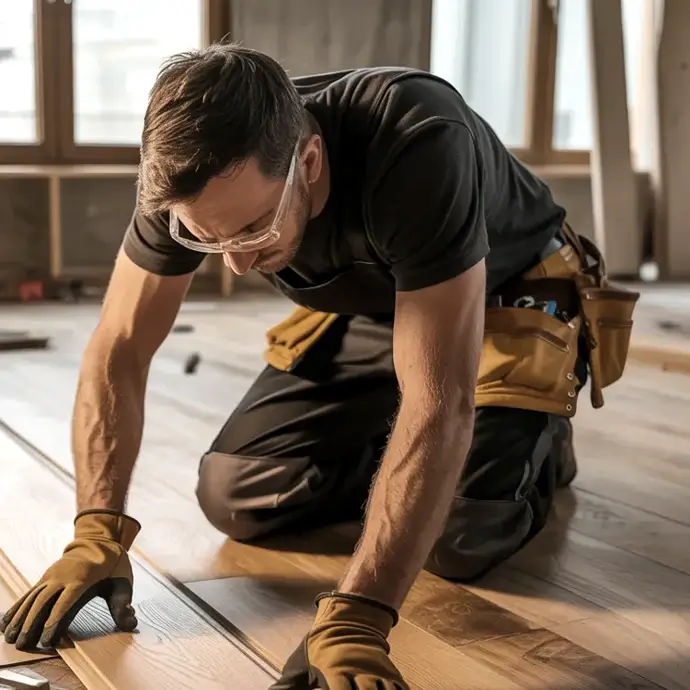
Personal Protective Equipment (PPE) plays a key role in protecting workers from workplace dangers. Different types of PPE are used to counter specific risks. For instance, safety goggles shield eyes from wood chips and dust, while ear protection helps keep hearing safe from loud noises. Dust masks or respirators are crucial for preventing inhalation of harmful particles generated during cutting or sanding.
Hard hats are important for preventing head injuries from falling objects, and steel-toed boots protect feet from heavy materials. Choosing the right gloves for the task can protect hands from sharp edges and chemicals while still allowing flexibility.
Using PPE correctly goes beyond just wearing it. Regularly checking each item for wear and tear is essential to ensure it’s still effective. For example, if goggles are cracked or dust masks have worn-out filters, they might no longer provide adequate protection. Cleaning PPE after use helps remove any debris that could reduce its effectiveness.
Training and Education
Safety training is essential for equipping workers with the knowledge and skills necessary to identify and mitigate workplace hazards effectively.
These training programs often address prevalent challenges on job sites, offering practical solutions that can be applied immediately. For instance, they might cover emergency response procedures, risk assessment techniques, and the proper use of personal protective equipment (PPE), ensuring that staff are well-prepared for various scenarios they may face.
Moreover, ongoing education is vital to keep pace with evolving tools, materials, and advancements in safety standards. Opportunities such as online courses, workshops, and industry certifications not only provide convenient ways to update skills but also help reinforce best practices. Employers play an instrumental role in fostering a culture of safety by encouraging their teams to participate in these educational opportunities and by integrating safety training into regular work schedules, thus normalising continuous learning.
Mentorship is an invaluable component of training as seasoned carpenters can impart firsthand knowledge and insights, sharing best practices that have proven effective in their experiences. This collaborative learning environment not only enhances the safety awareness of newer workers but also fosters a sense of community and support among team members, contributing to a culture of safety.
In addition, specialised training programs tailored to high-risk tasks—such as operating heavy machinery or performing work at significant heights—are crucial for preparing staff to handle more complex and potentially dangerous situations. These focused sessions emphasise detailed instruction on the safe operation of equipment and reinforce the importance of adhering strictly to safety protocols to minimise risks.
Ultimately, investing in comprehensive education ensures that every staff member possesses the skills, knowledge, and confidence needed to navigate their work environment safely. This not only enhances job performance but also significantly contributes to overall workplace well-being, leading to a safer, more productive work culture.
Essential H&S documentation
Effective H&S isn't just about identifying risks; it's also about documenting your procedures and assessments to demonstrate compliance and provide a clear framework for safety. HSEDocs specialises in providing readily available, instant-download health and safety documents tailored for the carpentry industry, including:
- Risk Assessments: A risk assessment is a crucial document for maintaining safety. It helps spot potential dangers, assess their risk, and outline steps to reduce them. For carpentry, this includes assessing factors such as tool use, dust generation, site conditions, and fall risk. Our risk assessments are designed by experts to cover common carpentry tasks and ensure compliance with UK safety laws.
- Method Statements: Method statements serve as clear guides for safely performing specific carpentry tasks. They outline the potential hazards and the necessary precautions. These statements are especially important for more complicated or risky jobs. Our RAMS packs (which stand for Risk Assessments and Method Statements) make the process easy, ensuring that your team is aware of and follows safe working practices on all projects. You can find these documents and more on our website.
- COSHH Assessments: If you're using glues, paints, solvents, or other chemicals, a COSHH assessment (Control of Substances Hazardous to Health) is required by law. This document explains the dangers of the substances being used, how workers might come into contact with them, the risks involved, and the measures needed to prevent or reduce exposure. We offer thorough COSHH assessments to help manage these chemical risks effectively.
- Health and Safety Policies: A strong health and safety policy is the foundation of good safety management. It shows your commitment to protecting your employees and outlines the responsibilities and plans for managing health and safety in your organisation. Our health and safety policies include ready-to-use documents that you can easily customise to address specific carpentry risks and practices.
Training for safety.
Our online courses are designed to be accessible, engaging, and compliant with UK health and safety legislation. They provide essential knowledge and practical skills for managing H&S effectively. Here are some key courses relevant to carpenters and joiners:
- Manual Handling Certificate: Essential for preventing injuries from lifting and moving materials.
- Working at Height Certificate: Crucial for anyone working on ladders, scaffolding, or elevated platforms.
- Asbestos Awareness Certificate: Important for carpenters working in older buildings where asbestos might be present.
- Online Fire Awareness Certificate: Vital due to the flammability of wood and woodworking dust.
- Basic First Aid Certificate: Preparing your team to respond to emergencies.
- Supervisors' Health & Safety Training: Equips managers with the knowledge to maintain a safe working environment. This course typically takes 2-3 hours to complete.
Benefits of HSEDocs e-learning
Our e-learning platform offers flexibility, allowing individuals to complete training at their own pace, anytime, anywhere. All courses are expertly designed, featuring clear modules, interactive elements, and end-of-course assessments to ensure comprehension. Upon successful completion, learners receive a printable certificate, providing verifiable proof of training. We also offer special discounted rates and two free food safety training courses for charities, food banks, and community projects, reflecting our dedication to social responsibility.
Frequently asked questions
What are the main health and safety risks?
The main health and safety risks in carpentry include exposure to wood dust, injuries from power tools and machinery, manual handling strains, falls from height, and exposure to hazardous chemicals (e.g., glues, paints). Proper H&S management addresses all these areas.
Do carpenters need specific H&S training?
Yes, carpenters absolutely need specific H&S training. This should cover manual handling, working at height, machinery safety, COSHH awareness, and general construction site safety. HSEDocs offers a range of online courses, such as Manual Handling and Working at Height.
What H&S documents are essential for a business?
Essential H&S documents for a business include risk assessments, method statements (RAMs), COSHH assessments for hazardous substances, and a comprehensive health and safety policy. HSEDocs provides instant-download templates for all these to simplify your H&S compliance.
How can I ensure my employees are up-to-date?
To ensure employees are up-to-date, provide regular refresher training, communicate changes in regulations or work procedures, and maintain accurate training records. Our online e-learning courses are a flexible way to ensure continuous professional development in H&S.
What is a RAMs pack?
A RAMs pack stands for Risk Assessment and Method Statement pack. It is a document that details the identified hazards of a specific task (Risk Assessment) and outlines the safe system of work to control those risks (Method Statement). These are crucial for demonstrating due diligence in H&S.