
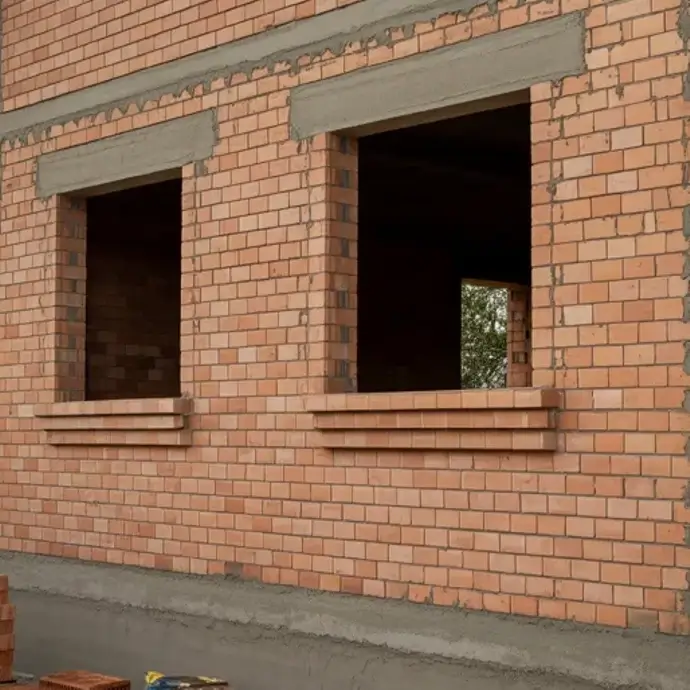


Why RAMs Are Essential for Bricklayers
At HSEDocs, we understand how important health and safety are in bricklaying. Our Bricklaying RAMs—short for Risk Assessments and Method Statements—are not just paperwork to meet legal requirements; they are crucial tools that help keep your team safe, improve how efficiently you work on projects, and maintain a good reputation for your business. With over twenty years of experience in health and safety, we’ve seen many projects thrive thanks to well-prepared Bricklaying RAMs.
Our goal is to make it easy for you to follow health and safety rules. We provide ready-to-download documents that are designed specifically for people in construction, including detailed Bricklaying RAMs. Each document meets UK laws and is updated regularly to reflect any new regulations. When you choose HSEDocs, you're partnering with a reliable source that supplies to both the government and the public sector, committed to helping you create a safer workplace without unnecessary complications or ongoing fees.
Bricklaying RAMs are detailed documents that identify potential hazards when working with bricks and outline steps to reduce them. While RAMs used to refer only to Risk Assessments and Method Statements, today the term includes a broader range of documents needed for complete safety planning.
For every bricklaying job, having effective RAMs is crucial. Whether you’re building a small garden wall or a large commercial structure, there are significant risks, such as working at heights, lifting heavy materials, dealing with dust, and operating machinery. So, RAMs are vital in the construction industry, as safety is paramount. They help teams identify risks on the job site and outline how to manage those risks, creating a safer work environment. For bricklayers, following a clear plan lowers the chances of accidents and helps projects run more smoothly.
Risk Assessments
A thorough risk assessment is crucial for ensuring safety on bricklaying projects. This process helps identify potential dangers, assess their likelihood of occurring, and determine their potential impact. By doing this, we can take proactive steps to reduce risks associated with tasks such as working at heights, lifting heavy materials, or using various tools and equipment.
Different factors on the job site, such as uneven ground, poor visibility, or bad weather, also need to be taken into account. These considerations help bricklayers adjust their methods and choose the right tools for the job. It's also important to use personal protective equipment (PPE) to keep workers safe during more dangerous tasks.
An effective risk assessment considers both physical hazards and organisational challenges, such as scheduling issues or limited access to materials. By following a systematic approach, we can create a safer and more efficient work environment.
Our risk assessments examine the whole process, from when materials are delivered to when the job is finished. It highlights specific risks, such as injuries from lifting or the danger of falling while working on scaffolding. A detailed assessment includes:
- Identifying potential hazards (for example, lifting heavy bricks)
- Understanding who might be harmed and how (such as bricklayers or labourers who could suffer back strains)
- Reviewing current safety measures (like using lifting aids or providing training)
- Determining additional steps that need to be taken (such as developing a manual handling plan)
- Assigning responsibility and setting a timeline for completing the necessary actions
Method Statements
Method statements are important documents that explain how to carry out bricklaying tasks safely and effectively. They provide clear steps for workers to follow, helping everyone understand what they need to do and keeping things organised. These statements are especially crucial for projects that involve complex or risky activities because they help predict potential problems and suggest the safest ways to address them.
A good method statement is carefully created by considering what the job involves, any environmental factors, and the tools and materials needed. It lays out the work order and takes into account specific conditions on the job site. This includes details on handling materials, using equipment, and applying the best techniques while strictly following safety guidelines.
These documents also outline safety measures to reduce risks at every stage of the job. For instance, they explain how to set up scaffolding safely for work at heights and what protective gear to wear when dealing with hazardous materials. By clearly outlining these safety precautions, method statements ensure that everyone involved knows how to stay safe throughout the project.
Effective method statements are developed with experienced professionals and tailored to the unique needs of each project. This teamwork helps cover all aspects of the task, minimising confusion. When method statements are closely followed, they serve as reliable guides for maintaining safety, quality, and productivity in bricklaying.
In simple terms, method statements provide step-by-step instructions for safely and efficiently completing bricklaying work. They cover important aspects such as:
- Preparing the worksite and ensuring proper access
- Storing materials correctly
- Setting up foundations
- Mixing mortar properly
- Using different bricklaying techniques
- Using scaffolds safely
- Keeping the site clean and well-maintained
- Responding to emergencies
COSHH assessments for bricklaying materials
Bricklaying involves using various materials that can be harmful to health, such as cement, finishing compounds, and cleaning products. To keep workers safe, we conduct COSHH Assessments (Control of Substances Hazardous to Health). These assessments help us identify these materials, understand the risks they pose, and put in place safety measures.
For instance, breathing in cement dust over time can lead to respiratory problems, and touching wet cement can result in skin burns. A COSHH assessment is an important health and safety document required by law. These regulations apply to all hazardous substances that might be used or produced at work.
Employers have a legal duty to protect their employees and others from potential harm. The COSHH regulations are designed specifically to manage the risks associated with hazardous substances.
A COSHH assessment is a detailed evaluation of the use of hazardous materials. During this process, we identify what makes the substance dangerous, how workers may be exposed to it, and the safety measures that should be taken.
When we conduct a COSHH assessment for cement, we consider the following:
- What makes cement harmful
- How workers might come into contact with it (like breathing it in or getting it on their skin)
- Recommended safety measures (such as wearing masks, gloves, and protective creams)
- What to do in case of spills or accidental contact
- Monitoring health to ensure everyone stays safe.
Legal Requirements and Compliance
When it comes to construction work, there are important safety rules in place to protect everyone involved. In bricklaying, these rules focus on identifying potential hazards and taking steps to manage them. It's essential for teams to have clear and up-to-date safety plans, known as RAMs (Risk Assessment Methods), that everyone can access. Regular checks help ensure these plans comply with safety regulations, as failing to follow them can result in fines or delays in work.
Bricklayers are also required to receive proper training so they can recognise hazards and follow the appropriate safety practices. Supervisors play a key role in ensuring everyone follows these safety guidelines and maintains a consistent approach to safety.
Additionally, these regulations encourage teamwork among contractors and subcontractors to effectively manage risks. By following these safety rules, construction projects can run smoothly and remain safe from start to finish.
Training courses to complement your Bricklaying RAMs
Beyond documentation, effective health and safety also hinges on well-trained personnel. We offer a range of online e-learning training courses that complement our Bricklaying RAMs and enhance overall site safety. Our courses start from just £4.99, making essential training accessible and affordable.
- Working at height training: Working at height is a significant risk in bricklaying. Our Working at Height Certificate course provides essential knowledge and best practices for working safely on scaffolds, ladders, and other elevated platforms. This course is vital for anyone involved in constructing walls above ground level.
- Manual handling training: Given the nature of bricklaying, proper manual handling techniques are crucial to prevent injuries. Our Manual Handling Certificate course educates workers on safe lifting, carrying, and placing of heavy materials, directly reducing the risk of strains and sprains.
- Asbestos awareness training: Especially relevant for renovation or demolition projects, our Asbestos Awareness Certificate helps workers identify and deal with suspected asbestos-containing materials safely, preventing exposure to this dangerous substance.
Investing in training alongside robust Bricklaying RAMs creates a powerful two-pronged approach to safety, ensuring both documented procedures and a competent workforce. All our courses are designed for easy comprehension and are accessible online, allowing your team to learn at their own pace.
Frequently Asked Questions
What does the term Bricklaying RAMs actually mean?
Bricklaying RAMs stands for Bricklaying Risk Assessments and Method Statements. These documents identify potential hazards in bricklaying tasks, assess their risks, and detail the safe methods and control measures required to carry out the work safely and efficiently. While originally just Risk Assessments and Method Statements, the term RAMS now often refers to a broader set of health and safety documents, including COSHH and manual handling assessments, tailored to specific tasks.
How quickly can I get RAMs from HSEDocs?
All our health and safety documents, including Bricklaying RAMs, are available for instant download immediately after purchase. This means you can get the documents you need without any delay, allowing you to focus on your project without waiting for paperwork.
Are your RAMs compliant with UK regulations?
Yes, absolutely. Our health and safety documents are expertly designed by specialists with over twenty years of experience in the field and are continually updated to ensure full compliance with current UK health and safety laws and regulations. We are also an approved supplier to central government and the public sector, reflecting our commitment to high standards.
Do I need separate RAMs for each bricklaying project?
While the core Bricklaying RAMs templates from HSEDocs provide a solid foundation, they should always be reviewed and, if necessary, adapted for each specific project. Every site has unique characteristics, hazards, and specific requirements that need to be addressed to ensure the RAMs are truly fit for purpose.
Are your training courses expensive?
No, our online e-learning training courses are designed to be affordable, starting from just £4.99. This makes essential training accessible for businesses of all sizes. We also offer special discounted rates and free courses for charities, food banks, and community projects, reflecting our dedication to social responsibility.
What other health and safety documents do you offer for construction?
Beyond Bricklaying RAMs, we offer a comprehensive range of Health and Safety Documents, including other industry-specific RAMS Packs for various trades, general Risk Assessments, Method Statements, COSHH Assessments, and Company Policies. We aim to be your one-stop solution for all your health and safety documentation needs.