
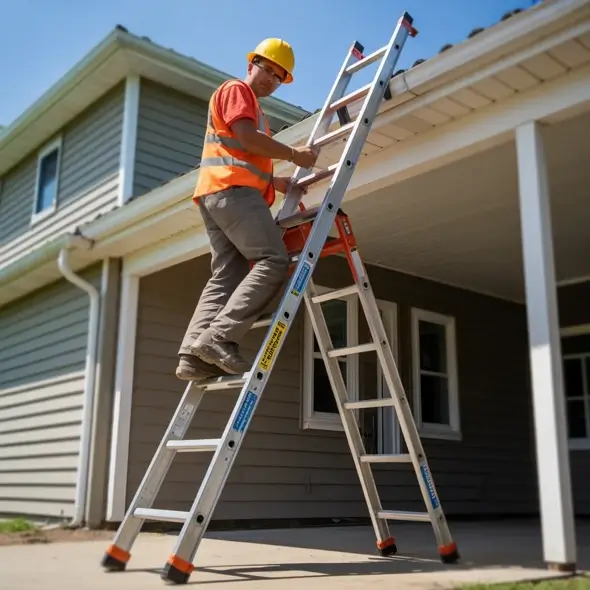


When Do The Work At Height Regulations Apply?
The Work at Height Regulations 2005 are important laws designed to protect workers who may be at risk of falling while at work. These rules apply to everyone involved in work where a fall could result in injury, including employers, self-employed individuals, and supervisors responsible for job site safety.
Key Points Include:
- No Minimum Height Requirement: One of the most important things to know is that these regulations apply regardless of how high you are. If there's a chance that someone could fall and get hurt, the rules must be followed, whether the work is done on a ladder, a rooftop, or anywhere else.
- Types of Work Covered: The regulations cover a wide range of work activities. This includes using ladders, setting up scaffolding, working on roofs, and working near the edges of openings, such as at excavation sites. Essentially, if there's a risk of falling, the regulations apply.
- Who Needs to Follow These Rules: These rules apply to a range of people. Employers, self-employed individuals, and anyone responsible for overseeing work, such as site managers and contractors, are required to ensure safety when working at heights.
- Exemptions: Some activities are not covered by these regulations. For example, work done on ships or certain recreational activities, like climbing or caving, have separate rules that suit their specific risks.
Key Responsibilities Under the Regulations:
- Avoid Working at Height: The first rule is to avoid working at height unless necessary. Employers and supervisors should look for safer ways to get work done from the ground level instead.
- Prevent Falls: If working at height is unavoidable, take measures to prevent falls. This can include using safety features such as guardrails, safety nets, or secure platforms to help keep people safe.
- Mitigation Measures: If falls can’t be completely avoided, it's vital to use high-quality safety equipment that reduces how far someone could fall and the impact of that fall. This might mean using harnesses or protective materials to absorb shock.
- Planning and Management: Proper planning is key. All tasks that involve heights should be well thought out and overseen by someone who knows what they’re doing. This includes assessing risks to identify and address possible dangers before starting work.
- Maintaining Equipment: Regular checks and maintenance of safety equipment are also very important. Keeping equipment in good condition helps prevent accidents caused by equipment failure.
Important Note:
It’s essential to remember that these regulations do not cover incidents where someone trips or slips at the same level. They focus solely on falls from one height to a lower level, highlighting the unique dangers of working at height.
In summary, following the Work at Height Regulations 2005 is critical for keeping everyone safe when there’s a risk of falling. These rules emphasise the importance of careful planning, prevention, and ongoing attention to workplace safety.