
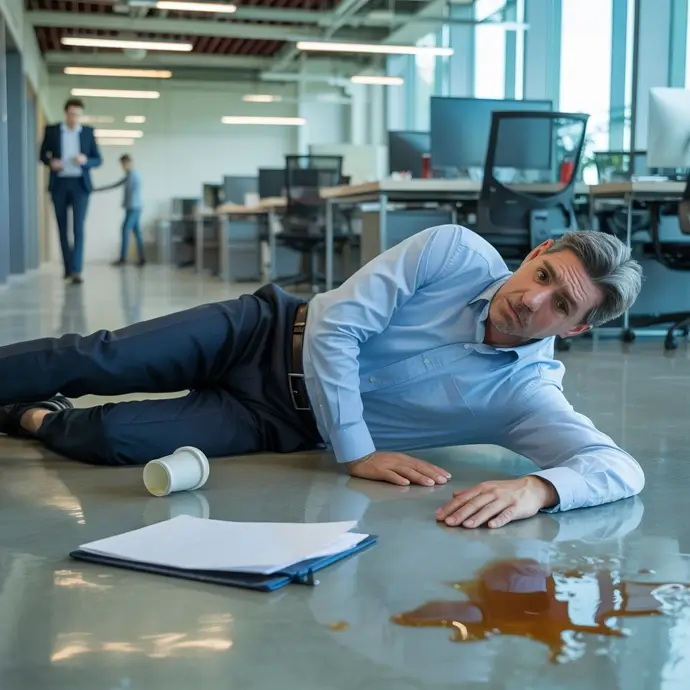


Preventing Slips, Trips, and Falls in the Workplace: A Comprehensive Guide
At HSEDocs, we understand how important it is to keep everyone safe at work. Slips, trips, and falls are not just little accidents—they are one of the main reasons people get hurt on the job. These incidents can have a serious impact on employee health, a company's performance, and its financial success. Our aim is to provide you with the necessary information and tools to create a safer workplace, helping reduce the likelihood of these accidents.
This guide will examine the common causes of slips, trips, and falls and practical ways to prevent them. We also want to show you how HSEDocs can support your efforts to keep your workplace free from hazards. We believe that preventing these kinds of accidents is not just about following the rules; it's about building a safety culture that benefits everyone.
Simple Steps to Avoid Slips, Trips, and Falls
Slips, trips, and falls are common safety hazards in many workplaces, affecting employees across all kinds of jobs. These accidents can lead to injuries ranging from minor bumps and bruises to more serious problems, which can harm both workers' health and the company's smooth running. To prevent these incidents, it's important to carefully examine the environment and people's actions at work.
Many workplaces have hidden dangers, such as wet floors, cluttered walkways, or broken tiles, which can make them unsafe. Additionally, personal choices—such as wearing the wrong shoes or being distracted—can increase the risk of these accidents. Understanding these risks is key to reducing slips, trips, and falls.
When companies prioritise safety, they often see happier employees and fewer disruptions to their daily activities. Creating a culture that values safety helps build a strong foundation for preventing accidents and keeping everyone safe at work.
Common Causes of Slips, Trips, and Falls
Many accidents happen because of a mix of unsafe surroundings and our own actions. Common dangers include wet or slippery floors, loose rugs, and uneven surfaces. If spills aren’t cleaned up or if the weather causes ice and rain, the chances of slipping, especially at doorways, increase. Poor lighting in hallways, stairways, or outdoor areas can make it hard to see hazards, leading to accidents.
Our behaviour also has a big impact on safety. For example, wearing shoes without good grip, especially on wet floors, can cause slips. Being distracted, like looking at your phone while walking, can lead you to miss hazards. When we’re tired, we might not react quickly or notice things around us, which makes accidents more likely. Carrying things that block our view or not sticking to designated walkways can also increase the risk of tripping.
Messy or cluttered workspaces can add to the danger, too. Objects left in the way, cables on the floor, and improperly stored equipment can cause trips. Areas that are being renovated or repaired often have unexpected hazards, such as exposed wires or uneven surfaces. It’s important to quickly spot and fix these risks to keep everyone safe.
Preventative Measures
Preventing accidents starts with recognising potential dangers and taking steps to eliminate or reduce them. Regular checks for hazards like wet floors, loose objects, or uneven surfaces are essential. Quickly addressing these problems—like cleaning up spills, fixing flooring, or marking dangerous areas—helps keep everyone safe. Additionally, good maintenance, such as ensuring adequate lighting throughout, can help reduce risks.
Employers should provide the right tools and resources to support safety. This includes placing non-slip mats in areas that might get wet, such as entryways or near sinks, and keeping walkways free of clutter. In areas where liquids might spill or where outdoor conditions could be hazardous, having absorbent materials or traction-enhancing treatments can significantly reduce risk.
Clear signs are also important for preventing accidents. Well-placed warnings inform employees and visitors about slippery spots, uneven steps, or other hazards. Any temporary dangers, such as freshly mopped floors or icy sidewalks, should be clearly marked right away.
Personal safety habits matter too. Employees should be encouraged to wear appropriate, slip-resistant shoes for their work environment. In some jobs, extra protective gear might also be needed. Training staff to carry items without blocking their view or upsetting their balance can help reduce the risk of accidents.
Encouraging everyone to avoid rushing can help prevent many mishaps. Keeping the workplace tidy and organised lowers the risk of trips over misplaced items or cords. By making safety part of everyday routines, we can create a safer environment for everyone.
Training Programmes for Employees
Training helps employees learn how to spot and prevent risks that can lead to slips, trips, and falls. It’s important that this training fits the specific needs of each workplace so that employees get practical advice they can use in their daily jobs.
Hands-on demonstrations are especially helpful. They allow employees to practice safe behaviours in a safe environment, such as walking on slippery surfaces or identifying hazards that could cause them to trip. These interactive activities make the training more engaging and help people remember what they learned.
Using visual aids such as videos and diagrams can also help explain hazards and how to avoid them. Providing written guidelines or checklists gives employees something to refer back to after the training.
Encouraging open discussions during training sessions is important, too. It allows employees to share their experiences and express any concerns they might have, fostering a team effort toward safety. Trainers should listen to these discussions and adjust the training as needed.
Regular refresher courses help keep safety at the forefront of everyone's mind and ensure employees stay up to date on best practices. These updates reinforce good habits and help reduce accidents over time.
Additionally, training should emphasise that everyone is responsible for their own safety. This includes being aware of potential hazards, reporting any unsafe situations, and following the workplace rules. When employees are actively involved in safety measures, they build habits that improve awareness and reduce risk.
Employer Responsibilities
Employers play a key role in ensuring a safe workplace, especially in preventing slips, trips, and falls. One of the first steps is to regularly check the workplace for hazards, which could cause accidents. Once these risks are spotted, quick actions—like clearing walkways, fixing damaged floors, and improving lighting—can help significantly reduce accidents.
This includes spill-cleanup supplies, non-slip mats, and proper storage solutions to keep pathways clear. Making sure these items are always available encourages immediate action when a hazard arises.
Staying up to date on safety rules and regulations is also essential. Employers should keep track of the latest standards and make sure their policies meet these guidelines. Regularly reviewing and updating safety practices helps adapt to any changes in the workplace over time.
Good communication is vital for safety. Employers should establish clear channels for employees to report safety concerns and respond promptly. This not only shows that they care about their workers’ safety but also builds trust.
Investing in ongoing safety training is important, too. This training reinforces good practices and shows employees why safety is essential. Getting workers involved in safety discussions and improvements fosters teamwork and shared responsibility.
Creating a culture of safety takes ongoing effort, resources, and open communication. Actively managing hazards and maintaining awareness are crucial steps in preventing slips, trips, and falls.
Conclusion
Creating a safe and productive workplace is all about building on what we already do well. Start by regularly checking for new potential dangers to keep everyone safe. Working together as a team can help tackle safety issues more effectively, as many minds often come up with better solutions.
It's important to offer ongoing training for employees so that everyone understands the latest safety practices. This not only reinforces what they know but also fosters a sense of shared responsibility for keeping the workplace safe. Employers can enhance safety measures by encouraging staff to share their thoughts and ideas, leading to better processes.
Keeping tools and workspaces up to date—such as ensuring clean floors and good lighting—shows a commitment to safety and helps prevent accidents. Providing the necessary items, such as warning signs or cleaning supplies, enables everyone to address hazards quickly and effectively.
In the end, the key to successful safety efforts lies in creating a workplace culture that makes awareness and caution a natural part of daily life. By stressing how important it is to take preventive measures and to communicate openly, organisations can cultivate an environment that reduces the risk of slips, trips, and falls, while promoting overall well-being for everyone.