


Preventing Slips, Trips, and Falls at Work with HSEDocs
At HSEDocs, we understand how important it is to keep the workplace safe. Slips, trips, and falls aren't just minor accidents; they are the leading cause of injuries at work in all types of industries. These incidents can cause significant pain for workers, lost time for businesses, and serious legal and financial issues. Our goal is to provide businesses with the resources and knowledge they need to avoid these common and preventable hazards.
We believe that everyone should have access to effective health and safety management. That's why we offer a wide range of online health and safety documents and training courses. These resources help you meet legal requirements and build a safety-first culture in your workplace. Whether you need easy-to-use risk assessments or comprehensive training programs, HSEDocs has quick, efficient, and affordable solutions to keep your employees safe.
Understanding the Impact of Slips, Trips, and Falls at Work
Slips, trips, and falls might seem minor, but they account for a large share of workplace injuries. These accidents can lead to high costs for businesses, including medical bills, lost time at work, and legal fees. They also affect employee morale, productivity, and the company’s reputation.
Many workplaces might think of these accidents as just bad luck. However, most of them can be prevented with the right safety measures, proper training, and awareness of potential hazards. Understanding risks and learning how to avoid them is crucial for keeping everyone safe.
When slips, trips, and falls occur, the consequences can be serious. Companies may face unexpected expenses, such as medical costs and compensation claims. Plus, when employees are injured, it can disrupt daily operations and reduce overall productivity.
Employees who experience these accidents may have to deal with long recovery times, ongoing health issues, or even permanent disabilities. This can affect their quality of life and ability to work. Additionally, they might feel anxious or worried about returning to their jobs, which can impact their overall performance.
There is also the risk to a company’s reputation. An unsafe workplace can turn away potential employees, harm professional relationships, and erode trust. By prioritising safety, businesses can create a positive work environment that builds confidence, encourages employee loyalty, and attracts new talent.
Common Causes of Slips, Trips, and Falls at Work
Accidents from slips, trips, and falls can happen in any workplace and can have serious effects on both employees and companies. These incidents are especially common where people move around a lot or handle equipment. Things like wet floors, cluttered walkways, and failure to follow safety rules can increase the risk of these accidents.
The results of these accidents can vary: some people might just get minor bumps and bruises, while others could suffer serious injuries like broken bones or head injuries. This not only affects workers' health but can also disrupt day-to-day business activities.
To prevent these types of accidents, it’s important to understand their causes and the specific dangers present in different work environments. By understanding how and why these incidents occur, businesses can identify potential risks and implement effective solutions. Recognising the impact of these accidents early on is crucial to creating safer, more efficient workplaces.
There are many factors in the workplace that lead to slips, trips, and falls, and it’s important to address each to help prevent accidents.
- Environmental hazards: Wet or greasy surfaces, loose rugs or mats, uneven floors, and debris in walkways.
- Poor lighting: Inadequate fixtures or burnt-out bulbs make it difficult to spot hazards.
- Changes in elevation: Stairs or unmarked ramps pose risks if not properly maintained.
- Human behaviour: Rushing, carrying too much, or inattentiveness increases the likelihood of accidents. Fatigue and improper footwear further heighten risks.
- Lack of safety measures and training: Insufficient awareness, unclear signage, and the absence of guardrails or handrails increase the likelihood of accidents.
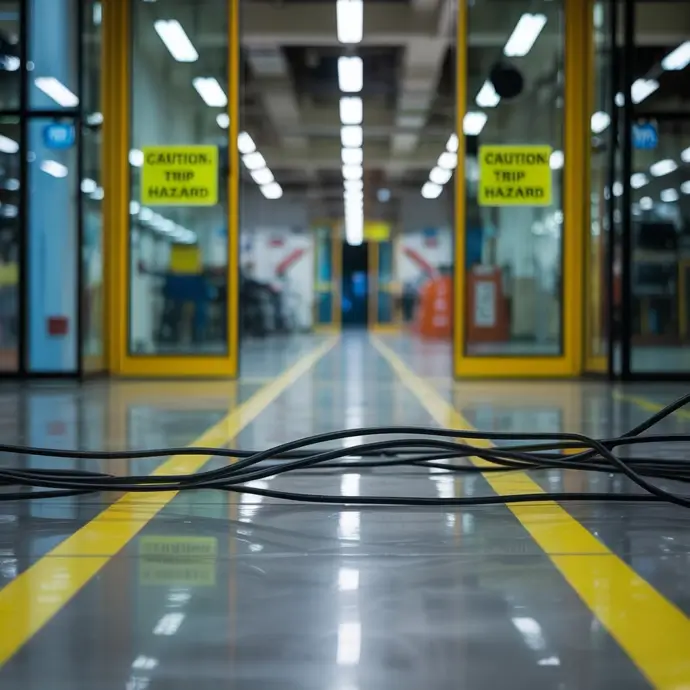
- Neglected maintenance: Delayed spill clean-up, unrepaired flooring, and unsecured cords or cables create preventable dangers.
Preventative Measures and Solutions
Reducing the risk of slips, trips, and falls requires a comprehensive approach focused on proactive safety management:
- Workplace assessments: Regular evaluations to identify hazards such as uneven flooring or cluttered walkways.
- Clear communication: Visible signage, marking hazardous areas, and providing guidance on reporting hazards.
- Training: Hands-on sessions focusing on practical scenarios to help employees navigate workplace risks.
- Proper equipment: Slip-resistant footwear, durable mats, and non-slip floor coatings.
- Maintenance: Prompt attention to leaks, worn flooring, and exposed wires; regular housekeeping to keep walkways clear.
- Accountability: Encouraging staff to report unsafe conditions and fostering a safety-conscious culture strengthens safety initiatives.
Legal and Regulatory Aspects
Workplace safety rules aim to reduce the risk of accidents, such as slips and trips. Employers need to follow laws requiring them to assess risks, train their workers, and keep walkways clear. They also have to ensure that all safety gear and signs meet the required standards. If they don’t follow these rules, they could face fines and more inspections.
Employees play an important role, too. They should report any dangers, stick to safety procedures, and use equipment correctly. It’s important for employers and employees to work together to create a safe environment and follow the rules.
Some industries, like construction and manufacturing, have stricter safety rules because the risks are higher. Employers in these fields might need to put up guardrails or require specific types of footwear. Following these industry guidelines not only helps prevent injuries but also shows that the employer cares about the well-being of their workers.
Case Studies and Real-Life Examples
Real-world examples highlight the effectiveness of safety measures in preventing slips, trips, and falls:
- A retail company reduced injuries after improving lighting, decluttering walkways, and maintaining flooring.
- A construction firm saw fewer falls by introducing scenario-based training and investing in safety equipment.
- A hospitality business installed anti-slip mats, implemented strict cleaning protocols, and encouraged prompt hazard reporting, resulting in fewer incidents and enhanced morale.
Your Responsibilities as an Employer
Employers have an important responsibility to ensure the workplace is safe for everyone, especially in preventing slips, trips, and falls. If they don’t take these risks seriously, they can face legal troubles, fines, and damage to their reputation. The good news is that meeting these safety responsibilities can be simple with the right tools.
Key tasks for employers include identifying potential hazards, understanding the associated risks, and implementing safety measures. HSEDocs offers downloadable tools, like customizable health and safety guidelines, to help you create a strong safety plan. With our resources, you can:
- Conduct thorough risk assessments for slip, trip, and fall hazards.
- Develop and implement clear safety procedures and method statements.
- Deliver training on hazard awareness and prevention techniques.
- Carry out regular inspections and maintenance.
- Investigate incidents to prevent recurrence.
Practical Steps to Prevent Slips, Trips, and Falls at Work
Prevention is always preferable to cure. Implementing a proactive strategy can save costs, avoid legal issues, and protect staff. Practical steps include:
- Conduct thorough risk assessments: Use our editable templates to systematically identify hazards and establish control measures.
- Maintain good housekeeping standards: Keep walkways clear, promptly clean spills, store materials properly, and remove waste regularly. Our templates help you set clear procedures for a tidy workplace.
- Ensure appropriate flooring and maintenance: Install anti-slip flooring, inspect and repair surfaces, and use suitable cleaning methods.
- Provide adequate lighting: Ensure all areas, especially stairs and corridors, are well-lit and bulbs are replaced promptly.
- Implement robust training programmes: Our Slips, Trips, and Falls E-learning Course educates employees and provides certificates upon completion. We offer additional courses on manual handling and working at height.
- Encourage appropriate footwear: Promote or require anti-slip shoes in high-risk areas and educate staff on their importance.
- Use clear signage and warnings: Employ temporary signs for immediate hazards and permanent signs for ongoing risks.
Frequently Asked Question
What are the legal obligations regarding slips, trips, and falls in the workplace?
Employers must protect employees from risks, including slips, trips, and falls, by conducting risk assessments, implementing controls, and providing training and equipment. HSEDocs supports compliance with its documents and e-learning courses.
How can I identify potential slip and trip hazards in my workplace?
Regular inspections are key—look for wet surfaces, uneven flooring, obstructions, poor lighting, and clutter. Our risk assessment templates guide you through identifying all hazards relevant to your environment.
Is training necessary for preventing slips, trips, and falls at work?
Training is vital. Our Slips, Trips, and Falls E-learning Course teaches staff how to recognise, report, and prevent risks. Well-trained employees are your first defence against injuries.
What types of injuries can result from slips, trips, and falls?
Injuries vary from minor bruises to severe fractures and head injuries, potentially even fatalities. Prevention is crucial to avoid these serious consequences.
How often should risk assessments for slips, trips, and falls be reviewed?
Review risk assessments regularly, especially after workplace changes or incidents. An annual review is recommended, and our adaptable documents make this process easy.
Can HSEDocs help us create custom safety documents?
Yes, all our documents are fully editable, allowing you to tailor them to your workplace's unique needs for comprehensive prevention of slips, trips, and falls.