


Health and Safety Documents for Plumbers
Plumbing is a profession that demands a high level of skill and expertise to navigate intricate systems and resolve many challenges. Beyond the technical difficulties, plumbers must prioritise their safety and the safety of those around them. This is where risk and method statements for plumbers play an indispensable role.
Health and safety documents should not be viewed merely as bureaucratic requirements; instead, they are essential tools that promote safe working practices and help prevent accidents and injuries. In the plumbing profession, daily activities can expose workers to various risks and hazards, including working at elevated heights and in confined spaces, as well as handling potentially toxic or hazardous substances. Risk and method statements for plumbers can significantly reduce these risks and foster a safer working environment.
One of the most crucial health and safety documents for plumbers is the Risk Assessment. This document systematically identifies and evaluates potential hazards associated with specific plumbing tasks, while also assessing the likelihood and possible consequences of accidents. By conducting a plumbing Risk Assessment, you can mitigate risks by implementing control measures..For instance, the assessment may reveal the necessity for enhanced ventilation when working in confined spaces or the use of specific personal protective equipment (PPE), such as respirators or gloves, when handling corrosive materials.
Another vital component of a plumber's safety documentation is the Method Statement. Plumbers' method statements provide detailed, step-by-step instructions on how to carry out specific plumbing tasks safely and effectively. For example, a method statement for the installation of a new boiler may include critical protocols such as isolating the power supply, ensuring proper tools and equipment are utilised, checking for gas leaks, and implementing ventilation measures during the installation process. Following a Method Statement not only helps in executing jobs safely but also enhances efficiency and reduces the likelihood of rework or mistakes.
Here's a more in-depth look at the importance of risk and method statements for plumbers:
- Risk Assessments: Risk assessments for plumbers are comprehensive documents that identify potential hazards encountered in the workplace, such as exposure to hazardous substances, electrical hazards, confined spaces, and the risks associated with working at heights. Plumbers' risk assessments not only identify the dangers but also evaluate the likelihood of their occurrence and the potential consequences. Furthermore, they outline an action plan with specific steps to minimise these risks, including the implementation of control measures and the use of personal protective equipment (PPE).
- Method Statements: Plumbers' method statements provide a detailed account of the specific procedures that must be followed to carry out tasks safely and effectively. They serve as a guide for employees, ensuring that everyone involved understands the correct processes and necessary precautions to take. Each statement may include information on the sequence of tasks, equipment and materials required, site safety specifics, and emergency procedures, thereby promoting a culture of safety and accountability among workers.
- COSHH Assessments: Plumbers COSHH (Control of Substances Hazardous to Health) assessments focus on the risks associated with hazardous substances, including chemicals such as solvents, adhesives, and biological waste. These assessments aim to ensure that proper handling, storage, and disposal methods are implemented to mitigate risks to health. They involve evaluating exposure levels, determining control measures like ventilation and PPE, and establishing safe operating procedures.
- Health and Safety Policy: Organisations employing five or more individuals are legally required to have a written health and safety policy. This document not only conveys the company's commitment to maintaining a safe working environment but also delineates the specific responsibilities of each employee regarding safety practices. The policy should be regularly reviewed and updated to reflect any changes in legislation or workplace conditions, ensuring it remains a relevant and effective tool for promoting safety awareness and accountability among employees.
- Compliance with Regulations: Plumbers are required to strictly follow an array of health and safety regulations designed to protect both workers and the public. This includes adherence to guidelines governing gas safety, which mandate procedures for installation, maintenance, and emergency response related to gas systems. Additionally, plumbers must be knowledgeable about regulations concerning asbestos management, particularly when working in older buildings where exposure risks may be present. They must also ensure the proper handling and disposal of hazardous materials according to environmental and safety standards.
- Preventing Accidents and Injuries: Plumbers' health and safety documents play an important role in identifying potential risks associated with plumbing work. By conducting thorough risk assessments and implementing appropriate safety protocols, these documents outline best practices that significantly reduce the likelihood of accidents and injuries occurring. Key elements include providing proper training for workers utilising personal protective equipment (PPE) and adhering to safety regulations.
- Protecting Clients and the Public: In addition to ensuring worker safety, health and safety documents are crucial for protecting clients and the broader community. They establish clear guidelines for executing plumbing tasks in a manner that mitigates hazards, thereby preventing property damage and ensuring the integrity of plumbing systems. Compliance with these standards helps maintain public trust and confidence in plumbing services, as clients can be assured that all work is performed responsibly. Through diligent documentation and adherence to safety protocols, the risk of injuries to bystanders or damage to surrounding properties is significantly reduced, creating a safer environment for everyone involved.
- Building Trust with Clients: Possessing comprehensive plumbing health and safety documentation not only showcases a firm commitment to safety standards but also reflects a high level of professionalism. When clients see that a plumber has meticulous records and adherence to safety protocols, it instils confidence in their ability to perform work reliably and responsibly. This trust can lead to stronger relationships, as clients are more likely to select professionals who prioritise safety and adhere to industry regulations.
- Winning New Business: In today's competitive market, many contracts, especially for larger projects or those involving commercial clients, require proof of health and safety compliance. By having the necessary documentation readily available—such as risk assessments, method statements, and training certificates—plumbers can significantly enhance their chances of winning new contracts. This preparedness not only sets them apart from competitors but also positions them as reputable and responsible service providers, paving the way for more opportunities in the industry.
- Exposure to Hazardous Materials: Plumbers frequently encounter a range of hazardous materials in their line of work, such as lead, asbestos, volatile organic compounds (VOCs) found in solvents, and potentially infectious sewage. Lead can be found in older pipes and plumbing fixtures, posing significant health risks if inhaled or ingested. Similarly, asbestos, often present in insulation materials or older building structures, can lead to serious respiratory diseases if fibres are disturbed and inhaled. Exposure to solvents, which are commonly used for cleaning and adhesive applications, can also have harmful effects, including respiratory issues and skin irritation. Additionally, working with sewage poses not only health risks through direct exposure but also increases the risk of spreading waterborne diseases if safety precautions are not strictly followed.
- Preventing Occupational Diseases: Implementing comprehensive safety protocols and proper documentation is crucial in mitigating the health risks associated with exposure to these hazardous materials. Regular training sessions on recognising and handling dangerous substances can significantly reduce the onset of occupational diseases. Utilising personal protective equipment (PPE), such as gloves, masks, and respirators, is essential to minimise direct contact and inhalation of harmful substances.
In summary, adhering to health and safety protocols is not just an obligation; it is a fundamental aspect of plumbing that underscores your professionalism and commitment to delivering excellent service.
PPE For Plumbers
Personal Protective Equipment (PPE) plays a vital role in keeping you safe on the job.
As a plumber, you encounter a wide range of hazards and risks every day on the job. The effective use of Personal Protective Equipment (PPE) is a key factor in differentiating between a secure, productive work environment and a potentially perilous situation.
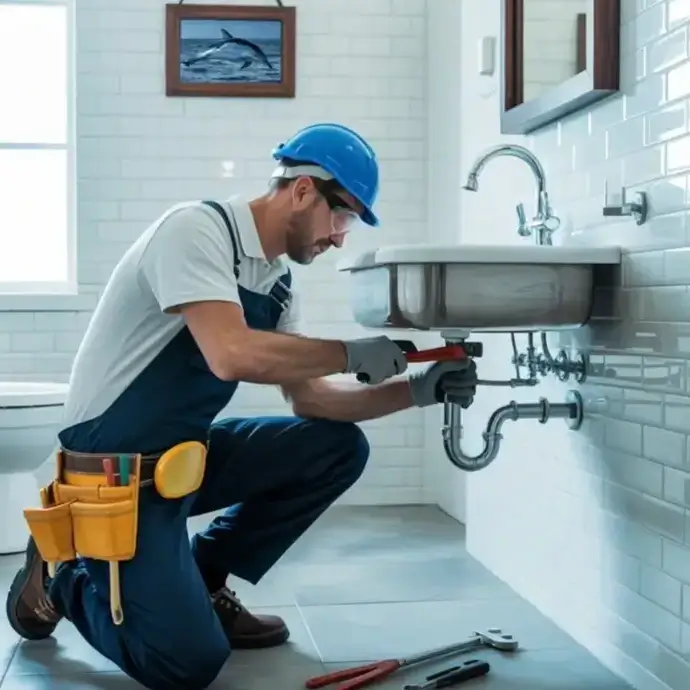
Your Method Statement should outline the specific PPE requirements tailored to each task or job you undertake. Essential items may include, but are not limited to, safety glasses, gloves, hard hats, hearing protection, and high-visibility clothing. Safety glasses are crucial for safeguarding your eyes against hazardous debris, chemical splashes, or intense light from welding or cutting operations. Specialised glasses may be required for tasks involving chemicals or extreme brightness. Gloves, on the other hand, come in various materials—such as latex, nitrile, or leather—each designed to prevent cuts, burns, and exposure to harmful substances. Selecting the appropriate type of glove for the task at hand is vital for ensuring optimal protection. High-visibility clothing is paramount in ensuring that you remain visible to others on the job site, particularly in high-traffic areas. This type of apparel is often reflective and brightly coloured to alert others to your presence, significantly reducing the risk of accidents or collisions with machinery and vehicles. Wearing the proper personal protective equipment (PPE) is not only crucial for safeguarding your health and safety, but it is also a legal requirement in many jurisdictions. It is your responsibility to ensure that you are adequately equipped with the necessary personal protective equipment (PPE) for each job. This includes regularly inspecting your gear for any signs of damage or excessive wear, and promptly replacing any items that are no longer functional or suitable for their intended use.
Remember, while PPE significantly contributes to your safety, it cannot replace comprehensive safety practices. Prioritising proper safety procedures is essential at all times. This includes maintaining good hygiene practices, such as regular hand washing, using tools and equipment according to their intended use, and keeping your work area clean and organised to minimise hazards. Adhering to these protocols ensures a safer work environment for yourself and your colleagues.
Here's why PPE is so necessary for plumbers:
- Protection from Physical Hazards: Plumbers frequently operate with sharp tools, such as pipe cutters and saws, alongside heavy materials like pipes and fixtures. This combination heightens the risk of injury, including cuts, punctures, and crush injuries, especially when working in confined or awkward positions. To mitigate these risks, Personal Protective Equipment (PPE) plays a crucial role. Tough, cut-resistant gloves protect against lacerations, while steel-toed safety shoes safeguard the feet from heavy objects. Hard hats provide essential protection for the head from falling tools or materials, ensuring a safer work environment.
- Protection from Chemical Hazards: The plumbing profession often involves the handling of various chemicals, including adhesives like PVC cement, and potent cleaning agents such as drain cleaners and descalers. Exposure to these substances can lead to adverse health effects, such as skin irritation, respiratory issues, or severe chemical burns. To mitigate these risks, the use of adequate personal protective equipment (PPE) is necessary. Chemical-resistant gloves not only protect the skin but also provide a secure grip while working. Additionally, protective eyewear shields the eyes from splashes, and respirators can filter harmful vapours, significantly minimising inhalation risks when working in poorly ventilated areas.
- Protection from Biohazards: Plumbers frequently come into contact with sewage and wastewater, presenting significant exposure to biohazards that can contain harmful bacteria and viruses. This risk necessitates stringent PPE measures. Waterproof gloves, combined with durable rubber boots and full-length coveralls, are essential for preventing direct skin contact and potential infection. Furthermore, face masks or respirators may be warranted to safeguard against airborne pathogens, ensuring that plumbers minimise their risk of illness while performing vital sanitation work.
- Protection from Thermal Hazards: The potential for burns and heat-related injuries is a pressing concern in plumbing, particularly when working with hot water systems, steam pipes, or heated surfaces. To address these hazards effectively, the use of heat-resistant gloves, as well as protective clothing made from flame-retardant materials, is crucial. These PPE items provide a barrier against immediate thermal exposure and help to prevent burns that can occur from accidental contact with hot surfaces.
- Protection from Falls: Falls are a prevalent risk in the plumbing industry, particularly when working on rooftops, ladders, or elevated platforms. To counteract this danger, the use of properly fitted safety harnesses and helmets is paramount. Safety harnesses should be securely attached to stable structures to prevent falls from heights, while helmets protect against head injuries from falling tools or debris. Regular training on ladder safety and proper fall protection techniques is also essential in fostering a safety-oriented mindset among plumbers.
- Compliance with Regulations: Adhering to industry regulations and workplace safety standards is crucial in the plumbing industry, as many guidelines mandate the use of specific Personal Protective Equipment (PPE) to ensure the safety of workers. Compliance is not only a legal obligation but also a commitment to protecting health and well-being. Labourers must be aware of and comply with regulations set forth by institutions such as the Occupational Safety and Health Administration (OSHA) and local safety codes, making the use of appropriate Personal Protective Equipment (PPE) an integral and non-negotiable aspect of job site safety.
By consistently using the appropriate Personal Protective Equipment (PPE), plumbers can significantly reduce their risk of injury and illness, ensuring they can perform their jobs safely and effectively.
Toolbox Talks
Toolbox talks are vital to promoting a culture of safety and accountability within a team. These informal safety meetings enable plumbers to address specific health and safety concerns related to their job.
During a toolbox talk, it's important to address any recent incidents or near misses on the job. This practice allows you to learn from these experiences and identify patterns or trends that indicate underlying issues needing attention. By openly discussing these situations, you create an environment where everyone feels comfortable sharing their concerns and insights, encouraging a culture of continuous improvement and learning.
Toolbox talks also provide plumbers with an opportunity to share their knowledge and expertise. Each team member may have unique experiences and perspectives that can contribute to a safer working environment. By encouraging open dialogue and collaboration, you can tap into this collective wisdom, ensuring that everyone benefits from the insights and best practices of others.
To keep toolbox talks engaging and interactive, avoid simply lecturing your team; instead, encourage active participation by inviting questions and discussions. Utilise visual aids, such as photographs or diagrams, to illustrate specific hazards or safety procedures. This visual approach helps reinforce the message, making it more memorable and understandable. It is also essential to tailor toolbox talks to the particular tasks or jobs your team is undertaking. By addressing the relevant hazards and precautions, you ensure that the information is directly applicable and meaningful. This approach helps keep toolbox talks relevant and impactful, ensuring that everyone understands how to apply safety measures in their day-to-day work. During toolbox talks, addressing recent incidents or near misses on the job site is not just important, but essential for continuous safety improvements. By analysing these occurrences, teams can uncover patterns or trends that may reveal underlying issues requiring immediate attention. Discussing these situations openly helps cultivate a culture where every member feels empowered to voice concerns and share insights, ultimately fostering an environment committed to learning and safety enhancement.
Moreover, toolbox talks serve as a platform for plumbers to share their specific knowledge and expertise. Each team member brings unique experiences and insights to the table, all of which can significantly contribute to a safer and more efficient working environment. By fostering an atmosphere of open dialogue and collaboration, it becomes possible to harness this collective wisdom, ensuring that all individuals benefit from one another's best practices and lessons learned.
To maintain engagement during toolbox talks, it's essential to move beyond traditional lecturing methods. Instead, encourage active participation by inviting questions, comments, and discussions. Incorporating visual aids—such as photographs, diagrams, and real-life examples—can help illustrate specific hazards or safety procedures more effectively. This visual approach not only reinforces the message but also enhances retention, making the information more memorable and easier to understand.
By focusing on the particular hazards and precautions associated with current jobs, you provide directly applicable information, ensuring that all team members understand how to implement safety measures in their daily activities. This targeted approach not only enhances the effectiveness of the talks but also proves to be instrumental in promoting a vigilant and proactive safety culture within the team.
Improving Health and Safety Data by Reporting Near Misses
Reporting incidents and near misses helps maintain a culture of safety and accountability within your team. By reporting these incidents, you contribute to the prevention of future accidents and create a valuable learning opportunity for everyone involved.
Reporting incidents and near misses enables you to identify patterns and trends, understand the underlying causes, and take proactive steps to prevent similar incidents from occurring in the future. It also creates a sense of transparency and trust within your team, as everyone knows their concerns and experiences are taken seriously.
So, how do you effectively report incidents and near misses? First and foremost, it's crucial to establish a clear and accessible reporting system. This can be as simple as having incident report forms readily available on-site or using digital platforms for reporting. The key is to make it easy for everyone to report incidents on time.
Providing as much detail as possible is essential when reporting an incident or near-miss. This includes documenting the date, time, and location of the incident, as well as any contributing factors or potential hazards involved. The more information you provide, the better equipped you'll be to identify the root causes and implement preventive measures.
It is also essential to foster an open and non-punitive reporting culture. This means ensuring everyone feels comfortable reporting incidents and near misses without fear of reprisal. By emphasising that reporting aims to improve safety, rather than assigning blame, you create an environment where individuals are more likely to come forward and share their experiences.
Conducting a thorough investigation is crucial once incidents and near misses are reported. This involves analysing the root causes, identifying any systemic issues, and developing corrective actions to prevent similar incidents in the future. Involving the entire team in this process can gather different perspectives and insights, contributing to a more comprehensive understanding of the incident.
Finally, sharing the lessons learned from incidents and near misses with your team is essential. This can be done through toolbox talks, safety meetings, or a dedicated incident review process. By sharing the information gained from incident reports, you ensure that everyone on your team knows potential risks and understands how to prevent similar incidents.