
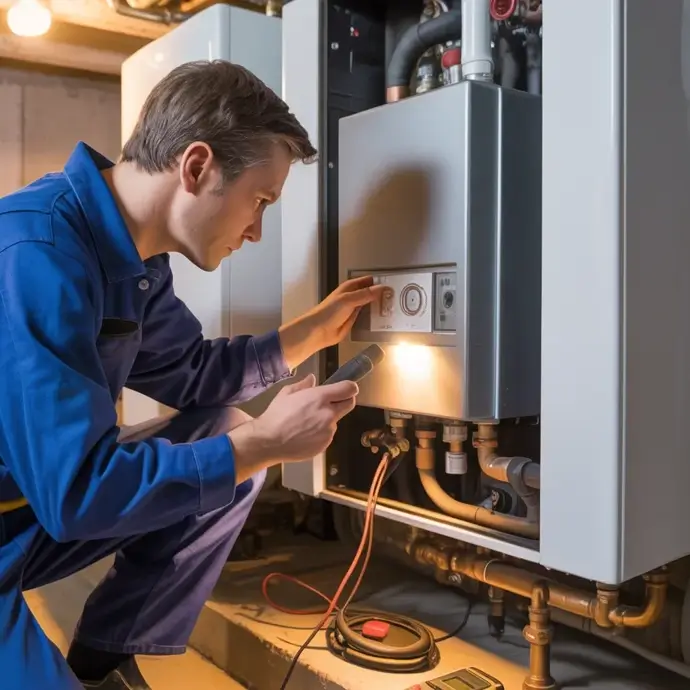


The Importance of Health & Safety in Plumbing and Gas Work
Health and safety are incredibly important in the plumbing and gas industry. Workers in this field often handle hazardous materials and tools, so following safety rules is crucial to protect everyone.
When companies focus on safety practices, they not only protect their workers but also help projects run smoothly. Creating a workplace culture that values safety reduces the risk of accidents and improves efficiency. It’s essential for businesses to have clear safety guidelines and to follow industry regulations to ensure a safe environment for everyone.
In addition to keeping the workplace safe, protecting workers' long-term health is vital. Regular exposure to harmful substances, such as gas or chemicals, can lead to serious health problems if the right precautions aren’t taken. Both employers and workers need to actively manage these risks by making training and awareness part of daily routines.
Moreover, meeting safety standards helps build trust between service providers and their clients. Customers are more likely to choose businesses that show responsibility and professionalism through their commitment to safety.
Common Hazards
Plumbers and gas engineers face various risks that require careful attention to ensure everyone's safety. One of the main risks is exposure to harmful substances such as asbestos, lead, and various chemicals. If they don't take the right precautions, these substances can lead to serious health problems.
Another significant risk is gas leaks. These can lead to fires, explosions, or health issues from inhaling unsafe air. Working in tight spaces also presents challenges, such as limited airflow and restricted movement, which can increase the risk of injury or exposure to harmful gases.
The physical demands of the job often involve lifting heavy tools and equipment, which can lead to injuries if not handled correctly. Additionally, working outdoors in extreme weather—whether it’s very hot or freezing cold—can place additional strain on workers, increasing the risk of accidents.
Another important concern is the use of faulty or poorly maintained equipment. If tools or machines are not working properly, they can cause injuries or result in subpar work. Slippery floors, unstable ladders, or poor lighting can also lead to falls and accidents if not addressed promptly.
There are also electrical risks when working near wiring or electrical systems, so workers must be very careful to avoid shocks or burns. Being aware of these potential dangers and preparing for them is crucial for reducing risks at work. By spotting these hazards in advance, plumbers and gas engineers can take steps to keep themselves and others safe.
PPE and Equipment
Staying safe while working in plumbing and gas is essential, and wearing the right protective gear is a key part of that. When handling hazardous materials or working in hazardous environments, it’s essential that workers use the appropriate equipment. For example, safety goggles help protect the eyes from flying debris and spills. Sturdy gloves are required to protect hands from sharp tools and hot or caustic substances. Steel-toed boots are also important because they protect feet from heavy objects or accidents.
In environments with poor air quality or harmful fumes, wearing a respirator is essential to protect the lungs. It’s important for workers to select the right type of respirator for the specific risks they face and ensure it fits well to be effective. Similarly, wearing ear protection is crucial when operating loud machinery or working in noisy environments.
To ensure that protective gear works well, it’s important for workers to check their equipment regularly and store it properly. If the gear is damaged or outdated, it should be replaced promptly to keep everyone safe. Additionally, workers need proper training on how to use their protective equipment correctly, including how to adjust it for comfort and safety.
For certain high-risk jobs, specialised clothing, such as flame-resistant garments, may be required to protect against heat or fire hazards. Employers should make sure that all protective gear meets safety guidelines to ensure reliable protection for their teams.
Training and Certification
To tackle plumbing and gas work challenges effectively, professionals need proper training and certifications. These training programs help workers develop the practical skills and knowledge needed to identify and mitigate risks in their work. Topics covered include safe handling of tools, adherence to hazardous materials guidelines, and proper use of protective gear.
Getting certified means that workers meet recognised industry safety and skills standards. This not only enhances their professional reputation but also gives clients and employers confidence that the job will be done safely and well. In many cases, specific certifications are legally required to ensure that all work complies with local and national laws.
Ongoing education is also crucial in this ever-changing field. Regular refresher courses and workshops keep employees up to date on the latest tools, safety measures, and regulations. This continuous learning approach helps workers stay alert to safety and ready to handle new challenges.
Employers play an important role in supporting their teams by providing access to training resources and helping them maintain their certifications. By prioritising education, employers can create a safer work environment, enhance overall performance, and reduce the risk of accidents or errors on the job. It’s essential for workers to regularly refresh their skills to stay current and aligned with current industry practices.
Health and Safety Best Practices
To keep everyone safe in the plumbing and gas work industries, it's important to take a proactive approach to identify and manage risks. Employers should establish clear safety rules tailored to the specific challenges these jobs present, ensuring every worker knows their role in staying safe. Providing easy access to safety resources, such as up-to-date manuals and guidelines, helps workers understand how to perform their jobs safely.
Regularly inspecting and maintaining tools, equipment, and work areas is vital for safety. Keeping everything in good condition reduces the risk of accidents or issues that could endanger workers or affect the quality of their work. Encouraging workers to report potential risks without fear of negative consequences fosters a supportive, open environment where everyone can address issues quickly.
Managing time effectively and distributing tasks wisely are crucial for preventing accidents. If workers are overloaded with tight deadlines or assigned tasks that don't match their skills, it can lead to mistakes or injuries. Conducting regular safety audits by an experienced professional ensures that safety procedures remain effective and up to date.
Having extra help can make a big difference in preventing accidents. Building a culture where safety is a shared responsibility not only protects workers but also enhances professionalism in the industry.
Emergency Preparedness and Response
Being prepared for emergencies is essential in plumbing and gas work. Workers should know the specific emergency plans for their job sites so they can respond quickly if something goes wrong, such as a gas leak or fire. It's vital to have emergency exits that are easy to see and reach, along with clear evacuation paths.
Employers should conduct regular emergency drills to ensure everyone knows what to do in different situations. Each team member should understand their role—whether it’s to alert others, turn off utilities, or help co-workers. Learning basic first aid and CPR can also be very helpful, enabling workers to provide immediate support until professionals arrive.
Tools for dealing with emergencies, such as fire extinguishers, gas detectors, and cleanup kits, should be inspected regularly to ensure they function properly when needed. Workers also need training on how to use these tools correctly, especially when things get stressful. Keeping clear communication channels open—such as emergency contact numbers and reporting procedures—ensures that any problems are addressed promptly. By incorporating these practices into their daily routines, both workers and employers can better protect everyone on the job site from unexpected events. Being prepared for emergencies is essential in plumbing and gas work. Workers should know the specific emergency plans for their job sites so they can respond quickly if something goes wrong, such as a gas leak or fire. It's vital to have emergency exits that are easy to see and reach, along with clear evacuation paths.
Employers should conduct regular emergency drills to ensure everyone knows what to do in different situations. Each team member should understand their role—whether it’s to alert others, turn off utilities, or help co-workers. Learning basic first aid and CPR can also be very helpful, enabling workers to provide immediate support until professionals arrive.
Tools for dealing with emergencies, such as fire extinguishers, gas detectors, and cleanup kits, should be inspected regularly to ensure they function properly when needed. Workers also need training on how to use these tools correctly, especially when things get stressful. Keeping clear communication channels open—such as emergency contact numbers and reporting procedures—ensures that any problems are addressed promptly. By incorporating these practices into their daily routines, both workers and employers can better protect everyone on the job site from unexpected events.
Legal and Financial Implications
Failure to comply with safety standards can lead to serious problems for businesses in the plumbing and gas industries. If safety measures are lacking, workplace accidents can lead to lawsuits, government fines, or costly claims for damages. These incidents can not only create immediate expenses but can also harm a company's reputation, causing clients to lose trust and potentially affecting future contracts.
To minimise these risks, it’s important for businesses to invest in robust safety practices and ensure compliance with local and national regulations. This not only protects workers but also demonstrates the company's commitment to its responsibilities. Keeping thorough records of safety training and inspections is also crucial, as this documentation can be helpful during audits or disputes.
By prioritising safety, companies can also support their financial health by avoiding interruptions from accidents or regulatory investigations. Taking safety seriously is more than just about avoiding fines; it reflects a commitment to professional and ethical practices. Businesses that follow safety guidelines are likely to retain skilled employees, operate smoothly, and build strong client relationships, all of which contribute to long-term success in the industry.
Frequently Asked Questions
What are the primary health and safety concerns for plumbers and gas engineers?
The primary concerns include working at height, exposure to asbestos, manual handling injuries, electrical hazards, gas leaks and carbon monoxide, confined spaces, and hazardous substances (COSHH). Each of these requires specific control measures and adequate training to ensure effective Plumbing & Gas H&S.
Do I need to be Gas Safe registered to work with gas appliances?
Absolutely. It is a legal requirement in the UK for anyone performing gas work to be on the Gas Safe Register. This ensures competence and adherence to strict safety standards, crucial for Plumbing & Gas H&S.
How often should risk assessments be reviewed?
Risk assessments should be reviewed at least annually, or sooner if there are significant changes to the work process or equipment, or if an accident or near-miss occurs.
Can HSEDocs help with health and safety documentation?
Yes, we offer a comprehensive range of health and safety documents, including bespoke risk assessments, method statements, and COSHH assessments tailored for the plumbing and gas industry. Our H&S Packages can provide a complete solution.
Are your online training courses suitable for all levels of experience?
Our e-learning training courses are designed to be accessible and beneficial for individuals at various experience levels.
What are the benefits of using an e-learning platform?
E-learning platforms like ours offer flexibility, allowing employees to complete training at their own pace and convenience. It's often more cost-effective than traditional classroom training, ensures consistent content delivery, and provides instant certification, all while upholding robust Plumbing & Gas H&S standards.