


Manual Handling: Guidance for a Safer Workplace
At HSEDocs, we understand that having strong health and safety practices is crucial for any business to thrive. Many workplaces involve lifting and moving heavy items, which is something we often take for granted. However, it's important to know that these tasks can lead to serious injuries if not done safely. This guide provides an easy-to-understand overview of manual handling, explains your legal responsibilities, and shows how our resources can help you manage risks and follow the rules.
What is Manual Handling?
Manual handling refers to any activity where you move or support something using your hands or body strength. This might include tasks such as lifting, placing, pushing, pulling, carrying, or transporting items. It’s something we do every day in many types of jobs—whether it’s moving a box of files in an office, handling tools on a construction site, or shifting stock in a warehouse.
However, moving things by hand can sometimes lead to injuries, ranging from minor strains to more serious conditions that affect the muscles and joints over time. These injuries can impact not only personal health but also how well people can work. Understanding what manual handling involves is key to creating a safer working environment and protecting employees.
In simple terms, manual handling is any physical movement of objects without the use of machines. This is especially common in fields like construction, healthcare, retail, and warehousing. Although it might seem easy, if not done correctly, lifting or moving loads can cause significant strain on the body. Workers need to think carefully about how to move items safely. Factors such as the load's weight, shape, and stability, as well as the surrounding environment, all play a role in how safe the task is. Being aware of these factors is the first step toward reducing the risk of injury when lifting or moving objects.
Common Risks
Using poor lifting techniques can place significant stress on your body, leading to injuries that affect your muscles, joints, and soft tissues. Activities like lifting heavy objects, twisting your body while carrying things, or reaching overhead repeatedly can strain your lower back, shoulders, and wrists. If you're often in awkward positions, pushing yourself too hard, or doing the same movements over and over, your risk of getting hurt increases. Over time, this can lead to ongoing health issues, such as constant back pain or joint problems, especially if you don’t give your body enough time to recover.
Moreover, working in poorly designed spaces—such as those with uneven floors, cramped areas, or poor lighting—can make accidents and injuries more likely. Ignoring these issues can harm your health and reduce your efficiency at work. It’s important to pay attention to how we lift and move things to stay safe and healthy.
Best Practices
When lifting heavy objects, it’s important to use proper techniques to avoid injury. Before you lift something, check its weight and awkwardness. If it seems too much for you, don’t hesitate to ask someone for help. If you decide to lift it alone, make sure it's stable and keep it close to your body. This helps you maintain your balance and puts less strain on your muscles.
Good posture matters a lot. Instead of bending at your waist, bend your knees and keep your back straight. Use your legs to do the lifting, and try not to twist your body; turn your whole body by moving your feet to protect your back. If you have to lift things repeatedly or carry them for a long time, remember to take breaks so your muscles can recover.
Whenever possible, use tools like hand trucks, pallet jacks, or lift tables to make lifting easier and safer. It’s important to get proper training on how to use these tools correctly.
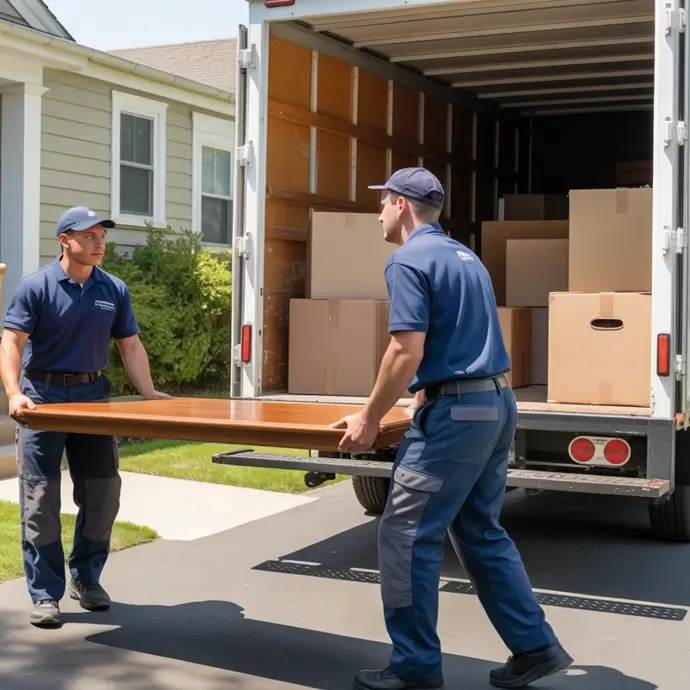
Working together with others is crucial when dealing with heavy or bulky items. If something is too big or heavy to move by yourself, it's best to coordinate with teammates to share the load. Clear communication and teamwork can help prevent accidents and make the task go smoothly.
Also, keep your workspace organised and clear of obstacles. This can help you avoid bending down or reaching too far, and it reduces the risk of tripping. Good lighting is also important, especially in areas that might be dim or hard to see, to ensure safe handling.
Ergonomics and Equipment
Ergonomics is all about creating workspaces and tools that match the needs of the people using them. By designing things this way, we can reduce the risk of injuries that often happen during physical work. When we apply ergonomic principles, it can make our jobs more comfortable, help us work better, and reduce strain on our bodies.
For instance, adjustable work surfaces help position materials at the right height, so you don’t have to keep bending over or stretching awkwardly. Using specialised tools such as trolleys, carts, and pallet jacks makes it easier to move heavy or awkward items without putting in too much effort. Adjustable lift tables and hoists are great for raising or lowering loads to a comfortable height, making them easier to handle.
It's also important to think about where we place tools and materials. Keeping frequently used items within easy reach can help avoid unnecessary stretching or twisting. Arranging workstations to support natural movements can lead to better posture and less discomfort.
Good lighting is another key point. Brightly lit areas help reduce mistakes and accidents, especially when working with items in dim places. Additionally, having non-slip surfaces and clear walkways can prevent slips, trips, and falls, which are common risks in workplaces.
Employers should ensure they provide adjustable equipment that suits workers of different heights and physical abilities. Items like adaptable chairs, footrests, and workstations can help improve posture and comfort, especially during long tasks. When workers have ergonomic solutions, they can perform physical tasks more comfortably and safely, reducing the chances of injury.
Frequently Asked Questions
What are the common injuries associated with manual handling?
Common injuries include sprains and strains to muscles, ligaments, and tendons, particularly in the back, neck, and shoulders. More severe injuries can lead to slipped discs, hernias, and long-term musculoskeletal disorders (MSDs).
Do I need an explicit risk assessment for every task?
No, not necessarily for every single task. You need to assess any hazardous manual handling operations that cannot be avoided. This often means assessing categories of tasks or common movements. Our risk assessment templates can help you develop a systematic approach to identify and evaluate these risks efficiently.
How often should training be refreshed?
While there's no strict legal frequency, it's generally recommended that training be refreshed regularly, typically every 2-3 years, or whenever there are significant changes to tasks, equipment, or workplace environments. This ensures employees' knowledge and skills remain current.
Are there situations where manual handling should be avoided entirely?
Yes, the Manual Handling Operations Regulations 1992 state that employers must avoid hazardous manual handling operations as far as reasonably practicable. If a task poses a significant risk of injury, and there are realistic alternatives such as automation, mechanical aids, or redesigning the task, then manual handling should be avoided.
What resources does HSEDocs offer for compliance?
HSEDocs provides a comprehensive range of resources, including downloadable and editable risk assessment templates, method statements, and a dedicated manual handling e-learning course. Our goal is to offer fast, efficient, and cost-effective services to help businesses meet their legal requirements and maintain a safe working environment. You can find more information about our offerings at our courses page and our documents page.