
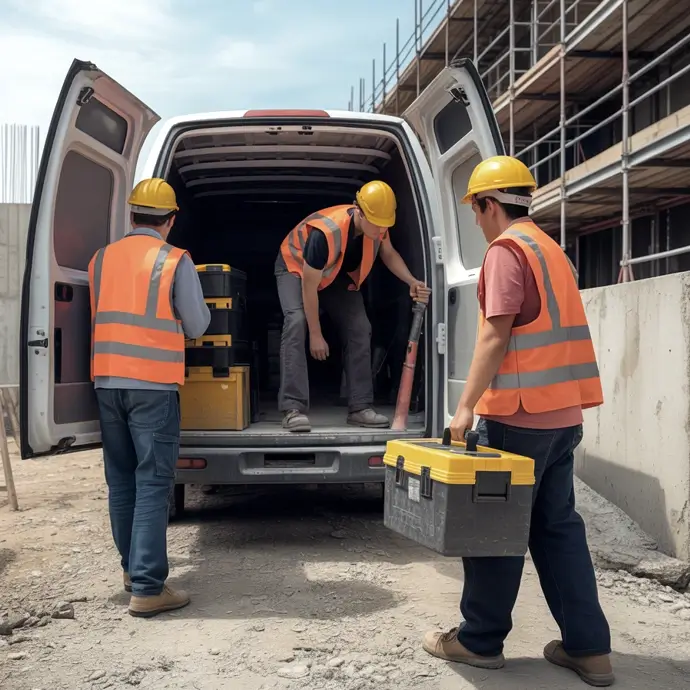


Manual Handling Awareness: Training for a Safer Workplace
At HSEDocs, we believe that keeping a safe workplace is not just about following the law; it’s essential for the success and safety of any company. One common issue that often leads to workplace injuries is improper manual handling, which is why it’s crucial for your team to understand how to handle objects safely.
Our easy-to-follow online training course is designed to equip everyone with the knowledge and skills they need to reduce risks, prevent injuries, and comply with important health and safety laws. We pride ourselves on providing quick, efficient, and affordable services.
As an online resource for health and safety training and documents, our aim is to help businesses like yours stay compliant and safe. Each course we offer is made to be clear and straightforward, ensuring that all employees can grasp and apply safe manual handling techniques.
If you want to improve your team's understanding of safe lifting, risk assessment, and legal responsibilities, we have just what you’re looking for. Our practical approach uses relatable examples and helpful tips to enhance workplace safety.
A Guide to Manual Handling Awareness
Manual handling involves tasks that require physical effort to move objects, like lifting, carrying, pushing, or pulling. These activities are common in many jobs, especially in areas like construction, manufacturing, and healthcare. While they might seem routine, it’s important to understand that doing them incorrectly can lead to serious injuries. That's why it’s essential to know how to perform these tasks safely.
To handle objects safely, you need to think about the weight of what you’re moving, how far you need to carry it, and what your surroundings look like. Ignoring these factors can increase the risk of injury, which can harm both workers and overall workplace productivity.
Taking a proactive approach benefits everyone in the workplace. This means educating workers on how to use their bodies correctly and providing practical tips to reduce risks when moving items. Before lifting or carrying something, it’s wise to plan how to do it safely and consider using tools or asking for help. Encouraging a culture where safety is a priority helps ensure everyone is aware and responsible during manual handling tasks.
Risks and Hazards
Poor manual handling practices can lead to injuries that affect an employee's ability to work and their overall well-being. The most common injuries include strains, sprains, and muscle and joint problems. These issues often arise from poor posture, doing too much at once, or lifting without checking the weight. Some injuries build up over time, while others can happen suddenly, which shows why it's important to manage risks before they become problems.
The work environment also affects safety. Things like poor lighting, crowded areas, and uneven or slippery floors can all increase the likelihood of accidents. Tasks that involve repetitive movements, uncomfortable positions, or heavy items can put extra stress on the body. To keep everyone safe, it’s important to plan carefully and pay attention to these details.
Injuries can also occur when employees don’t use tools or equipment designed to reduce physical strain. Relying only on personal strength, rather than using equipment such as carts, dollies, or lifting devices, can greatly increase the risk of injury. Not enough training can lead to unsafe practices, as workers might not know the best ways to do their jobs or how to spot signs of strain. Recognising these hazards early and taking the right actions helps protect employees and creates a safer workplace.
Safety Practices
Staying safe while lifting and moving things is really important. It’s crucial to use the right techniques and take steps to avoid straining your body. Before you lift or move anything, make sure to check its weight and awkwardness. If it seems too heavy or difficult to handle, don’t hesitate to ask for help or use tools that can make the job easier.
When you do lift, try to keep the object close to your body and avoid making any sudden movements, as this can help prevent injuries. The area where you’re working also affects safety; a tidy workspace without any clutter is safer to move around in. Good lighting and clean, dry floors can help stop slips and falls, too. If you're doing the same task over and over, remember to take regular breaks or switch up what you’re doing to avoid getting too tired.
Using the right tools can make a big difference. Equipment such as carts, lift-assisted devices, or adjustable tables can make carrying and moving easier and safer. It's important for everyone to learn how to use these tools properly and to always use them when needed. Also, wearing the right safety gear, such as gloves or sturdy shoes, can help protect you from workplace injuries.
Employer Responsibilities
Employers have a big responsibility to keep workers safe from injuries that can happen while lifting or moving things at work. To do this, they need to carefully assess potential dangers and find ways to address them. Providing the right tools, like lift aids or adjustable desks, is really important. It's also essential to regularly check and maintain this equipment to ensure it's safe to use.
Training is another crucial part of an employer's job. They should offer programs that fit the specific tasks and needs of their workplace, so employees learn how to lift and handle items safely. Hands-on demonstrations and regular refreshers help everyone remember the best ways to stay safe.
Good communication between bosses and employees is essential for making the workplace safe. Employers should encourage workers to speak up about any concerns they have regarding lifting tasks or report unsafe conditions. When employers listen and quickly address these concerns, it helps build trust and promotes a culture of safety.
Keeping the workspace tidy and free of hazards is also very important. Employers should make sure there are clear walkways, proper storage for items, and regular cleaning. These simple steps can help create a safer environment and reduce the risk of injury when handling heavy loads.
Employee Responsibilities
Employees play an important role in keeping the workplace safe when lifting and moving items. This means following the rules and using the right techniques, such as checking how heavy something is before trying to lift it, and asking for help or using tools if needed. It's also important to maintain good posture, keep items close to your body, and avoid twisting or jerky movements while lifting.
Taking part in safety training is crucial. Employees should attend training sessions, ask questions if they're unsure, and practice the techniques they are shown. It's important to stay informed about safety guidelines to use the best methods for staying safe at work.
Communication is vital for reducing risks. Employees should speak up if they notice broken equipment, messy work areas, or dangerous tasks. Sharing ideas and feedback with their supervisors can lead to better safety measures and help create a culture of safety at work.
Using the right tools and equipment, such as lifting aids, carts, and safety gear, is also very important. Employees should stay aware of what's happening around them, keep pathways clear, and be careful, especially in busy areas, to prevent accidents.
The Role of Technology
Technology plays a crucial role in making work safer and easier, especially when lifting and moving heavy items. Tools like forklifts, pallet jacks, and conveyor belts help workers move bulky objects without straining their bodies. These machines are particularly helpful in workplaces where lifting and carrying happen often, allowing employees to do their jobs more effectively and with less risk of injury.
In addition to these tools, new technologies like automated storage systems and robots are changing how work gets done. Robotic arms and automated vehicles can perform repetitive or more dangerous tasks, keeping workers safe from potential accidents.
Wearable devices are also becoming popular because they can track how workers move and position themselves, sending alerts if they’re at risk of injury. Furthermore, virtual reality (VR) training programs let employees practice safe lifting techniques in a simulated environment, helping them learn without real-world risk.
Frequently Asked Questions
What is manual handling awareness training?
This training educates individuals on how to safely lift, carry, push, and pull objects to prevent injuries. It covers legal requirements, risk assessment techniques, and proper body mechanics. Our course provides participants with clear, actionable knowledge to reduce the risk of musculoskeletal injuries in the workplace.
Who needs training?
Anyone whose job involves lifting, lowering, carrying, pushing, or pulling loads should receive training. This applies across various industries and roles, from office workers occasionally moving boxes to construction workers regularly handling heavy materials. Employers have a legal obligation to provide this training where manual handling risks are present.
How long does training take?
The duration of training can vary. Our online course is designed to be efficient and engaging, allowing individuals to complete it at their own pace. Typically, it can be completed in two hours, though this depends on the individual's learning speed and prior knowledge. The critical aspect is understanding and retaining the information, not just rushing through the material.
What are the benefits of an online manual handling awareness course?
This course offers significant benefits, including flexibility, cost-effectiveness, and accessibility. Learners can complete the course from any location with an internet connection, at a time that suits them, minimising disruption to work schedules. Our online platform provides instant access to course materials and immediate certification upon successful completion, ensuring your team gains essential training quickly and efficiently.
Does manual handling training need to be refreshed?
Yes, while there isn't a strict legal frequency for refresher training, it's widely recommended that manual handling awareness training be refreshed periodically, typically every 1-3 years. This ensures employees remain up-to-date with best practices, new equipment, and any changes in legislation. Regular refreshers also reinforce safe habits and remind employees of the importance of proper manual handling techniques, maintaining strong awareness throughout your organisation.
How can I ensure my employees apply what they learn in the training?
Ensuring the practical application of training involves several steps. Firstly, promote a strong safety culture where safe practices are encouraged and rewarded. Secondly, provide appropriate equipment and maintain it well. Thirdly, conduct regular workplace assessments and observations to identify and correct unsafe practices. Finally, encourage open communication where employees feel comfortable reporting hazards or suggesting improvements. At HSEDocs, we provide the foundational knowledge; combining it with robust workplace policies ensures long-term safety.