
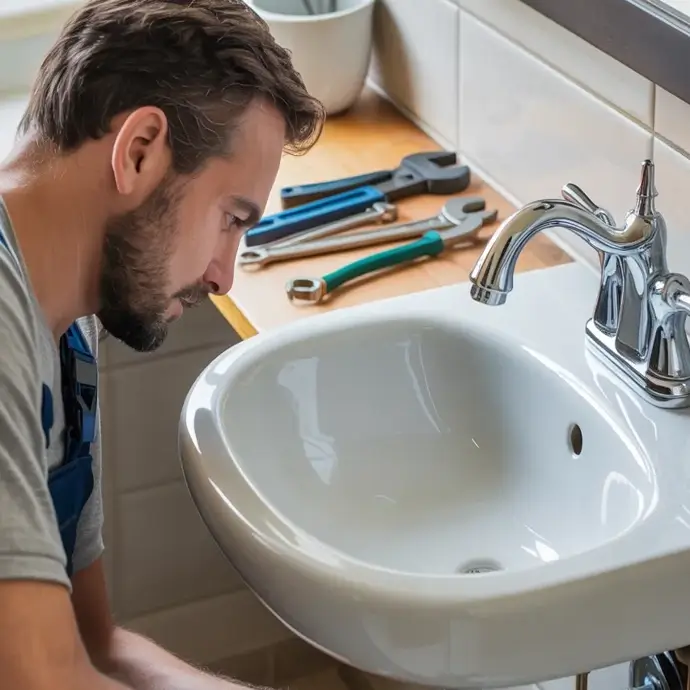


Key H&S Tips for Plumbing & Gas Professionals
At HSEDocs, we believe that keeping your workplace safe is not just a legal requirement; it’s essential for protecting your employees, your customers, and your business reputation. Whether you run a small plumbing service or manage a larger gas installation company, having strong health and safety practices in place is crucial.
This page helps you easily find the information and tools you need to handle health and safety issues in plumbing and gas work, so you can stay compliant with industry standards.
For over 20 years, we have provided businesses in the UK with effective health and safety solutions. Our resources include online training courses and downloadable documents designed to simplify your compliance process, making it easy and affordable to ensure top-notch safety measures.
Working in plumbing and gas can be risky. Tasks often involve working from heights, in tight spaces, with hazardous materials, and handling high-pressure systems. Without proper safety measures, the chances of accidents, injuries, and even fatalities can increase significantly. There are strict rules in place to prevent these dangerous situations, and failing to comply can result in hefty fines, legal issues, and damage to your business’s reputation.
Beyond just following the law, creating a strong safety culture has many benefits:
- Happier Employees: When workers feel safe and appreciated, they tend to be more productive and loyal.
- Less Downtime: Fewer accidents mean less disruption from investigations, repairs, or employee time off.
- Better Reputation: Companies that prioritise safety attract more clients and attract more talented workers.
- Lower Insurance Costs: A strong safety record can lead to lower insurance premiums.
UK Legal Framework for Plumbing & Gas Safety
In the UK, the plumbing and gas industries are governed by strict safety rules designed to protect everyone involved. Key regulations include the Gas Safety (Installation and Use) Regulations 1998 and the Health and Safety at Work Act 1974. These rules establish clear responsibilities for both employers and employees, underscoring the importance of safety across all job tasks.
For businesses in these sectors, complying with the law means developing effective safety policies, providing proper training, and maintaining all equipment in top condition. Employees also play a crucial role by following safety procedures, using tools correctly, and raising any concerns about potential hazards. Ignoring these responsibilities can lead to serious safety risks and may result in legal troubles or financial penalties.
Some tasks, such as installing or repairing gas appliances, are subject to strict rules to prevent hazards, including gas leaks. Workplaces must also meet general safety standards, including maintaining a clean, organised environment, ensuring proper air circulation, and regularly assessing risks.
Staying up to date on changes to these regulations is essential. New laws or updates can significantly affect daily operations. Industry professionals should regularly review official guidance, communicate with relevant authorities, and participate in training to remain compliant.
Safety Protocols for Plumbers
Plumbers often face a range of safety risks on the job, making it essential that they follow proper safety protocols. One of the key ways to stay safe is by using personal protective equipment (PPE). This includes items such as gloves, safety goggles, and sturdy shoes that help protect against hazards such as sharp tools, chemical spills, and slippery floors. Wearing the right gear keeps plumbers safe while they work.
Maintaining a tidy and organised work area is also crucial for preventing accidents. Tools and materials should be stored properly, and any spills or messes should be cleaned up immediately to prevent slips and falls. Using ladders safely and lifting items properly are important, especially when working in tight spaces or at heights. Ignoring these safety tips can lead to avoidable injuries.
Another vital aspect of plumber safety is the proper use of tools. Tools should be checked regularly for any signs of wear or damage. Using broken tools can lead to accidents, so it's essential to follow the manufacturer's instructions for safe use.
Before starting any job, plumbers should assess the associated risks. Identifying potential problems, such as checking pipes for pressure before repairs, can help prevent unexpected issues, including leaks or bursts. Being aware of factors such as nearby electrical wires or tight spaces also allows plumbers to take appropriate precautions.
Good communication is another key safety practice. When working in teams or on potentially dangerous tasks, it's important to keep others informed so help is available if needed. Plumbers should also know the emergency procedures for their job site, as prompt action can help prevent injuries and reduce damage.
Gas Safety Essentials
Maintaining gas systems is critical to keeping everyone safe and preventing dangerous situations. It’s essential to follow safety rules when working with gas to reduce the risk of accidents, including leaks and equipment issues. Professionals must ensure that gas appliances and pipelines are installed and serviced properly to prevent safety hazards.
One key to staying safe is recognising issues early. Gas appliances should be inspected regularly for signs of damage, rust, or operational issues. If you notice unusual odours, discolouration around appliances, or uneven flames, these could be warning signs that something isn’t right and needs to be addressed quickly. Regular inspections should be conducted alongside the use of appropriate testing tools to identify hidden issues.
Good ventilation, or airflow, is also crucial when dealing with gas systems. If there isn’t enough fresh air, harmful gases can accumulate, posing a significant risk to anyone nearby. Ensuring work areas and gas systems are adequately ventilated helps keep people safe.
Carbon monoxide is a particular concern because it is a colourless, odourless gas that can be highly dangerous. Using carbon monoxide detectors helps monitor gas levels and alerts people if conditions become unsafe. It’s important to place these detectors correctly to ensure they work effectively.
Those who work with gas should stay up to date on the latest safety guidance and use approved methods to ensure safety. Following the manufacturer’s instructions for appliances and tools helps ensure safe operation. Additionally, keeping track of maintenance and inspections is vital for future reference and accountability.
Lastly, educating clients on basic gas safety tips can help raise awareness beyond the workplace. It’s helpful to advise people on safe gas use, the importance of regular checks, and the need to report any unusual signs. This way, everyone can help keep their homes and workplaces safe.
Training and Certification
Getting the right training and certification is essential for safety and professionalism in the plumbing and gas industry. In the United States, aspiring plumbers and gas professionals must complete specific courses that cover both the technical aspects of the job and essential safety practices. These courses often cover topics such as system design, component installation, and regulatory compliance, helping individuals gain a well-rounded understanding of the field.
Hands-on training is a key part of this education, allowing trainees to work directly with the tools and materials they’ll use on the job. This practical experience is crucial for building confidence in tasks like fitting pipes and checking systems for leaks. Many training programs also focus on developing problem-solving skills, preparing individuals for the complex challenges they may face in real-world situations.
For those looking to specialise further, advanced certifications are available in areas such as servicing gas appliances or improving water efficiency. These certifications not only deepen expertise but also expand career opportunities by demonstrating proficiency in specific skills. In many states, professionals must pass licensing exams that test their knowledge of safety protocols, codes, and best practices.
Staying up to date on the latest industry changes is also very important. Workshops and continuing education programs help workers keep up with new tools, technologies, and safety standards. This ongoing learning ensures that professionals can meet the demands of modern plumbing and gas systems, especially as concerns about energy efficiency and the environment grow.
Mentorship and apprenticeship programs are another valuable way to prepare newcomers for the field. Learning from experienced professionals provides insights and allows trainees to apply what they’ve learned in real-life situations. These programs create a supportive environment that helps develop both technical skills and professionalism in the workplace.
Maintaining certifications often requires periodic renewals, which might involve additional tests or attending refresher courses. This ensures that workers stay knowledgeable and up to date with current standards throughout their careers. By emphasising continuous learning and skill development, professionals can ensure safety, deliver high-quality work, and comply with regulations.