
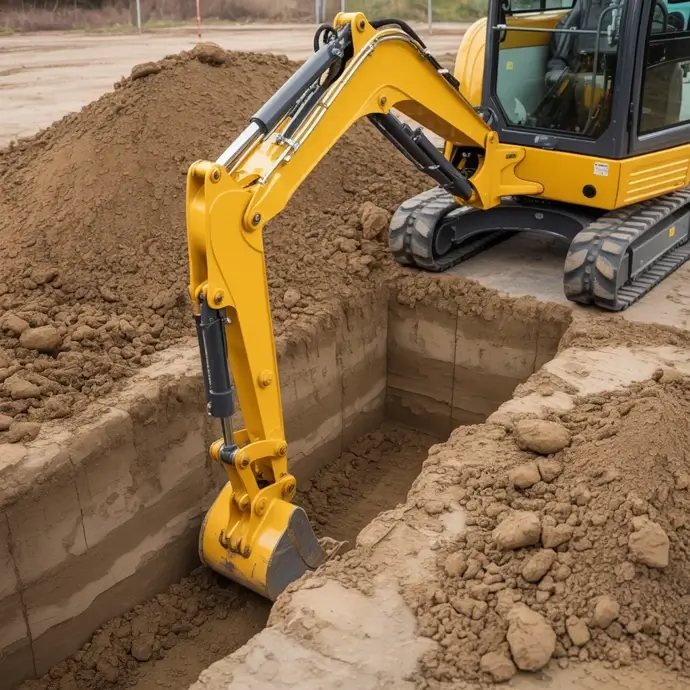


Understanding Health and Safety in Groundworks
Whether you're involved in drainage, foundations, concreting, or site preparation, managing risks is not only a legal requirement but also crucial to keeping projects running smoothly and workers safe. We offer health and safety solutions specifically designed for the unique challenges of groundworks.
With over twenty years of experience, HSEDocs has become a trusted partner in helping businesses comply with regulations and create safe working environments. Our organisation is certified in quality management and information security, underscoring our commitment to maintaining high standards. All of our materials are up to date with UK law, providing clear guidance on health and safety in groundworks.
Working in groundworks involves various risks, including heavy machinery, digging, working at heights, and handling hazardous materials. Poor health and safety practices can lead to serious accidents, project delays, and significant financial losses. For any company in this field, it’s vital to implement proactive health and safety strategies to protect workers, uphold a good reputation, and ensure that projects stay on track.
Some common risks in groundworks projects that we address include:
- Collapses during excavation and unstable trenches
- Hitting underground utilities like pipes and cables
- Falls from heights or into open excavations
- Injuries from machinery
- Exposure to dangerous substances, like asbestos or contaminated soil
- Injuries from lifting and moving heavy objects
- Hazards from noise and vibrations
- Working in tight spaces
Each risk requires specific safety measures, thorough risk assessments, and targeted training. At HSEDocs, we provide resources to help groundworks teams manage these risks effectively.
Given the high-risk nature of groundworks activities such as digging and the use of heavy equipment, prioritising health and safety is crucial. Best practices include identifying hazards early, training workers thoroughly, and implementing robust risk control measures. Employers should evaluate each project stage to identify potential risks and take steps to prevent accidents and injuries.
Creating detailed safety plans is essential for maintaining a safe job site. These plans outline clear procedures for operating machinery, dealing with unstable ground, and responding to emergencies. Sharing these plans with all team members ensures everyone consistently follows safety protocols. Regular training sessions are important for keeping workers informed about specific risks, such as trench instability or improper equipment use.
Collaboration is often necessary in groundworks projects, which makes effective communication vital to prevent misunderstandings that could jeopardise safety. Using clear signals during machinery operation and strictly following site rules are key to maintaining a safe working environment.
Regulatory Framework for Groundworks
Groundwork activities involve many rules designed to keep workers, the public, and the environment safe. Both employers and contractors must comply with these regulations to ensure a safe work environment throughout a project. The regulations cover important topics such as safe digging practices, proper equipment use, and the management of hazardous materials that may be found on-site.
A key focus is on preventing accidents related to digging and ground stability. Guidelines are in place to prevent trench collapses, which can be very dangerous. This includes using appropriate supports and conducting regular site inspections to catch potential problems early.
When handling hazardous materials, such as contaminated soil or asbestos, strict rules ensure they are contained, removed, and disposed of safely. Failure to follow these rules can lead to serious safety risks, environmental damage, and legal consequences.
The use of heavy machinery is also heavily regulated. Operators must have the appropriate licenses and training, and equipment must be inspected regularly to ensure it's safe to use and doesn't pose risks to workers or nearby people.
Before any groundwork begins, detailed risk assessments and method statements are required. These documents outline the tasks to be performed, the potential risks involved, and the steps to minimise them. This way, all workers are informed and reminded to follow safety procedures.
Lastly, before construction starts, it’s important to identify and mark all utility lines and underground services to avoid accidentally damaging them during digging. This careful planning is crucial for a safe and efficient project.
Best Practices for Ensuring Safety
Ensuring safety on construction sites is critical, especially for groundworks. Workers need to be trained in the proper procedures for their specific tasks, such as digging or handling hazardous materials. Before starting any work, there should be clear safety plans that consider potential hazards.
It's essential for workers to have the right protective gear, such as bright clothing, sturdy boots, and masks when needed, to help keep them safe from hazards. All machinery should be regularly checked to make sure everything is working properly and to avoid accidents caused by equipment failures.
Good communication on-site is also crucial for safety. Workers should have clear instructions for reporting hazards, and supervisors should hold regular meetings to keep everyone updated on current and new risks. Using signs and barriers can also help guide both workers and machinery, reducing the risk of accidents.
Finally, regularly reviewing and assessing safety practices is necessary to ensure effectiveness. Safety officers should conduct routine inspections, and workers should feel encouraged to share ideas on how to improve safety. This teamwork helps everyone take responsibility and proactively manage risks.
The Role of Employers and Employees
Employers have an important job when it comes to keeping everyone safe at work, especially in groundworks. This means they need to carefully inspect the work site for potential hazards, understand the area's conditions, and determine the safety measures required for each job. It’s crucial for employers to ensure workers are properly trained—especially when using heavy machinery or working in areas where digging is underway. They should also provide well-maintained equipment and the right safety gear to protect their employees.
Employees also play a key role in maintaining workplace safety. By following safety rules and being alert to potential hazards, they can help keep themselves and their coworkers safe. It’s important for workers to report any unsafe conditions to their supervisors and to participate in safety training sessions to stay up to date on best practices.
For safety to be effective, employers and employees need to work together. Open communication is vital; it allows workers to share any safety concerns and promotes teamwork in solving problems. There should be systems in place for employees to give feedback on how safety could be improved, and everyone needs to understand how their actions can affect their own safety and the safety of others.
Building a strong safety culture takes continuous effort from both employers and employees. Recognising workers who consistently follow safety rules can inspire others to do the same. Employees should feel confident in pointing out areas where safety can be improved. Together, these actions help create a workplace where safety is valued and risks are managed effectively.
Focused Training Initiatives: Reducing Equipment-Related Injuries
One example involves a construction company that faced many injuries related to equipment use. Realising this was a recurring problem, the company implemented a training program to teach workers to operate machinery safely and follow safety guidelines. They held regular training sessions to ensure everyone understood how to use the equipment safely and was aware of the risks involved in their work.
As a result of this initiative, workplace injuries declined significantly, underscoring the value of continuous education and hands-on training. Providing thorough training not only protects workers but also boosts productivity by minimising downtime from accidents that could have been prevented.
The training covered key topics, including operating machinery safely, identifying hazards, and responding to emergencies. Thanks to these efforts, the company experienced fewer equipment-related injuries, proving that investing in worker training leads to safer work environments and better overall performance.
In another situation, a team at an excavation site mistakenly damaged underground utility lines because they had not checked the locations of these utilities before digging. Although they managed to contain the damage, the project incurred delays and additional repair costs. This incident emphasises the importance of careful planning before starting any construction work and using the right tools to detect underground infrastructure to prevent accidents.
These examples highlight how both mistakes and improvements in safety practices can have a real impact. Companies that focus on regular training, careful planning, and adherence to safety rules can significantly reduce risk. By learning from past experiences, the construction industry can refine strategies and health and safety standards to improve outcomes.
Comprehensive Health and Safety Documents for your Groundworks Projects
Understanding the rules and regulations for groundworks can be a tough job. That's where HSEDocs comes in. They offer a wide range of health and safety documents to help ensure construction projects are safe and compliant with the law. These documents are created by experts in the field and are regularly updated to stay in line with the latest UK laws.
Here’s what you can find in their library:
- Risk Assessments: These help you identify potential risks in specific tasks and show you how to manage them effectively.
- Method Statements: These are step-by-step instructions for completing high-risk tasks safely, ensuring everything is properly planned.
- COSHH Assessments: These documents guide you on how to safely handle and store hazardous materials you might encounter during groundworks, as well as what to do in an emergency.
- Health and Safety Policies: These explain your company’s commitment to safety and serve as the foundation for a strong safety culture.
- RAMS Packs: These packs combine all the essential safety information for groundworks into a single, easy-access document.
HSEDocs aims to provide practical and affordable solutions. You don't need a subscription; you can purchase only the documents you need, whenever you need them. If you have questions or need help, their support team is just an email away and usually responds within an hour.
Why Choose HSEDocs for Your H&S Groundworks Needs?
Expertise and reliability are crucial for groundworks safety. HSEDocs stands out as a leading provider for several reasons:
- Over twenty years of industry experience, with continuously refined knowledge.
- All materials comply with current UK laws and regulations.
- Approved supplier to central government and the public sector.
- High customer satisfaction: Google Overall Rating of 4.8 from 545 reviews.
- ISO 27001 certified and ICO registered for data protection; secure data storage and privacy-respecting website.
- Accessible support: Monday-Saturday (09:00 - 17:30), Sundays and Bank Holidays (09:00 - 13:00). Contact at 0800 933 61 61 or contactus@hsedocs.com.
- Based at 69 Elm Grove, Bromsgrove, Worcestershire, B61 0EJ; transparent operations including DUNS Number 222569166.
- Adherence to UK National Minimum Wage regulations and a robust Modern Slavery Policy.
Frequently Asked Questions
What are RAMS and why are they important?
RAMS (Risk Assessment, Method Statements and COSHH Assessments) identify hazards and outline safe systems of work. In groundworks, they ensure tasks are planned and executed safely, managing risks from excavation to plant operation. HSEDocs provides industry-specific RAMS packs.
Do groundworks staff need specific training?
Yes, personnel should receive training relevant to their tasks and risks, such as manual handling, working at height, and asbestos awareness. HSEDocs’ e-learning courses offer flexible, cost-effective training.
How does HSEDocs help prevent accidents?
By providing risk assessments, method statements, and COSHH assessments, HSEDocs helps identify hazards and establish control measures. Comprehensive training also fosters a safety culture that minimises incidents.
Is HSEDocs content suitable for all groundworks projects?
Documents and courses are adaptable to various groundworks risks, from residential to commercial sites. While customisation may be needed, core offerings provide a solid foundation.
What sets HSEDocs apart?
Over 20 years’ experience, ISO certifications, UK legal compliance, flexible no-subscription model, rapid support, strong data protection, and high customer ratings make HSEDocs a reliable partner.
How quickly are documents available?
All documents are available for instant download after purchase, enabling immediate access and compliance for groundworks projects.