
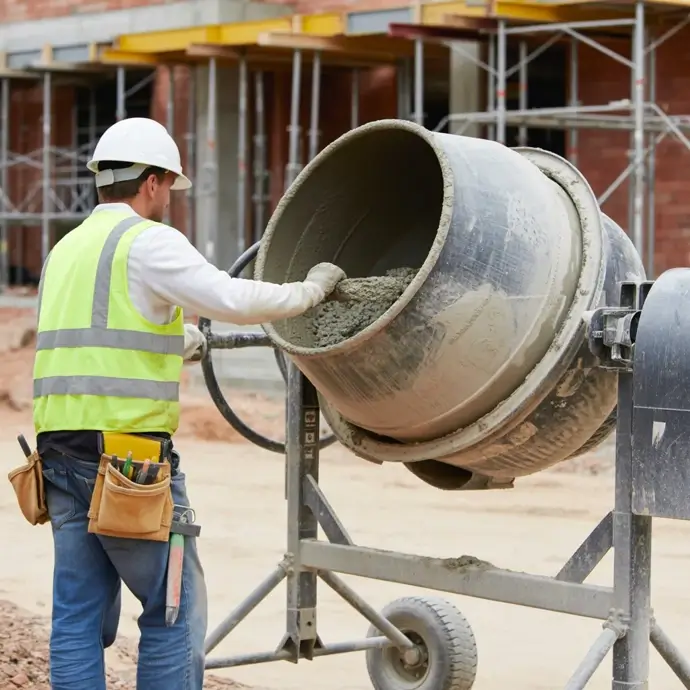


The Importance of Health & Safety for Bricklaying in the UK
Bricklaying is an important job that helps create buildings we use every day, from our homes to big businesses. Skilled bricklayers build these strong, safe structures. However, the work can be physically demanding and comes with certain risks, which is why making health and safety a priority is essential. This is not just a legal requirement; it’s also a moral responsibility. Ensuring a safe workplace is vital for protecting workers, supporting employers, and keeping the general public safe. When safety is prioritised, it helps prevent injuries, keeps work flowing smoothly, and promotes high-quality construction.
The Benefits of Health & Safety for Bricklaying:
- Protecting Workers from Harm
- Improving Efficiency and Productivity
- Ensuring Compliance with Regulations
- Promoting a Positive Workplace Culture
Ensuring health and safety in bricklaying is essential for both workers and the overall success of projects. By recognising and addressing potential dangers, construction companies can protect their teams, enhance productivity, and comply with regulations, all while building a reputation for quality work.
In essence, health and safety are fundamental to the bricklaying industry. They allow workers to do their jobs confidently and effectively. When safety is prioritised, the construction industry not only meets its legal duties but also cares for its skilled workers. This focus helps create a safer, more productive, and sustainable future for everyone involved.
Health & Safety for Bricklaying: Essential Guidance for a Safe Workplace
HSEDocs understands how important health and safety are, especially in physically demanding jobs like bricklaying. This skilled work is essential in construction, but it comes with its own set of dangers that need to be carefully managed. The following guide provides valuable information on health and safety in bricklaying, helping teams work safely and comply with UK laws. With over twenty years of experience, HSEDocs is a reliable partner in managing health and safety.
Bricklayers face risks every day, whether they’re on big commercial sites or smaller homes. Some of these risks include working at heights, lifting heavy materials, and being exposed to dust. Having strong health and safety measures is not just good practice—it’s also a legal requirement. HSEDocs provides the right tools and knowledge to keep the workforce safe, prevent accidents, and ensure that construction sites stay compliant and productive.
HSEDocs is committed to safety and offers a range of resources, including health and safety documents and online courses. These solutions are based on UK law and are easy to use, affordable, and efficient. Courses start at just £4.99, and you don’t need a subscription—just pay for what you need.
Understanding the Primary Health and Safety Risks in Bricklaying
Bricklaying involves important safety concerns that must be carefully managed. Knowing about these risks is the first step toward keeping everyone safe on the job. Some of the main dangers bricklayers face include injuries from lifting heavy materials, working on high surfaces, exposure to hazardous substances, and using various tools and equipment. It’s essential to recognise these hazards to ensure a safe working environment.
Manual Handling Injuries
Manual handling is one of the most common risks in bricklaying. Bricklayers regularly lift, carry, and place heavy bricks, blocks, and bags of mortar. Incorrect techniques or repetitive strain can result in musculoskeletal disorders, back injuries, and other long-term health problems. Effective Bricklaying H&S goes beyond simply advising workers to 'lift with their legs'.
- Use mechanical aids such as trolleys or hoists when possible.
- Stack materials close to the work area to minimise transportation distance.
- Implement team lifting for heavy or awkward loads.
- Provide regular training on correct manual handling techniques. The Manual Handling Certificate course is recommended.
- Encourage regular breaks and job rotation to prevent repetitive strain.
Working at Height Hazards
Bricklayers frequently work at height using scaffolding, ladders, or platforms. Falls from height are a leading cause of injury and fatality in construction. Effective health and safety protocols for working at height are essential.
- Ensure scaffolding is erected by competent persons, regularly inspected, and certified as safe.
- Provide safe access and egress, such as secured ladders or stair towers.
- Implement fall protection measures like guardrails, safety nets, or personal fall arrest systems.
- Train personnel in working at height. The Working at Height Certificate meets these requirements.
- Conduct thorough risk assessments for all tasks involving work at height.
Exposure to Hazardous Substances (COSHH)
Bricklayers are exposed to hazardous substances, including cement dust, silica dust from cutting bricks, and chemicals in admixtures or cleaning agents. Inhalation can lead to respiratory diseases, including silicosis, lung cancer, and asthma. COSHH regulations are a vital part of H&S in Bricklaying.
- Minimise dust generation with wet cutting, local exhaust ventilation (LEV), or less dusty materials.
- Provide suitable PPE, including respiratory protective equipment (RPE).
- Ensure good ventilation in enclosed spaces.
- Conduct regular COSHH assessments for all hazardous substances.
- Provide information, instruction, and training on risks and control measures.
Use of Plant and Equipment
Bricklayers use a variety of tools and machinery, including angle grinders, mixers, and lifting equipment. Each carries risks such as cuts, crushing injuries, entrapment, or electrocution.
- Regularly inspect, maintain, and ensure equipment safety.
- Provide specific training on the safe operation of tools and machinery.
- Implement lock-out/tag-out procedures for maintenance activities.
- Ensure all guards and safety features are in place and functional.
- Use appropriate electrical safety measures, such as RCDs.
Essential Health & Safety for Bricklaying: Documents and Training
Compliance with Bricklaying H&S regulations requires documenting risk management and ensuring sufficient workforce training. HSEDocs offers a comprehensive selection of health and safety documents and e-learning courses tailored to the construction industry.
Risk Assessments and Method Statements (RAMS)
RAMS are fundamental for any construction task. They define potential hazards, identify those at risk, and establish control measures to eliminate or reduce risks. For bricklaying, RAMS should cover:
- The specific environment, such as new builds, renovations, or working at height.
- Tools and equipment, including drills, mixers, and cutting devices.
- Materials like bricks, blocks, mortar, and chemicals.
- Work processes, such as manual handling, setting out, and working at different levels.
- Emergency procedures for accidents or unexpected events.
HSEDocs provides industry-specific RAMS packs for easy, compliant documentation.
COSHH Assessments
COSHH assessments are essential due to exposure to dusts and chemicals. These outline risks, control measures, health surveillance, and emergency procedures.
Health and Safety Policies
By law, businesses with five or more employees must have a written health and safety policy. This document states the organisation’s commitment to health and safety, roles and responsibilities, and risk management arrangements. HSEDocs offers pre-prepared policies to meet these requirements.
E-learning Training Courses
Key courses for bricklayers include:
- Manual Handling: This training is very important for employees because it teaches them how to lift and move things safely. By learning the right techniques for lifting, carrying, and lowering items, workers can avoid back and muscle injuries, making the workplace safer for everyone.
- Working at Height: This program focuses on the risks of working from elevated platforms, such as ladders and scaffolding. It helps employees understand how to stay safe while working at these heights by using the right equipment and following safety rules, reducing the chances of falls.
- Asbestos Awareness: This training informs employees about the dangers of asbestos, a material that can harm health if not handled properly. It teaches workers to recognise asbestos and protect themselves from exposure, helping everyone stay healthy and follow safety guidelines.
- Fire Awareness: This program focuses on workplace fire safety. It teaches employees to recognise fire risks, what to do in an emergency, and how to use fire safety equipment. Preparing workers for fire situations helps create a safer workplace for everyone.
- Basic First Aid: This training equips employees with essential skills to respond to workplace injuries and emergencies. By learning basic first aid, staff can respond quickly to a range of situations, from minor cuts to more serious accidents, potentially saving lives and ensuring a quicker response in emergencies.
Personal Protective Equipment (PPE)
Even with strong control measures, PPE is the critical last line of defence. Employers must provide suitable PPE, and employees must wear and properly maintain it.
Essential PPE for bricklayers:
- Head Protection: Safety helmets are mandatory to protect against falling objects and impacts.
- Eye Protection: Safety glasses or goggles are crucial when cutting bricks, mixing mortar, or during tasks with splashes or projectiles.
- Hand Protection: Durable gloves protect against cuts, abrasions, chemicals, and tool vibrations.
- Foot Protection: Safety boots with steel toecaps and midsole protection defend against crushing and puncture injuries.
- Hearing Protection: Ear defenders or plugs are necessary with noisy machinery such as mixers or angle grinders.
- Respiratory Protective Equipment (RPE): Suitable RPE (e.g., FFP3 masks) is vital for protection against dust inhalation.
- High-Visibility Clothing: Essential for visibility on active sites.