


Groundworks H&S: A Guide to Its Importance
Groundworks are the first steps in any building project and include digging, laying foundations, and ensuring the soil is stable. These tasks carry inherent risks, so ensuring workers' health and safety is critical. This means having clear strategies and rules in place to keep everyone safe and help the project run smoothly.
To prevent injuries and accidents during groundwork, it's essential to prioritise safety. This involves recognising the specific risks at each work site and making safety a part of everyday operations. With uneven land, heavy machinery, and potentially unsafe soil, it's crucial to stick to safety guidelines.
One of Groundworks' main health and safety priorities is hazard awareness and prevention. This includes maintaining tools and equipment in good condition, training workers on safety rules, and regularly inspecting the work area. By managing these aspects, companies can reduce risk and fulfil their legal and ethical responsibilities, ensuring worker safety and project success.
Making sure health and safety are a priority in groundworks isn’t just a good idea—it’s also required by law. Employers must protect their workers and anyone else affected by their operations. Ignoring safety measures can lead to severe injuries, even fatalities, as well as legal troubles, fines, and damage to the company’s reputation.
Key Elements of Effective Groundworks H&S
- Planning and Preparation: Before starting any construction work, it's important to carefully check the site. This includes assessing ground conditions, identifying any underground utilities, and identifying potential hazards. Detailed safety assessments and plans should be developed, and special permissions obtained for high-risk tasks.
- Safe Work Practices: To keep everyone safe while digging or working on-site, implement measures such as using proper supports or walls, ensuring safe access to and from areas, and protecting against falling objects. It's crucial to locate and mark any underground services, regularly check and maintain equipment, prevent falls from height, and be prepared for any confined-space work.
- Training and Skills: All on-site workers must have the appropriate training and skills to handle specific hazards, follow safe practices, and know what to do in an emergency.
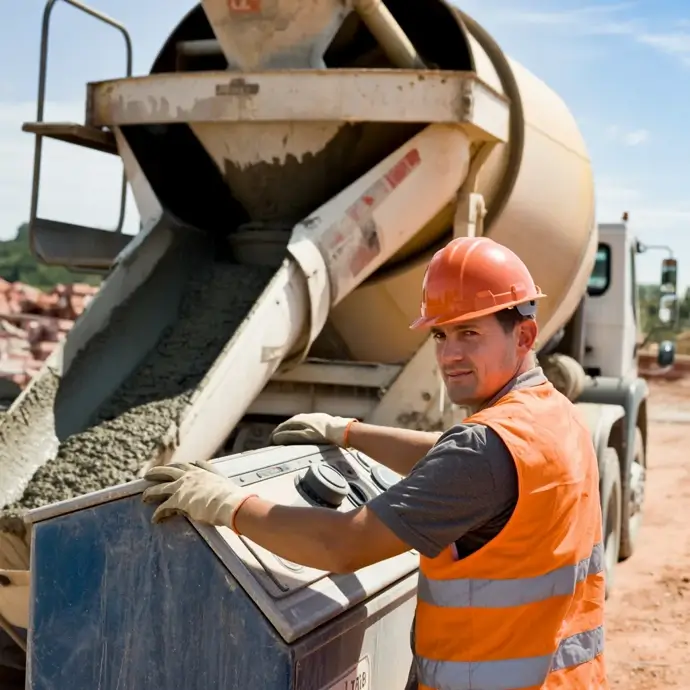
- Personal Protective Equipment (PPE): Workers must wear the right protective gear based on the risks involved. This includes hard hats, high-visibility jackets, sturdy footwear, gloves, and eye and ear protection to ensure everyone stays safe.
- Emergency Procedures: Establish and communicate clear emergency procedures, including first aid, accident reporting, and evacuation plans for incidents such as collapses, service strikes, or fire.
Impact on Worker Safety
These include things like unstable soil, heavy machinery, and tight spaces. To keep everyone safe, it’s vital to follow clear safety rules, communicate well, regularly check equipment, and use the right tools safely. Teaching workers to properly wear personal protective equipment (PPE) helps protect them from hazards such as falling objects and equipment malfunctions.
Planning ahead before any work starts is very important. By spotting potential risks in advance, teams can take steps to avoid accidents. For instance, ensuring trenches are properly supported and monitoring soil conditions can help prevent collapses. It’s also important to have trained supervisors on-site to ensure that everyone adheres to safety guidelines throughout the project.
Another major factor that can lead to accidents is fatigue or lack of focus, especially in physically demanding jobs. To help with this, it’s crucial to encourage regular breaks and limit the length of consecutive work sessions. Additionally, fostering a culture where workers feel comfortable sharing safety concerns without fear of retaliation can further enhance the work site's safety. By taking these safety measures seriously, we can support a strong workforce and ensure that projects run smoothly.
Training and Education
Proper training and education are essential to help workers stay safe when performing groundworks. A good training program should focus on the tasks workers will perform, the hazards they may face, and the safe use of equipment. It’s important for workers to learn how to identify weak soil, prevent cave-ins, and follow safety rules.
Hands-on training is particularly helpful because it allows workers to practice using tools and machinery under guidance, building their confidence and reducing the risk of errors. Additionally, online resources and interactive simulations can enhance traditional training, making learning more engaging and accessible. Employers should update their training regularly to keep up with new regulations and industry standards.
Supervisors and team leaders play a key role in reinforcing safety by coaching workers on the job and addressing any concerns quickly. Regular refresher courses are important for helping workers remember essential safety information, especially as projects become more complex or new technologies are introduced. Creating a culture of continuous learning encourages employees to prioritise safety and maintain productivity on the job.
Frequently Asked Questions
What is Groundworks H&S and why is it important?
Groundworks H&S refers to health and safety measures and regulations for groundwork operations in construction. It is crucial as these activities carry high risks, and proper management is legally required to protect workers and the public.
What are the common hazards in Groundworks?
Hazards include excavation collapses, falls, strikes with underground services, machinery accidents, exposure to hazardous substances, and manual handling injuries. Effective plans address these risks specifically.
Does HSEDocs offer specific training for Groundworks?
Yes, HSEDocs provides a range of online e-learning courses covering topics such as working at height, moving plant, and general site safety, starting at £4.99 and designed by experts.
How can HSEDocs help with Groundworks H&S documentation?
HSEDocs offers instant-download health and safety documents, including Groundworks H&S packs with risk assessments, method statements, and COSHH assessments tailored for typical activities.
Are HSEDocs' solutions compliant with UK laws?
Yes, all documents and courses are based on current UK laws and regulations, ensuring full compliance and reflecting over two decades of expertise.
Who needs training?
Anyone involved in groundworks—site managers, supervisors, operatives, contractors—requires appropriate training to understand risks and safe working practices.
How quickly can I get H&S documents from HSEDocs?
Documents are available for instant download after purchase, enabling quick access to essential documentation for deadlines and compliance.