
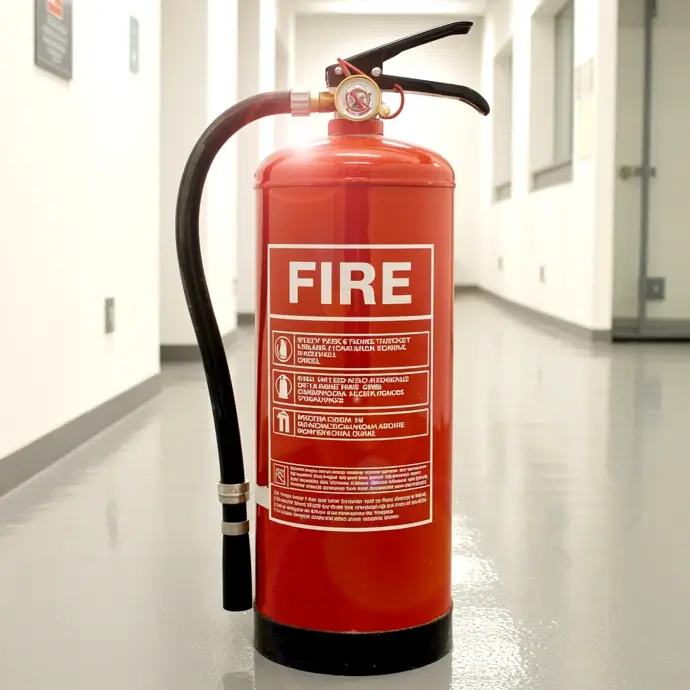


Comprehensive Fire Extinguisher Training for Workplace Safety
Ensuring a fire-safe workplace is not just a legal requirement, but a significant moral responsibility shared by everyone within an organisation. At HSEDocs, we understand the importance of robust fire safety systems, which involve both preventive measures and thorough fire extinguisher training. Our carefully developed courses are designed to provide employees with the knowledge and hands-on experience necessary to respond confidently and competently during a fire incident, helping to protect lives and limit property damage.
Why Fire Extinguisher Training is Essential for Your Business
Every business, regardless of its size or sector, faces the ongoing risk of fire. While fire alarms and sprinkler systems play crucial roles, the ability to tackle a small fire swiftly before it escalates is invaluable. Comprehensive training ensures your staff can act promptly, encouraging not just regulatory compliance but a culture of safety and preparedness throughout your organisation.
Legal Obligations and Best Practices
According to UK fire safety legislation, particularly the Regulatory Reform (Fire Safety) Order 2005 (FSO), employers must safeguard everyone on their premises. This includes providing adequate information, instruction, and training about fire precautions, particularly in the use of fire extinguishers. Meeting these requirements is not only a matter of compliance but also demonstrates a strong commitment to employee safety and responsible business conduct. Additionally, effective training can help reduce insurance premiums and enhance your reputation as a safety-focused employer.
A Step-by-Step Guide to Fire Extinguisher Training
Fire extinguishers are vital devices intended to control small fires quickly, preventing them from escalating into major emergencies. Their effectiveness depends on proper use, which requires understanding safe techniques and correct procedures. Training covers essential skills and knowledge for using these tools during emergencies, including identifying the correct extinguisher for each class of fire, mastering the PASS technique (Pull, Aim, Squeeze, Sweep), and recognising when to use or not use an extinguisher. This training significantly reduces the risk of injury and property damage, making it an indispensable part of any fire safety plan.
What Our Training Covers
Understanding Fire Classes
Fires are categorised into specific classes based on the material or substance that ignites. This classification helps determine the most suitable extinguisher and extinguishing method. Each class presents distinct hazards and demands a careful approach:
- Class A Fires: Involving common combustibles like paper, wood, cloth, and certain plastics. Water or foam-based extinguishers are effective, cooling the flames and reducing heat. Water should never be used for flammable liquids or electrical fires.
- Class B Fires: These are caused by flammable liquids such as petrol, oil, grease, and solvents. Carbon dioxide (CO2) or dry chemical extinguishers are recommended, as they suffocate the fire and suppress vapours.
- Class C Fires: These involve energised electrical equipment, including wiring and appliances. Non-conducting extinguishing agents such as CO2 or dry chemicals are essential to prevent electrical shock.
- Class D Fires: These are rare but hazardous and involve combustible metals such as magnesium, sodium, or titanium. Special dry-powder extinguishers are required, as standard agents are ineffective.
- Class Electrical Fires: Fires involving live electrical equipment, requiring non-conductive extinguishing agents, similar to Class C.
- Class F Fires (Class K): Typically found in kitchens, involving cooking oils and fats. Wet chemical extinguishers create a soapy layer that cools the fire and prevents re-ignition.
Choosing the correct extinguisher depends on accurately identifying the fire class. Using the wrong type may worsen the situation, such as using water on Class B or C fires, which can spread flames or cause electrical hazards. A thorough understanding of fire classes is essential for safe and effective fire response.
A tailored Approach
HSEDocs offer specialised fire awareness training options tailored to your working environment. These are:
- Fire Awareness Construction Certificate: Addresses hazards specific to construction sites and covers mitigation practices.
- Fire Awareness Hotel Certificate: Addresses hotel fire safety, including evacuation and response protocols.
- Fire Awareness Office Certificate: Covers office and homeworker fire risks, prevention, and awareness strategies.
- Fire Awareness Restaurant Certificate: Targets kitchen area risks.
- Fire Awareness Shop Certificate: Provides retail-specific safety strategies and risk assessment protocols.
Steps for Proper Use
Effective use of a fire extinguisher requires a systematic approach. The PASS method provides a simple guide:
- Pull: Remove the safety pin near the handle to unlock the mechanism.
- Aim: Point the nozzle or hose at the base of the fire to target the source.
- Squeeze: Squeeze the handle to release the extinguishing agent, maintaining steady pressure.
- Sweep: Sweep the nozzle side-to-side across the base of the fire until the flames are out or the extinguisher is empty.
Maintain a safe distance, but approach closer if needed for accuracy. Be watchful for reignition and prepared to continue extinguishing as necessary. Familiarity with these steps reduces hesitation in an emergency, and regular practice is key to effective fire management.
When to Use a Fire Extinguisher and When to Evacuate
Knowing when to use a fire extinguisher and when to evacuate is just as important as knowing how to operate one. Our training covers decision-making processes, such as assessing fire intensity and spread, confirming a clear escape route, and understanding the limitations of different extinguisher types. Above all, personal safety is prioritised.
The courses also teach broader fire safety principles, including:
- Recognising fire hazards such as electrical faults, flammable materials, and poor storage.
- Understanding evacuation procedures for a quick and organised exit.
- Call emergency services immediately to ensure a professional response.
- Regular inspection and maintenance of fire safety equipment, including fire extinguishers.
Flexible and Cost-EffectiveTraining Solutions
HSEDocs offers high-quality e-learning fire extinguisher training that is affordable and accessible to all organisations. Our efficient approach ensures your team receives essential training with minimal disruption and cost.
As an approved supplier to central government and the public sector, we guarantee the quality and compliance of our courses. We provide tailored fire awareness courses for different environments, including construction sites, hospitality venues, and offices. Specialised certificates target the unique fire hazards in these industries.
Benefits of HSEDocs’ Online Training
- Instant Access: Start training immediately after purchase.
- Flexibility: Complete courses at your own pace, suitable for busy schedules.
- Cost-Effective: High-quality training from just £4.99, avoiding the expense of in-person sessions.
- Comprehensive Content: Materials updated regularly to meet regulations and best practices.
- Certification: Receive a printable certificate valid for one year upon completion.
- Trackable Progress: Organisations can monitor participant completion for accountability.
Why Choose HSEDocs for your Training?
Choosing HSEDocs means partnering with a trusted provider dedicated to health and safety excellence. Our training is updated to reflect the latest regulations and best practices, ensuring relevance and effectiveness.
A dedicated support team is available via phone 0800 933 61 61 or by email for assistance with courses or health and safety services.
We also offer a wide range of online training on topics such as manual handling, food hygiene, modern slavery and equality and diversity, plus a comprehensive library of downloadable health and safety documents, including risk assessments, method statements, COSHH assessments and RAMs packs.
Our ISO 9001 and ISO 27001 certifications demonstrate our commitment to quality management and information security. With a Google rating of 4.8 stars from 531 reviews, our clients praise our clear, informative content and outstanding customer care.
Invest in Safety, Invest in Peace of Mind
Do not wait for a fire incident to occur. Proactive training is key to building a safe and resilient workplace. Equip your employees with the skills and confidence necessary to protect themselves and your premises. Browse our extensive selection of fire awareness courses and take the first step towards a safer environment today.
Frequently Asked Questions
What is fire extinguisher training?
This training teaches individuals how to correctly identify different types of fires, select the appropriate fire extinguisher, and operate it safely and effectively using techniques like the P.A.S.S. method. It also covers when it's safe to fight a fire and when to evacuate.
Who needs training?
In the UK, employers have a legal duty under the Regulatory Reform (Fire Safety) Order 2005 to provide adequate fire safety training to their employees. This typically includes fire extinguisher training for designated fire wardens or any employee who may be expected to use an extinguisher in the event of a small fire.
How often should training be refreshed?
While there isn't a strict legal frequency for refresher training for all employees, it's generally recommended that fire awareness training be conducted annually or at least every two to three years. Fire wardens and others with specific fire safety responsibilities should definitely have annual refresher courses to ensure knowledge remains current and skills stay sharp.
Can the training be done online?
Yes, much of the theoretical knowledge involved in training, such as identifying fire types, understanding extinguisher classifications, and learning the PASS method, can effectively be delivered through online e-learning courses like those offered by HSEDocs. For practical hands-on experience, some organisations might supplement online learning with practical demonstrations or simulations.
What are the benefits of online training?
Online training offers flexibility, allowing employees to complete courses at their own pace and convenience. It's also typically more cost-effective than in-person training, reduces disruption to work schedules, and provides consistent content delivery across an organisation. Our courses start from just £4.99 and offer instant certification.
What types of fire extinguishers are there?
The main types of fire extinguishers are water, foam, dry powder, carbon dioxide (CO2), and wet chemical, each designed for specific classes of fire. Our training covers how to identify and use each type correctly.
What does P.A.S.S. stand for in fire extinguisher use?
P.A.S.S. is an acronym that describes the steps for using a fire extinguisher: Pull the pin, Aim at the base of the fire, Squeeze the handle, and Sweep the nozzle from side to side.