

An Asbestos Training Course Teaches What Asbestos Looks Like?
Asbestos is a naturally occurring mineral that was extensively utilised in a variety of building materials, including insulation, roofing shingles, floor tiles, and cement products, due to its fire-resistant properties and strength. Given that asbestos was widely used until its UK ban in 1999, there is a significant likelihood that homes constructed prior to this year may contain some form of asbestos. The challenge lies in the fact that asbestos is notoriously difficult to identify without proper knowledge and experience.
In this article, HSE Docs aims to provide you with essential information on recognising the various types of asbestos and understanding its characteristics.
In its raw form, asbestos is a group of naturally occurring silicate minerals characterised by their long, thin, fibrous crystals. Its appearance can vary significantly depending on the specific type. Generally, asbestos is categorised into six primary forms: chrysotile (often referred to as white asbestos), amosite (or brown asbestos), and crocidolite (blue asbestos), along with other less common variants.
Chrysotile is characterised by its silky, fine texture and is typically white or off-white in colour. Amosite, on the other hand, displays a coarser texture with hues ranging from brown to dark grey. Crocidolite stands out with its striking blue colour and is known for having the most slender and flexible fibres. Other types, such as tremolite, anthophyllite, and actinolite, which are less commonly encountered, can present in shades of green, white, or brown.
Asbestos can manifest in several forms, including fibrous bundles or woven mats, and its fibres can range in length from a few micrometres to several centimetres, further complicating identification. The texture may vary from smooth and silky to rough and coarse, depending on its form and source.
Asbestos in its natural state is never seen in the UK, as we have no asbestos mines, and naturally forming asbestos has never been discovered here. However, asbestos-containing materials (ACMs) are still prevalent in older buildings. Hence, there is a necessity for individuals to take an asbestos training course.
To learn more about asbestos safety, look at our blog, ‘Asbestos Regulations: Everything You Need To Know’.
Why Enrol in an Asbestos Training Course?
In its most natural state, asbestos is a mineral that can be found in a variety of colours, including blue, green, white, and brown, each corresponding to different types of asbestos. While asbestos-containing materials (ACMs) commonly found in buildings are often difficult to identify with the naked eye, certain conditions, such as damage or deterioration, may reveal the presence of asbestos fibres.
Minuscule asbestos fibres are typically integrated into building materials to enhance their durability and fire resistance. They can be present in various forms, sizes, and finishes, complicating their identification, especially when the materials are intact. As a general rule, when an ACM is intact, it poses absolutely no danger. However, when asbestos is disturbed or damaged, soft, microscopic fibres are released that pose significant health risks when inhaled, leading to serious respiratory issues and diseases such as asbestosis and mesothelioma.
In this article, we will thoroughly examine the most prevalent asbestos-based building and construction materials, detailing their characteristics, applications, and the potential hazards associated with them. We aim to inform readers about the distinctive features to recognise and use illustrative images to assist in identifying the various types of asbestos-containing materials commonly encountered.
To learn more about the topics covered, we recommend taking an asbestos training course.
What an Asbestos Training Course teaches about boards.
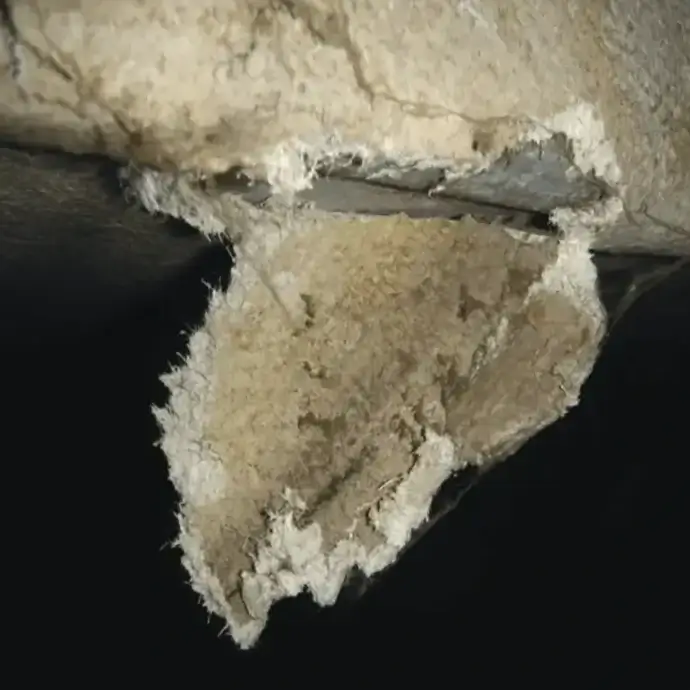
Asbestos boards vary significantly in their asbestos content and are composed of different types of fibres, each contributing to their unique characteristics. These boards can be found in a wide array of colours, with pink being particularly common. At first glance, asbestos insulation boards may closely resemble materials such as polystyrene or standard plaster and insulation boards; however, it is crucial to differentiate them due to the associated health risks. When these boards are disturbed—either through cutting, drilling, or dismantling—tiny asbestos fibres can be released into the air, posing a serious inhalation hazard to anyone in the vicinity or further afield as they remain airborne typically for 3 days. The airborne fibres are imperceptible to the naked eye but can lead to severe long-term health issues, including asbestosis, lung cancer, and mesothelioma. Therefore, recognising and handling asbestos boards with caution is essential to ensure safety and prevent exposure.
Here is more information:
| Asbestos content | 15-25% |
| Main asbestos type | Amosite (brown) asbestos |
| Main colours | Pink, Light/dark grey |
| Density | Medium to soft |
| Damage potential | Easy, high |
| Asbestos fibre release potential | High |
What an Asbestos Training Course teaches about Thermal Insulation.
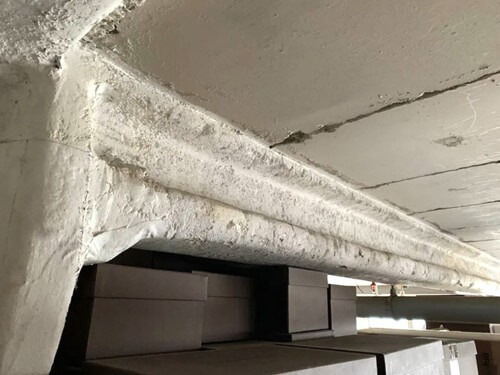
Asbestos thermal insulation is available in a diverse array of shades and finishes, resulting from a combination of various asbestos-based compounds. Understanding how to identify this specific type of asbestos is crucial for safety and health considerations.
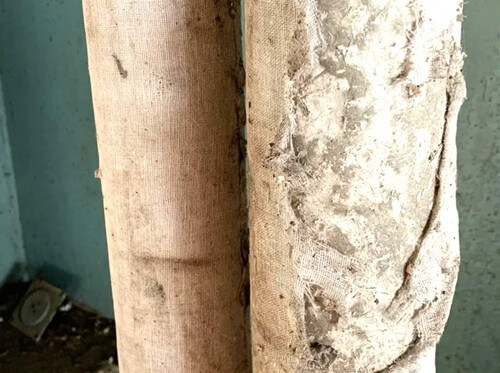
Typically, asbestos thermal insulation may appear in colours ranging from off-white to grey, often featuring a fibrous texture. You may find it applied to pipes, boilers, or ducts, where it serves to regulate temperature and prevent heat loss. The insulation might be encased in a layer of plaster or a protective coating that can further obscure its presence.
It’s important to note that asbestos can manifest in different forms, such as blankets, ropes, or loose fill. When examining older buildings, particularly those constructed before the 1980s, look for signs of deterioration, such as frayed edges or dust accumulation, which might indicate the presence of asbestos fibres.
For identification, professional testing is recommended if you suspect the presence of asbestos. Proper handling and removal should only be conducted by trained professionals to ensure safety and compliance with health regulations. Understanding these characteristics is essential for anyone involved in the renovation or maintenance of older structures.
| Asbestos content | 6-85% |
| Main asbestos type | Chrysotile (white), Amosite (brown), Crocidolite (blue) |
| Main colours | White, brown, grey and pink |
| Density | Very low and soft |
| Damage potential | Easy, high |
| Asbestos fibre release potential | High |
What is Sprayed Insulation?
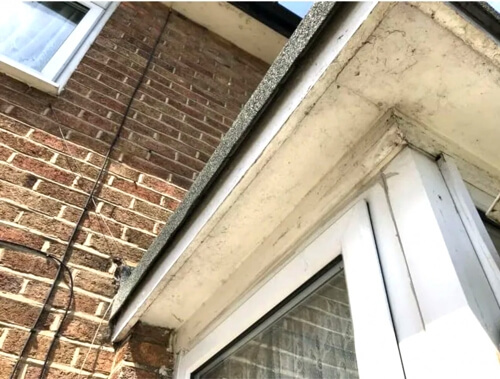
Asbestos-sprayed insulation exhibits significant variability in its asbestos content, incorporating a range of fibre types that contribute to its composition. This type of insulation is characterised by its diverse array of colours and finishes, which can vary widely depending on the specific application and formulation used. The fibres in these materials may include chrysotile, amosite, or crocidolite, each of which possesses distinct properties that influence the insulation's performance and appearance. The application process can yield a texture that ranges from smooth to rough, allowing for versatility in both aesthetic and functional use across various settings.
| Asbestos content | 55-85% |
| Main asbestos type | Chrysotile (white), Amosite (brown), Crocidolite (blue) |
| Main colours | White, brown, grey and pink |
| Density | Medium and soft |
| Damage potential | Very low and soft |
| Asbestos fibre release potential | High |
What are Asbestos Textiles?
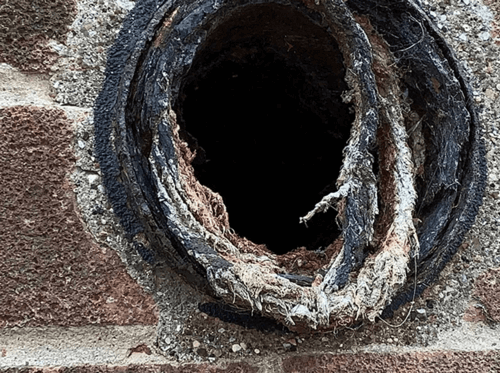
Asbestos textiles are materials that incorporate a variety of asbestos fibres, which are known for their heat resistance, tensile strength, and insulating properties. These textiles come in different forms, including fabric, yarn, and felt, and can be used in a wide range of applications, from industrial insulation to fireproof clothing.
It's essential to understand that asbestos fibres can be categorised into several types, such as chrysotile (white asbestos), amosite (brown asbestos), and crocidolite (blue asbestos), each exhibiting unique properties and risks. The appearance of asbestos textiles can vary significantly based on the manufacturing process and the specific type of asbestos used, often resulting in diverse textures, weights, and colours.
It’s crucial to recognise the health risks associated with asbestos exposure, including lung diseases and cancers. Proper safety protocols and regulations must be observed to prevent inhalation of airborne fibres during any handling or disposal processes.
| Asbestos content | Nearing 100% |
| Main asbestos type | Chrysotile (white) asbestos |
| Main colours | White |
| Density | Medium and soft |
| Damage potential | Easy, high |
| Asbestos fibre release potential | Medium |
Asbestos Paper and Its Uses
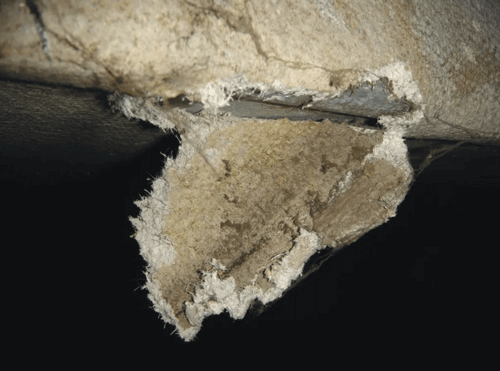
Asbestos paper was available in a variety of finishes and product forms, catering to diverse applications across industries. Typically, it features a distinctive paper-like texture and is commonly seen in shades of white or light brown. Its composition allows for excellent insulation and fire resistance, which makes it a popular choice in construction and manufacturing. The surface finish can range from smooth to textured, depending on its intended use, and it may also come in various thicknesses to suit specific requirements.
| Asbestos content | 100% |
| Main asbestos type | Chrysotile (white) asbestos |
| Main colours | White, light brown |
| Density | Low |
| Damage potential | High |
| Asbestos fibre release potential | Medium |
The Look and Feel of Vinyl Floor Tiles.
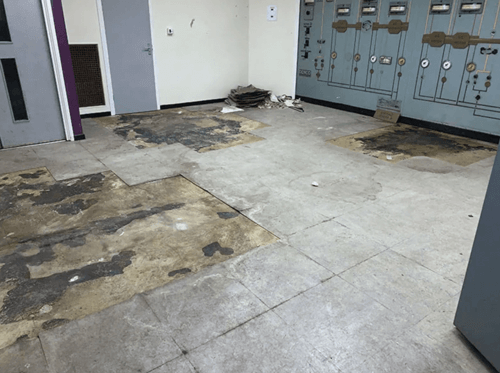
Asbestos vinyl flooring often resembles traditional linoleum or plastic floor tiles, presenting a similar texture and appearance. The surface of these vinyl tiles can feature a wide range of colours and intricate designs, making them visually appealing and versatile for various interior styles. However, beneath the glossy exterior, the underlayer of the flooring may exhibit a noticeable oily or dark discolouration, which can be indicative of the materials used in its production. This underlying colouration could be a result of the asbestos content combined with other compounds, potentially signalling the need for careful inspection, especially in older installations.
| Asbestos content | 2-20% |
| Main asbestos type | Chrysotile (white) asbestos |
| Main colours | N/A |
| Density | Low |
| Damage potential | Low |
| Asbestos fibre release potential | Low |
Learn more about Textured Coatings on an Asbestos Training Course
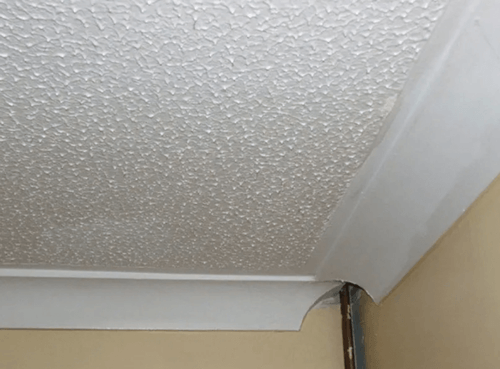
Also referred to as Artex or popcorn ceiling, asbestos-textured coatings are characterised by their distinct, bumpy appearance, resembling a textured paint finish. The unique texture not only serves aesthetic purposes but also helps in reducing noise within a space, making it a popular choice in many homes and commercial buildings throughout the mid-20th century. However, it is essential to note that many of these coatings may contain asbestos, a hazardous material that poses serious health risks when disturbed.
The specific look of these coatings can vary significantly based on the desired decorative effect, such as the height of peaks or the complexity of patterns. The current materials used for textured coatings include finishing plaster and Artex. The advantage of using Artex is that it dries to a brilliant white, and unlike plaster finishes, it requires no painting.
Numerous textured coatings that were applied before the UK asbestos ban in 1999 may contain asbestos fibres. These materials were commonly used in various applications, including wall finishes and ceilings. Unfortunately, there is no straightforward method to determine which specific coatings are hazardous without conducting a thorough analysis of samples in a certified laboratory. Such testing is essential to identify the presence of asbestos, as even a small amount can pose significant health risks. Therefore, property owners and contractors should exercise caution when dealing with older textured coatings and consider professional assessment before undertaking any renovation or repair work.
| Asbestos content | 3-5% |
| Main asbestos type | Chrysotile (white) asbestos |
| Main colours | Mainly white |
| Density | Low |
| Damage potential | Low |
| Asbestos fibre release potential | Low |