
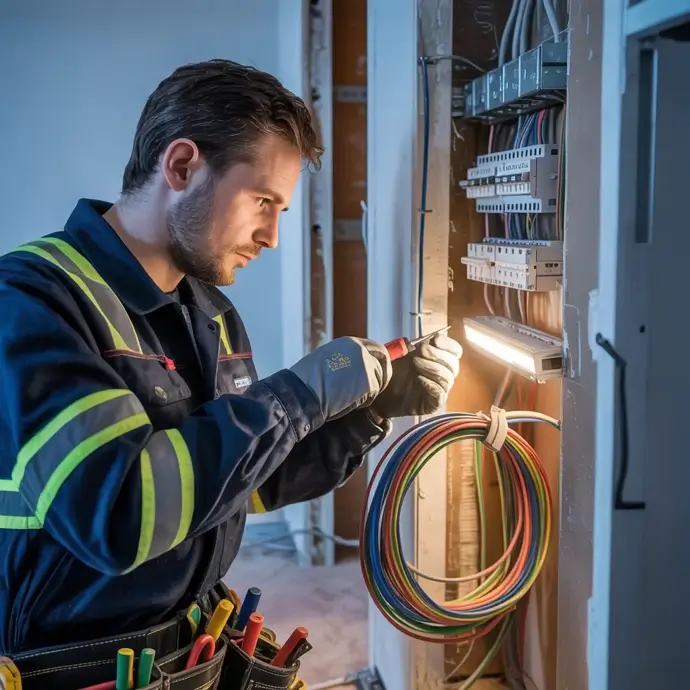


Health and Safety for Electricians in the UK
The need for health and safety in electrical work stems from both ethical considerations and legal obligations. Electricians often work in various settings, including homes, businesses, and factories, where accidents can occur if proper safety measures aren’t in place. They deal with high-voltage systems, live wires, and sometimes even hazardous materials. Ignoring safety protocols can endanger lives, damage property, and lead to legal problems for both workers and their employers.
In the UK, there are strict laws designed to ensure workplace safety, and electricians must stay up to date with these regulations. Employers are also responsible for ensuring that their work environments are safe. Prioritising health and safety goes beyond simply following rules; it involves creating a culture of vigilance and care that protects everyone involved.
Key Risks Faced by Electricians in the UK
Electricians face various risks in their everyday work that can lead to physical harm, emotional stress, and financial issues. It's important to understand these risks to stay safe. Here are some of the main dangers they encounter:
- Electrical Shocks and Burns: Electricians work with live wires and electrical systems, which can cause shocks or burns. Even small amounts of electricity can be harmful, while high voltage can be deadly. Burns from electrical fires or explosions can cause severe injuries that require a lot of medical attention.
- Falls from Heights: Many electricians work on ladders, scaffolding, or rooftops, putting them at risk of falls. These falls can lead to serious injuries like broken bones, head injuries, or damage to the spine, especially if safety measures aren’t followed.
- Exposure to Hazardous Materials: Sometimes, electricians work in environments containing hazardous materials, such as asbestos or lead. Being around these materials for a long time can lead to serious health problems, including lung diseases that can be life-threatening.
- Muscle and Joint Injuries: The physical demands of the job—like lifting heavy objects or working in uncomfortable positions—can cause back pain, joint issues, and injuries from repetitive movements, especially when they don’t use proper techniques or tools designed to prevent strain.
- Fires and Explosions: Poorly installed wiring or flammable materials can lead to fires or explosions, endangering lives and property. It's crucial for electricians to carefully inspect their work environment before starting work to prevent dangerous situations.
Legal Requirements for Health and Safety in the UK
In the UK, there are clear rules on keeping workplaces safe and healthy that apply to both employers and employees. The main piece of legislation is the Health and Safety at Work Act 1974. This law requires employers to provide safe working environments and expects employees to take care of their own safety and that of their coworkers.
For electricians specifically, there are strict rules requiring them to assess risks, receive proper training, and use the appropriate safety gear. This gear, known as personal protective equipment (PPE), includes items like insulated gloves, safety goggles, flame-resistant clothing, and hard hats. Electricians must follow safety procedures carefully and report any hazards they see.
One important regulation is the Electricity at Work Regulations 1989, which focuses on electrical safety. It states that electrical systems must be designed and maintained to prevent hazards, and that only qualified individuals should work with electricity.
Additionally, the Construction (Design and Management) Regulations 2015 set out the rules for construction sites and who is responsible for safety on those sites. There are also regulations governing the handling of dangerous substances, known as the Control of Substances Hazardous to Health (COSHH) Regulations 2002.
Best Practices for Ensuring Health and Safety
Staying safe and healthy at work requires both prevention and quick responses to problems. Here are some important practices to follow:
- Use PPE: Always wear the right protective equipment for the job. Check your equipment regularly and replace anything that is damaged immediately.
- Keep Learning: Attend regular training sessions to stay current on safety rules and new technologies. This includes knowing what to do in case of an emergency.
- Identify Risks: Before starting any task, think about the potential dangers. Consider factors such as the condition of the equipment, your work environment, and any hazardous materials you might encounter.
- Follow Safety Procedures: Stick to safety guidelines. This includes turning off equipment before working on it, using non-conductive tools, and avoiding work on live electrical systems when possible.
- Stay Organised: Keep your workspace tidy and organised. Ensure tools are stored properly, and pathways are clear to prevent accidents.
- Work Together: Communicate clearly with your teammates to coordinate your activities and minimise risks.
The Role of Training and Certification in Health and Safety
Training and certification are crucial for maintaining health and safety in the electrical field. A thorough training program covers key topics such as electrical safety, hazard recognition, and emergency procedures. Apprenticeships provide hands-on experience under the guidance of experienced professionals, which complements classroom learning.
It's also important for electricians to keep learning as technology and regulations change. Attending refresher courses and workshops helps them stay up to date and competitive in their field. Certifications, such as the NVQ Level 3 Diploma and credentials from organisations such as NICEIC or the Electrical Contractors’ Association (ECA), demonstrate an electrician's skills and commitment to safety. Some certifications even include health and safety tests.
Knowledge is essential to ensuring electrical safety. Our online courses provide easy access to training that builds understanding and skills. Each course is designed to be engaging and straightforward, concluding with a completion certificate. Core topics include:
- Asbestos Awareness: Identifying asbestos near electrical work. Critical in older buildings where electrical systems may be co-located with asbestos.
- Manual Handling: Safe lifting techniques. Important for moving heavy electrical equipment safely.
- Working at Height: Ladder safety. Essential for electrical work in elevated areas.
- Slips, Trips, Falls: Clear walkways, cable management. Reduces hazards around electrical equipment and cabling.
- First Aid Basics: Response to shocks and burns. Crucial for immediate care in workplace accidents.
H&S Electrical Documents for Your Business
Electrical Risk Assessments: This involves identifying potential hazards, assessing the risks they pose, and determining ways to minimise or eliminate them. Using templates can help track everything, list key safety precautions, and ensure safety measures are reviewed regularly.
Method Statements: These step-by-step guides outline how to safely perform electrical work. They highlight potential risks at each stage of the task and explain how to manage them. Templates can help maintain consistent safety practices across different teams working on similar tasks.
COSHH Assessments: Assessing and managing the risks associated with substances used in electrical work, such as solvents and adhesives. Following these assessments helps ensure compliance with health regulations and protects workers from harmful effects.
Health & Safety Policies: These policies express the organisation’s dedication to maintaining a safe working environment for everyone. They outline team members' responsibilities and detail how to manage health and safety effectively, including special considerations for electrical work. Templates can help make sure that all relevant safety points are covered.
RAMs: The all-in-one solution of Risk Assessment and Method Statements (RAMS) is essential in construction for site safety, legal compliance, and efficient operations. They identify hazards, outline controls, and provide clear procedures to prevent accidents and delays. Together with COSHH Assessments, these documents are commonly referred to as RAMs, and electrical RAMs are available to download from HSEDocs as a single package.
Frequently Asked Questions
Why iscompliance so important?
It prevents accidents such as shocks, burns, fires, and explosions, protects workers, reduces liabilities, ensures operational continuity, and fulfils legal requirements.
What are the key H&S regulations in the UK?
Principal regulations include the Electricity at Work Regulations 1989, the Health and Safety at Work etc. Act 1974, and the Provision and Use of Work Equipment Regulations 1998 (PUWER).
How can professional resources help with H&S documentation?
They provide a wide range of editable documents, including risk assessments, method statements, and health & safety policies tailored for electrical compliance, available for instant download.
Are e-learning courses accredited?
Courses are developed by health and safety experts to meet industry standards, with certification upon completion verifying competence.
How often should risk assessments be reviewed?
Risk assessments should be reviewed regularly, particularly if procedures change, new equipment is introduced, or an incident occurs; an annual formal review is usually recommended.