


What Is The Procedure If I Suspect I’ve Exposed Myself To Asbestos?
If you think you might have come into contact with asbestos, it’s very important to act quickly to protect your health. Here’s what you should do to keep yourself safe:
Steps to Take Right Away
- Stop What You're Doing and Leave: If you suspect you’ve been around asbestos, stop what you’re doing and leave the area immediately. This will help you avoid inhaling any harmful particles in the air.
- Don’t Spread It: Avoid doing anything that might stir up dust, like shaking out your clothes or brushing off surfaces. This can release tiny asbestos fibres into the air, making them easier to inhale.
- Don’t Clean It Up: Don’t try to clean the area with a regular vacuum or brush. These tools can make the problem worse by sending fibres flying around. Only trained professionals should clean up asbestos.
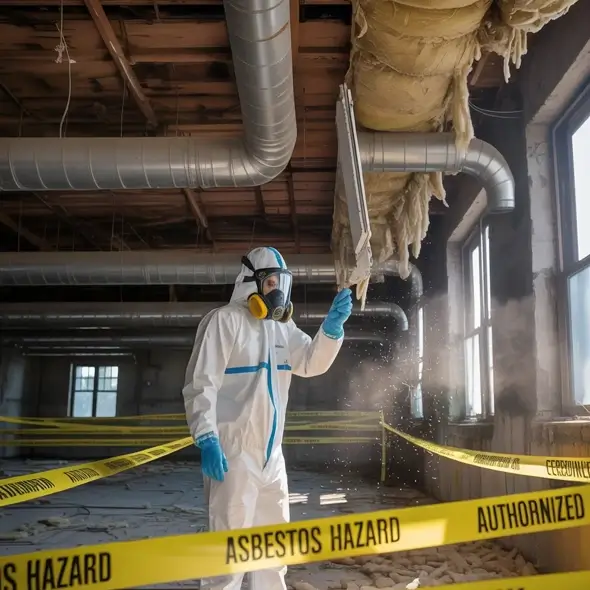
- Block Off the Area: If possible, set up a barrier using tape or signs to keep others out until a specialist arrives to assess the situation.
Decontamination
- Take Off Your Clothes: Carefully remove any clothing that may have come into contact with asbestos. Don’t pull clothes over your head, as this could increase your risk of inhalation.
- Bag the Clothes: Put all potentially contaminated clothing and shoes into a sealed plastic bag. Treat them as hazardous waste—check with local authorities for the best way to dispose of them safely.
- Shower and Clean Up: Take a shower, then wash your hair with soap and water. Make sure to clean areas of your skin where fibres might have landed.
Reporting and Documentation
- Notify Someone: If this happened at work, tell your boss, site manager, or whoever is in charge right away. They need to know so they can keep everyone safe.
- Keep Records: Record all details of the incident, including the date, time, and location. Also, note what you encountered and how long you were there. This information can be valuable for future health follow-ups.
- Get an Assessment: If the exposure happened at home, contact your local environmental health department or a licensed asbestos professional to evaluate the situation.
Seek Medical Advice
- Talk to Your Doctor: Let your general practitioner (GP) know about your potential exposure to asbestos. The more details you provide, the better they can assess your situation and suggest any necessary tests.
- Document the Incident: Ask your doctor to write down the incident in your medical records, including the date and level of exposure, which could be important for your health in the future.
- Watch Your Health: Be aware that symptoms of asbestos-related diseases may not appear for many years. If you notice any issues, such as trouble breathing, a persistent cough, or chest pain, see a doctor right away.