


Understanding the most common food allergies: what you need to know
At HSEDocs, we know how important health and safety are in our daily lives, especially when it comes to food. Food allergies are becoming more common among people, families, and businesses across the UK. It's important to understand the most common food allergies so we can prevent problems, manage allergies effectively, and follow safety rules.
As a trusted supplier to the government and public services, we aim to provide straightforward and clear information. This guide will help you learn about the most common food allergies, how they can affect people, and what steps you can take to create a safe environment, whether at home or at work. We offer comprehensive e-learning courses, like our Allergen Training (Factory) certificate or Allergen Training (Restaurants) certificate, starting from just £4.99, to equip you with the knowledge needed to handle these challenges effectively.
What exactly is a food allergy?
A food allergy happens when your body's defence system mistakenly thinks a harmless food protein is dangerous. As a reaction, your body produces substances that try to fight off this "threat," which can lead to various symptoms, from mild discomfort to serious reactions that can be life-threatening, known as anaphylaxis.
It's important to understand that food allergies are different from food intolerances. Food intolerances don't involve the immune system and are usually less severe.
Knowing the difference between these two is the first step in keeping yourself safe. For businesses, especially in the food industry, it's crucial to recognise the signs of food allergies and know how to handle them. This isn't just a good idea—it's also a legal and ethical duty to protect customers’ health. Our food safety courses cover these vital distinctions in detail.
The big eight
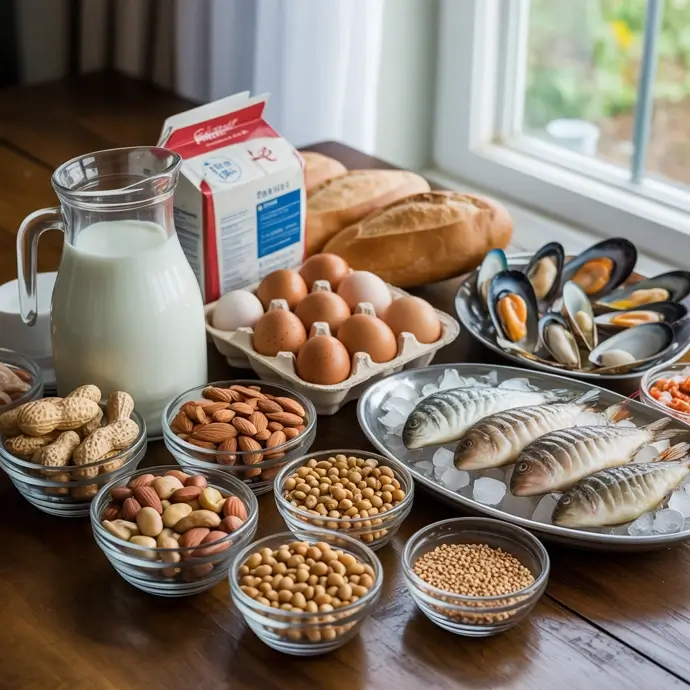
While an individual can be allergic to any food, a select group of foods accounts for the vast majority of food allergies. These are often referred to as the "Big Eight" or "Major Eight" allergens. In the UK, regulations also highlight the importance of understanding 14 specific allergens. Here at HSEDocs, we focus on providing practical knowledge to help identify and manage these risks.
Let's take a closer look at the big eight:t
1. Peanuts
Peanut allergy is a well-known condition that can be very serious. Even small amounts of peanuts can trigger a dangerous reaction in some people. It's important to know that peanuts are actually legumes, not tree nuts, and they can be found in many unexpected foods, including candies and sauces.
When someone has a peanut allergy, their body reacts negatively to the proteins found in peanuts. This allergy is one of the leading causes of severe allergic reactions. Because even tiny traces of peanuts can cause problems, it's crucial for those affected to avoid eating peanuts altogether and to be careful about cross-contamination, where peanuts might accidentally mix with other foods. Peanuts can show up in various products, like baked goods, candies, sauces, and snacks, so reading labels carefully is essential.
For people with a peanut allergy, finding safe food alternatives can make meal planning simpler. Options like sunflower seed butter or tahini can provide similar flavours and textures without the risks that come with peanuts. When buying packaged foods, look for labels that say it's peanut-free or that it was made in a peanut-free environment.
Additionally, it's important to be careful in shared cooking spaces. Clean utensils, cutting boards, and other kitchen tools thoroughly to avoid accidental contact with peanuts. When eating out, it's vital to inform restaurant staff about the allergy to avoid hidden ingredients or cross-contact during food preparation.
In homes where others eat peanuts, it's best to keep those items stored separately and clearly labelled to prevent accidental consumption. Schools, workplaces, and community areas may also have peanut-free policies to help protect those with allergies. Staying alert and communicating clearly are key to managing the daily risks linked to peanut exposure.
2. Tree Nuts
This category includes a wide variety of nuts, such as almonds, walnuts, hazelnuts, cashews, pistachios, and Brazil nuts. Reactions can be similar to those seen in peanut allergies, and cross-contamination is a significant concern in food preparation. It's important to note that an allergy to one type of tree nut doesn't necessarily mean an allergy to all tree nuts, but caution is always advised.
Tree nut allergies are triggered by nuts such as almonds, cashews, walnuts, and hazelnuts. Exposure can lead to a variety of symptoms, including hives, swelling, digestive issues, or severe reactions such as anaphylaxis. Many pre-packaged foods, desserts, and spreads may contain tree nuts or be produced in facilities where cross-contact is possible, making careful label reading essential.
For those with this allergy, exploring seed-based options can help provide similar flavours and textures in cooking and baking. Sunflower seeds, pumpkin seeds, or seed-based spreads are excellent substitutes and widely available. Additionally, certain types of oils, such as avocado or olive oil, can be used in place of tree nut oils when preparing meals.
When dining out, notifying restaurant staff about the allergy is crucial, as tree nuts may be hidden in sauces, garnishes, or dessert toppings. Many restaurants now offer allergen information, which can help with menu selection. Home kitchens should also be organised to minimise exposure, with designated storage spaces and thoroughly cleaned utensils and cookware.
Parents or caregivers managing a child’s tree nut allergy should inform schools and carers about the condition to help prevent accidental exposure during meals, snacks, or classroom activities. Clear communication and proactive planning are key to safely managing this allergy.
3. Milk (Cow's Milk)
Cow's milk allergy is quite common, especially in babies and young children, but many eventually outgrow it. The symptoms can vary a lot; some kids may experience stomach problems or skin rashes, while others might have trouble breathing. Milk is everywhere—it's in dairy products, baked goods, and even some types of processed meats.
A milk allergy happens when the body’s defence system mistakenly reacts to the proteins in cow's milk. This can lead to symptoms such as hives, swelling, or more serious issues, such as difficulty breathing and tummy aches. If someone has this allergy, it’s really important to avoid milk and anything made with it to prevent reactions.
If you're managing a milk allergy, finding alternatives is important. There are plenty of plant-based milk options available, such as almond milk, soy milk, oat milk, and rice milk, which can be used instead of cow's milk in cooking and drinks. You can also find dairy-free cheeses, yoghurts, and spreads that make it easier to handle dietary restrictions. Just remember to read ingredient labels carefully, as milk products can show up in unexpected places, like in baked goods, snacks, and even some non-food items.
When you’re cooking at home, make sure your tools and surfaces are clean and free of milk residue to avoid accidental exposure. If you're eating out, it’s a good idea to let the restaurant staff know about your milk allergy so they can help keep your meal safe from cross-contact.
4. Eggs
Egg allergies are common, especially in young children. Both the white and the yolk of eggs can trigger allergic reactions in some people. Since eggs are a common ingredient in many foods we eat, like baked goods and sauces, it’s important to check labels carefully. If you are managing allergies in a workplace, our Food Safety Level 2 certificate offers helpful tips on handling allergens safely.
An egg allergy happens when the body's immune system reacts to proteins found in eggs. This can lead to symptoms like skin rashes, a stuffy nose, stomach troubles, or, in serious cases, more severe reactions. Because eggs are used in many foods, it’s important for those with an egg allergy to read ingredient labels and be careful when preparing meals.
For people who can’t eat eggs, finding substitutes is important to ensure they have a tasty and balanced diet. In baking, you can use alternatives like unsweetened applesauce, mashed bananas, or a mixture of ground flaxseed and water instead of eggs. There are also commercial egg replacements available in stores that work well in recipes.
When dining out or buying packaged foods, it’s essential to be cautious. Some foods you might not expect, like certain types of pasta, dressings, and even some fancy coffees, can contain egg ingredients. Asking questions at restaurants and checking allergen information on products can help prevent unexpected reactions.
If you’re cooking at home, make sure to wash utensils, bowls, and any kitchen tools thoroughly to prevent eggs from getting mixed into other foods. This helps keep meals safe for those with allergies.
5. Wheat
A wheat allergy is a common condition that is different from another issue called coeliac disease, which is an autoimmune response to gluten. Wheat is a common ingredient in many foods, such as bread, pasta, cereals, and various processed items. People with a wheat allergy can experience symptoms such as an upset stomach, skin rashes, and breathing problems.
This allergy occurs when the body’s immune system reacts to certain proteins found in wheat. The symptoms can vary, but may include skin reactions, a stuffy nose, tummy troubles, or more serious issues like trouble breathing. Since wheat is in many everyday foods, it’s important for those with this allergy to be careful when choosing what to eat. Wheat is often found in baked goods, pasta, cereals, certain sauces, and even some processed meats, so checking labels is essential.
If you’re cooking or baking, there are plenty of wheat-free flour options available, such as rice flour, almond flour, and coconut flour, which can help you create similar textures in your recipes. You can also try using other grains, such as quinoa, millet, and oats (as long as they are certified gluten-free), as substitutes for wheat.
When dining out, it’s really important to let the restaurant staff know about your allergy to avoid dishes that might contain wheat as an ingredient or thickener. There’s also a risk of cross-contamination in shared cooking spaces, so don’t hesitate to ask how food is prepared. Always check labels on pre-packaged foods for allergen warnings, as wheat can sometimes be hiding in unexpected items like sauces, dressings, or candy coatings. Keeping your home kitchen organised by separating wheat-containing foods from allergy-friendly options can also help prevent accidental exposure.
6. Soybeans
Soy allergies are quite common in babies and young children, though many eventually outgrow them. Soy is found in many processed foods, such as tofu, soy milk, miso, and various sauces. It can also be a hidden ingredient in many vegetarian and vegan items.
A soy allergy happens when the body’s immune system reacts to the proteins in soybeans and soy products. Symptoms can range from skin rashes and stomach pain to serious, life-threatening reactions. Because soy is present in so many foods, it’s important to be careful and check labels, as it might be listed under different names, like soy protein or soy lecithin.
If you're trying to avoid soy, you can use alternatives. For example, coconut aminos can be a good stand-in for soy sauce, and chickpea or nut-based products can work in certain recipes to give similar textures or flavours.
When eating out, let the restaurant staff know about your soy allergy and ask questions about what's in the food and how it’s prepared to avoid any risks. Cross-contact—where soy might accidentally get into food due to shared cooking spaces—is a real concern, so it’s important to ensure cooking tools are free of soy residues.
At home, keeping your pantry organised and using separate tools for allergen-free cooking can help create a safe space for preparing meals. With the right choices and some creativity, people with a soy allergy can still enjoy a wide variety of delicious foods while staying safe.
7. Fish
Fish allergy is more common in adults than in children, and for many people, it lasts a lifetime. Those who are allergic to fish can have serious reactions, which can include skin rashes, stomach issues, or even severe reactions known as anaphylaxis, which can be life-threatening. Even a small amount of fish exposure, such as breathing in steam or odours from cooking, can cause symptoms in very sensitive individuals.
This allergy isn't limited to a single type of fish; it can occur across different species. Many people may be allergic to specific types of fish, such as salmon, tuna, or cod. This means they need to be very careful not just about eating seafood, but also about being in places where fish is cooked or prepared. Since everyone’s fish allergy can be unique, it's important for individuals to understand their own sensitivities and what to avoid to stay safe.
8. Shellfish
Shellfish allergy is often lifelong and more common in adults. This allergy includes reactions to crustaceans such as crabs, lobsters, shrimp, and prawns, as well as shellfish such as mussels, oysters, and clams. People with this allergy can have serious reactions, and accidentally eating shellfish can be a big concern, especially when eating out.
This allergy usually happens because the body reacts to certain proteins found in shellfish. Symptoms can range widely; some people may experience skin issues like hives, stomach problems, trouble breathing, or even a severe reaction called anaphylaxis, which requires immediate medical help.
*For those who have a shellfish allergy, it’s very important to read food labels carefully. Shellfish can sometimes be hidden in unexpected foods, like broths, sauces, or flavourings. When dining in restaurants, cross-contact is another risk; this means that shared cooking equipment or cooking oils might accidentally mix with safe foods. It’s wise to talk to restaurant staff about how food is prepared to avoid these risks.
At home, taking precautions is crucial. Using separate pots, pans, and utensils for cooking foods that don’t contain shellfish can help prevent exposure. If you're cooking for someone with this allergy, make sure to check every ingredient and clean all kitchen surfaces thoroughly to reduce the chance of any mix-ups.
If you're looking for seafood flavours but need to avoid shellfish, there are alternatives like fish, seaweed, or plant-based products that can give a similar taste without the risks. Many stores now carry allergen-friendly options and seasonings that mimic the flavours of shellfish dishes while being safe for those with allergies.
The 14 specified allergens in the UK
In addition to the "Big Eight," UK food information regulations require businesses to identify and declare 14 specific allergens when they are used as ingredients. This comprehensive list helps protect consumers. At HSEDocs, our training materials align with these regulations, ensuring you have the most up-to-date information. These 14 allergens are:
- Celery
- Cereals containing gluten (wheat, rye, barley, oats)
- Crustaceans (prawns, crabs, lobster)
- Eggs
- Fish
- Lupin
- Milk
- Molluscs (mussels, oysters)
- Mustard
- Nuts (almonds, hazelnuts, walnuts, cashews, pecan nuts, Brazil nuts, pistachio nuts, macadamia nuts)
- Peanuts
- Sesame seeds
- Soybeans
- Sulphur dioxide/sulphites (at concentrations of more than 10mg/kg or 10mg/litre)
Symptoms of food allergies
Recognising the symptoms of the most common food allergies is essential for prompt and effective response. Symptoms can vary widely from person to person and even from one reaction to another in the same individual. They can appear almost immediately or within a few hours of exposure. Common symptoms include:
- Skin reactions: Hives, swelling (angioedema), redness, or eczema.
- Digestive problems: Nausea, vomiting, diarrhoea, abdominal pain.
- Respiratory issues: Wheezing, shortness of breath, nasal congestion, sneezing.
- Oral symptoms: Itching or tingling in the mouth.
- Cardiovascular symptoms: Dizziness, lightheadedness, faintness, drop in blood pressure (in severe cases).
- Anaphylaxis: Is the most severe allergic reaction and can be life-threatening. Symptoms of anaphylaxis can include difficulty breathing, a sudden drop in blood pressure, rapid pulse, dizziness, and loss of consciousness. It requires immediate medical attention, often with an epinephrine auto-injector.
Managing common food allergies in the workplace
For businesses, it's really important to handle the risks connected with common food allergies. This isn't just about keeping customers safe; it's also about looking out for your employees and building a trustworthy reputation. HSEDocs is committed to helping organisations maintain high health and safety standards. We hold certifications that demonstrate we meet international quality and information security guidelines, helping ensure our processes are effective and secure.
Here’s how businesses can effectively manage food allergy risks:
Staff training: Ensuring all staff, especially those involved in food preparation and service, are adequately trained on food allergies is non-negotiable. Our e-learning courses are designed to be fast, efficient, and cost-effective, with prices starting from £4.99. We offer specific Allergen Training for Restaurants and Allergen Training for Factories. Training should cover:
- Identifying the most common food allergies and their symptoms.
- Understanding cross-contamination risks and prevention.
- Correct allergen information labelling.
- Emergency procedures for allergic reactions.
- Clear communication and labelling
Communication: Businesses must clearly communicate allergen information to customers. This includes accurate ingredient lists, allergen matrices, and verbal communication from trained staff. For packaged foods, strict labelling regulations apply.
Preventing cross-contamination: This is arguably one of the biggest challenges for kitchens and food handlers. Separate equipment, utensils, and preparation areas should be used for allergen-free meals. Thorough cleaning protocols are also vital to prevent accidental exposure to the most common food allergies.
Emergency procedures: Having a clear, well-rehearsed emergency plan for allergic reactions, especially anaphylaxis, is crucial. This includes knowing how to administer an epinephrine auto-injector if trained and available, and contacting emergency services immediately.
Frequently Asked Questions
What are the most common food allergies people should be aware of?
The most common food allergies are often grouped into the "Big Eight": peanuts, tree nuts (like almonds, walnuts, cashews), milk, eggs, wheat, soy, fish, and shellfish. In the UK, regulations expand this to 14 specific allergens that businesses must declare.
How can I tell if I have a food allergy versus a food intolerance?
A food allergy is a serious condition in which the body’s immune system reacts to certain foods, potentially causing dangerous, even life-threatening, reactions very quickly. On the other hand, a food intolerance doesn’t involve the immune system and usually leads to digestive problems that are typically less severe and may take longer to appear. To help people better understand these differences, we offer allergen training courses, such as Allergen Training for Restaurants.
Is there a cure for the most common food allergies?
Right now, there is no cure for food allergies. The best way to handle them is to completely avoid the foods that cause problems. If someone accidentally eats the wrong food, there are medical treatments available to help manage the reactions.
What should a business do to manage food allergies effectively?
Businesses, especially those handling food, should implement comprehensive staff training, establish clear communication protocols for allergen information, prevent cross-contamination, and have robust emergency procedures in place. HSEDocs offers specific food safety and allergen training courses and downloadable risk assessments to help with this.
Are the 14 allergens in the UK the same as the "Big Eight"?
The "Big Eight" are commonly recognised globally as the most prevalent food allergies. The UK's 14 specified allergens include these, and further extend the list to ensure broader protection for consumers under food information regulations, adding celery, cereals containing gluten, lupin, mustard, and sulphites.
How can I train my staff on the most common food allergies and their safe handling?
HSEDocs offers high-quality, cost-effective e-learning courses specifically designed for allergen training in various settings, starting from just £4.99. These courses provide essential knowledge on identifying allergens, preventing cross-contamination, and responding to allergic reactions. You can find more information on our courses page.