
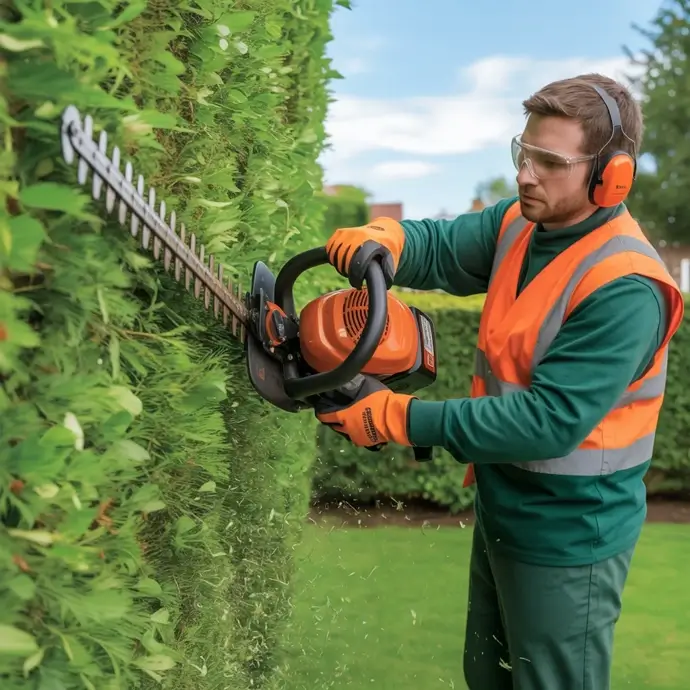


Gardening H&S: your guide to safe and compliant operations
Welcome to HSEDocs! We believe that gardening should always go hand in hand with keeping everyone safe and healthy. Whether you love gardening at home, run a small landscaping business, or manage a large garden operation, using smart health and safety practices is crucial. It helps protect you, your team, and everyone else involved. With over 20 years of experience in health and safety, our goal at HSEDocs is to help you easily follow the rules and make gardening a safer, more enjoyable activity.
While gardening may seem relaxing, it can actually have many hidden dangers. From sharp tools and heavy machinery to harmful chemicals and the risks of repetitive movements, it's important to plan ahead and stay aware of these risks. We want to provide you with the right information and resources to help you identify, assess, and manage these dangers effectively.
We are proud to be ISO 9001 certified, which means we meet high standards for quality in our services and materials. All our expert guidance is based on UK laws, so you can trust that it is up-to-date and reliable.
Creating a safe gardening environment doesn't just help prevent accidents—it also fosters a culture of well-being and productivity. For individuals, following good health and safety practices means fewer injuries, less time off, and a more enjoyable gardening experience. For businesses, it helps fulfil legal requirements, lower insurance costs, build a good reputation, and ultimately create a more sustainable and profitable operation. The Health and Safety Executive (HSE) emphasises the importance of managing risks, and this applies to gardening as well.
Gardening involves a range of activities, from pruning and mowing to handling chemicals, digging, lifting, and working in various weather conditions. Each task comes with its own set of risks that need careful attention. We understand these challenges and offer resources to help you tackle them, no matter the scale of your gardening project.
Health and safety are vital in every gardening activity to ensure gardeners work in a safe environment. Recognising potential hazards and taking steps to reduce them can prevent many common issues. For example, improper use of pesticides can lead to serious health problems, while repetitive movements or lifting heavy items can cause physical strain. This highlights the importance of doing tasks carefully.
We also need to think about the environment when gardening. Uneven ground, sharp tools, and changing weather can all affect safety. By being aware of these risks, gardeners can stay alert and reduce the chance of accidents. Properly using and maintaining tools is essential to avoid injuries or tool failures.
Spending long hours outdoors means increased exposure to the sun and the risk of heat-related issues. It's important to protect yourself from UV rays and stay hydrated. Additionally, be mindful of allergens or irritants that may come from plants and soil.
Lastly, having the right safety gear available for each task provides extra protection against potential injuries or health concerns. By staying alert, prepared, and informed, gardening becomes not only safer but also more rewarding and enjoyable.
Common hazards in gardening
To effectively manage Gardening H&S, it's vital to recognise the most common dangers. Here’s a breakdown:
- Tools and Machinery: Hand tools such as secateurs, shears, and spades can cause cuts and punctures. Power tools like lawnmowers, strimmers, chainsaws, and hedge trimmers pose risks of severe injury, entanglement, and vibration-related disorders.
- Chemicals: Pesticides, herbicides, fertilisers, and cleaning agents can be harmful if not handled, stored, or disposed of correctly. They can cause skin irritation, respiratory problems, or more severe health issues.
- Manual Handling: Lifting heavy bags of compost, moving planters, or prolonged digging can lead to back injuries, strains, and sprains. Manual handling training is a cost-effective way to teach you how to avoid common pitfalls.
- Working at Height: Pruning trees, hedge cutting, or working on pergolas often involves using ladders or platforms, which raises the risk of falls. Work at height training teaches how to assess a task and work safely.
- Environmental Factors: Exposure to sun (UV radiation), heat stress, cold, wet conditions, allergenic plants (e.g., giant hogweed, stinging nettles), venomous insects (e.g., wasps, bees), and even ticks carrying Lyme disease are real concerns.
- Slips, Trips, and Falls: Uneven ground, wet surfaces, discarded tools, and trailing cables are common causes of accidents in a gardening setting. Common risks can be eliminated with the knowledge taught in a slips, trips, and falls course.
- Noise and Vibration: Prolonged use of noisy machinery can lead to hearing damage, while vibrating tools can contribute to Hand-Arm Vibration Syndrome (HAVS).
Tools and Equipment
To stay safe while using gardening tools and equipment, it’s important to check everything for any damage or wear before you start working. Tools with issues, such as loose handles or dull blades, can increase the risk of accidents. If you find any problems, make sure to fix or replace the tools to keep yourself safe.
When using sharp tools like pruners or shears, it’s essential to stay focused and move carefully to avoid getting hurt. Always make sure the sharp edges are pointed away from you and others. If you’re using tools that can be adjusted, make sure they are locked in place so they don't change while you're working.
Be extra careful with power tools because they can be more dangerous. Check the cords for any signs of damage and use them only with outlets that have safety features to prevent electrical shocks. If you’re using gas-powered tools, look for any leaks and keep them away from open flames. Always turn off and unplug your tools before cleaning or making adjustments.
Storing your tools safely is also very important. Keep heavy or sharp items out of reach of children and store them securely to avoid accidents. Use wall hooks, racks, and boxes to keep everything organised and reduce clutter in your workspace. Always cover sharp tools when you're not using them.
When lifting heavy tools, pay attention to your technique to avoid straining yourself or getting hurt. It’s best to use both hands and keep the tools close to your body while carrying them. For powered equipment like trimmers and lawnmowers, stand firmly with a balanced stance and grip the handles with both hands to ensure stability.
Chemical Safety
When using garden chemicals, it's important to choose the right products and follow the instructions. Be careful when measuring and mixing to avoid using too much, which can be harmful. Always prepare these chemicals in well-ventilated spaces, keep food and drinks away from the area, and remember to wash your hands afterwards.
Use the right tools for applying these chemicals, pay attention to the wind direction, and avoid using them in extreme weather conditions. If you accidentally spill any chemicals, clean them up right away with the right materials and make sure to properly dispose of any waste—never pour leftovers down the drain.
Store chemicals in their original containers, out of reach of children and pets, and regularly check them for leaks. Following these steps not only helps you garden safely but also protects the environment around you.
Common Garden-Related Health Issues
Gardening is a great way to enjoy nature, but it can also come with some health risks. For example, certain plants or soil can cause skin irritation. To protect yourself, it’s a good idea to wear gloves and long sleeves, and be sure to wash your hands afterwards.
Be aware that ticks and insects can carry diseases. To keep them away, use bug spray and regularly check your body for ticks after spending time in the garden. You can also help keep bugs from settling in by regularly tidying up your garden.
Another thing to watch out for is the sun. Spending too much time in the heat can lead to problems like dehydration or overheating. Protect yourself by using sunscreen, wearing a hat, drinking plenty of water, and taking breaks in the shade.
If the weather is dry, it can be harder to breathe due to dust and airborne allergens. Wearing a mask can help you avoid inhaling these particles. If you have asthma or allergies, it's wise to talk to your doctor before doing a lot of gardening.
By staying alert and taking some simple precautions, you can have a safer, more enjoyable gardening experience.
Frequently asked questions
What are the most common health and safety risks in gardening?
The most common risks in gardening include injuries from sharp tools and machinery, exposure to hazardous chemicals (pesticides, herbicides), manual handling injuries (strains, sprains from lifting), falls from height (from ladders or uneven ground), and environmental hazards like UV exposure, extreme weather, and contact with allergenic plants or insects. Proper Gardening H&S addresses all these areas.
Do I need specific safety training for gardening?
Yes, especially if you use power tools, work at height, or handle chemicals. While general gardening might seem low-risk, specific tasks benefit greatly from targeted training. HSEDocs offers affordable e-learning courses such as Manual Handling and Working at Height certificates, which are highly relevant to safe gardening practices.
How can I conduct a risk assessment?
A gardening risk assessment involves identifying potential hazards (e.g., sharp tools, heavy lifting), deciding who might be harmed and how, evaluating the risks, recording your findings, and implementing control measures. You should regularly review and update your assessment. HSEDocs provides expertly designed, editable risk assessment templates for gardening tasks to simplify the process.
What PPE is essential?
PPE for gardening typically includes sturdy gloves (thorn-resistant for some tasks), safety glasses or goggles, strong, non-slip footwear (steel-toe boots for heavy machinery), and appropriate clothing (long sleeves and trousers to protect from cuts and sun). Depending on the task, ear protection, respirators, and high-visibility clothing might also be necessary. Selecting the right PPE is a key part of effective Gardening H&S.
Are there legal requirements for health and safety in gardening businesses?
Yes, all businesses in the UK, regardless of size, must comply with the Health and Safety at Work etc. Act 1974. This includes conducting risk assessments, providing safe equipment, and providing training and information to employees. For gardening businesses, this means ensuring robust Gardening H&S practices are in place and documented. HSEDocs provides the necessary documents and training to meet these legal obligations.
Where can I find reliable health and safety documents for gardening?
HSEDocs offers a wide range of legally compliant, expertly crafted health and safety documents, including risk assessments, method statements, and COSHH assessments, specifically tailored for gardening and landscaping. Our documents are available for instant download and are designed to be easily editable for your specific needs.
What should I do if an accident occurs?
In the event of an accident, your priority is to ensure the safety of the injured person and prevent further harm. Administer first aid if trained, and seek professional medical attention if necessary. It's crucial to report the incident, investigate its cause, and review your risk assessments and safety procedures to prevent recurrence. Keeping a clear record of any incidents is vital for good Gardening H&S management.