

How Should Staff Respond To A Customer With A Severe Allergy?
When interacting with a customer with a severe allergy, it is imperative that staff approach the situation with absolute seriousness, deep empathy, and adherence to a clear, pre-established protocol to prevent cross-contamination. Being attentive to the potential risks involved can mean the difference between safety and a life-threatening situation. When a customer reveals a severe allergy, staff must listen intently, avoid speculation about ingredients, and clearly communicate the allergy risk to the kitchen team. Below is an expanded best practice guide for staff, organised into three critical phases: preparation, service, and emergency response.
Initial Interaction and Order Taking
- Take It Seriously: Treat every allergy inquiry as a matter of life or death. This mindset fosters an environment where customers feel understood and safe.
- Never Guess: If there’s any uncertainty about whether a particular dish is safe for a customer with allergies, respond with honesty: “I don’t know, but I will check with the chef.” This commitment to accuracy supports the customer’s safety.
- Check the Allergen Matrix: Utilise the restaurant's formal allergen matrix or ingredient file to verify all ingredients before confirming a meal to the customer. This ensures a thorough understanding of each dish's content.
- Communicate to the Kitchen: It’s crucial to clearly document the customer’s allergy. Whether using a digital POS system or a handwritten order slip, ensure the information is conveyed to the kitchen staff and inform a manager.
- Be Transparent: If there is any doubt that the meal is guaranteed free of cross-contamination, it is essential to be upfront with the customer. Inform them politely that you cannot safely prepare a meal for them.
Food Preparation and Service
- Prevent Cross-Contamination: Establish strict protocols by using clean, dedicated utensils, distinct chopping boards, and separate cooking areas specifically for preparing meals free from the allergens in question.
- Thorough Cleaning: Before preparing food for a customer with allergies, wash hands meticulously and sanitise all surfaces. Pay special attention when handling sticky allergens like peanut butter or mayonnaise, as residue can easily transfer.
- Segregate Food: During preparation and service, ensure that allergen-free meals are kept distinctly separate from other food items. This reduces the risk of accidental contamination.
- Safe Delivery: When the meal is ready, deliver it to the customer’s table separately from any other meals. Verbally confirm with the customer that they are receiving the specifically prepared "allergy-safe" dish, reinforcing their confidence in your service.
Emergency Response (If a Reaction Occurs)
In the unfortunate event that a customer exhibits signs of a severe allergic reaction (such as anaphylaxis), characterised by symptoms like difficulty breathing, swelling, hives, dizziness, or a rapid heartbeat, follow these critical steps immediately:
- Call Emergency Services: Dial 999 (or the relevant emergency number in your region) and inform them that someone is experiencing an anaphylactic reaction. Stay calm and provide clear information.
- Locate the Adrenaline Auto-Injector: Inquire if the customer has an auto-injector (commonly known as an EpiPen) and assist them in using it. If they are unable to do so themselves, and you are trained, administer the auto-injector as needed.
- Keep Them Calm and Seated: It’s essential not to allow the individual to attempt to walk. Ideally, lay them flat on the ground or have them sit up slightly if they are struggling to breathe, as this can be more comfortable and effective.
- Stay with Them: Remain at the customer’s side until help arrives. Monitor their condition continuously and provide reassurance.
- Keep Evidence: Secure the plate of food that may have caused the reaction, along with any ingredient labels, for emergency responders. This information can be crucial for effective treatment.
Key Red Flags to Avoid
- Avoid Minimisation: Do not make statements like "It should be fine" or "We've never had an issue before," as they can undermine the seriousness of the situation.
- Do Not Modify Dishes: Never attempt to remove garnishes (such as nuts) from a dish before serving. A completely new, safe meal must be prepared from scratch to mitigate the risk of cross-contamination.
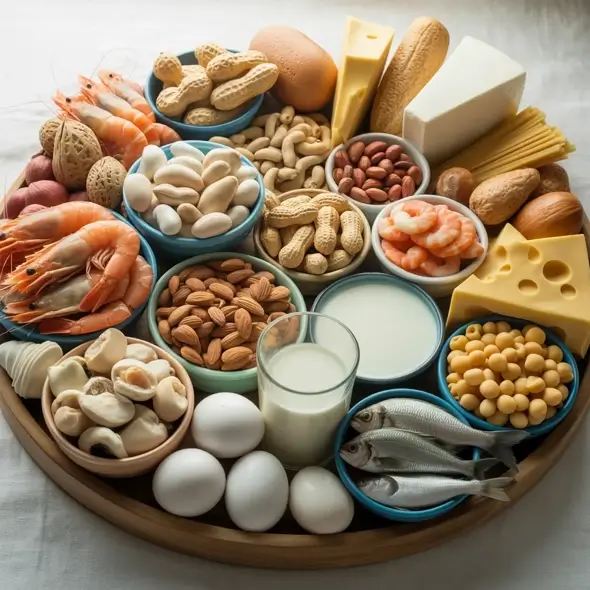
- Questioning Vegan Meals: Never assume that all vegan dishes are safe for customers with allergies; they may still contain allergens such as nuts, soy, or wheat.
- Staff Training Compliance: It is essential to note that employee training on the 14 major allergens and appropriate handling techniques is a legal requirement in many jurisdictions. Ensuring that your staff is well-informed and adequately trained is fundamental to protecting your customers' health and safety and promoting a safe dining environment.