
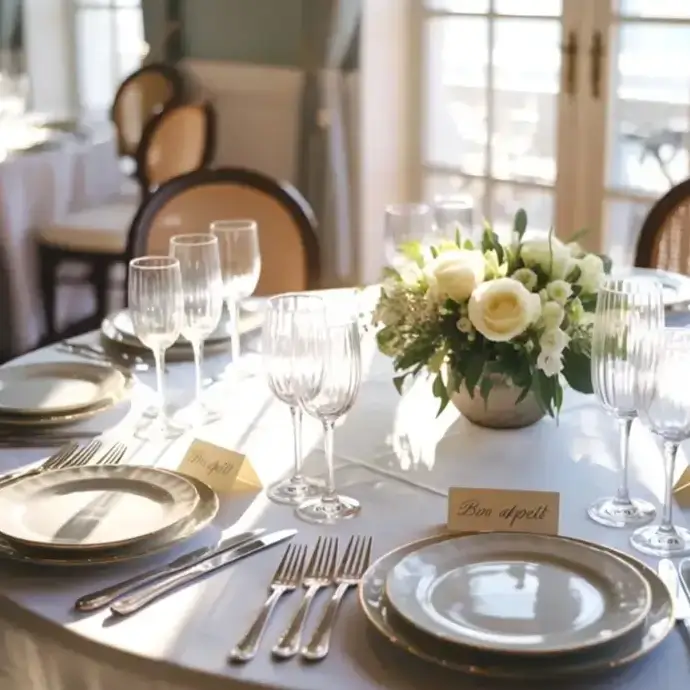


Dinner Table Setting Essentials for Elegant and Functional Dining
Setting a dinner table correctly creates a fine atmosphere that makes guests feel special and creates the desired ambience. A proper dinner table setting includes placing plates, cutlery, and glasses in specific positions to ensure functionality and elegance. Attention to detail, such as aligning flatware and selecting the appropriate glassware, can make a significant difference in whether the meal is casual or formal.
Many people might overlook mood elements such as lighting and textiles, but these elements significantly contribute to the overall impression. The right combination of tableware, candles, and napkin placement not only supports the meal but also creates a welcoming environment. Understanding these basics helps hosts prepare confidently for any dinner gathering.
Essentials of a Dinner Table Setting
A proper dinner table setting involves the specific placement of dinnerware, cutlery, and glassware to ensure both functionality and aesthetics. Each element has a designated spot and purpose to create an organised and welcoming dining experience.
Dinnerware Placement
Often, a charger plate or service plate is placed directly in front of each seat; this is not to be eaten off and serves as the foundation of the setting. The dinner plate is placed centrally on top of the service plate. The side plate, often used for bread, is positioned above and to the left of the dinner plate, roughly between 10 and 11 o’clock on an imaginary clock face.
If serving salad and soup, place the salad plate directly on top of the dinner plate and the soup bowl on top of the salad plate.
Cutlery Arrangement
Forks are always placed on the left side of the plate with the prongs facing upward. The order of use follows a pattern: the outermost fork is used first, working inward. Knives are placed on the right, with blades facing the plate for safety and etiquette.
The spoon, if needed (such as for soup), is positioned to the right of the knives. Dessert cutlery may be placed horizontally above the plate or brought out with the dessert course. Often, the dessert fork will face right, and the dessert spoon will face left.
If a bread knife is used, it should be placed on the side plate at a slight angle, not perfectly horizontally or vertically, for an elegant and aesthetic look.
All cutlery should be aligned with the bottom edges level to create a tidy appearance and facilitate ease of use. This layout ensures that guests can easily access the appropriate utensils in the correct order.
Glassware Selection
Glassware is positioned above the knives on the right side. The water glass is placed nearest to the plate, positioned at the 12 o’clock mark, with wine glasses arranged to the right according to the number and type of wines served.
For example, a white wine glass is set to the right of a red wine glass due to the order of service. Additional glasses, such as champagne flutes, should be placed clearly, but avoid overcrowding the table.
Stemware should be at a comfortable distance from other glasses and the table edge to prevent tipping. This clear, deliberate arrangement supports smooth service and enhances the dining experience.
Types of Dinner Table Settings
Dinner table settings vary depending on the occasion and level of formality required. Each style determines the placement and type of utensils, plates, and glassware, adapting to different dining experiences.
Formal Table Setting
A formal table setting is precise and elegant, typically reserved for occasions such as weddings, business dinners, or fine dining events. It involves multiple courses, so numerous pieces of cutlery are arranged in sequence for use.
The table is symmetrical, with utensils placed in the order they will be used, from outside to inside. The dinner plate sits in the centre with forks on the left and knives and spoons on the right. Glassware, including water and wine glasses, is placed above and to the right of the plate. A centrepiece often decorates the middle of the table, but must not obstruct guests’ views.
Every item is aligned parallel to the table’s edge to maintain formality and proportion. Napkins usually rest on the plate or to the left of the forks.
Informal Table Setting
An informal setting suits casual dinner parties or family meals, where the atmosphere is relaxed but orderly. It uses fewer utensils and may exclude some specialised cutlery or glassware found in formal settings.
Typically, only the essential items are included: a dinner plate, one fork, one knife, and one spoon, with glassware limited to a water glass and perhaps a wine glass. The layout is more straightforward and less rigid, allowing some flexibility in placement.
Napkins are usually folded and placed beside the plate or on top of it. The focus is on comfort and ease, with centrepieces kept modest or absent to encourage conversation.
Choosing Table Linens and Centrepieces
Selecting the right linens and centrepieces directly impacts the table’s aesthetic and sets the mood for the dining experience. Attention to fabric texture, colour coordination, and decorative accents ensures functionality and style.
Tablecloth and Runner Options
Tablecloths provide the foundation for the entire setting. Linen and cotton are popular for their durability and crisp appearance. Sheer or lighter fabrics work well for spring and summer events, while heavier weaves are more suitable for autumn and winter.
Colours should complement the dinnerware and theme. Neutral tones, such as white, grey, or beige, offer versatility. For a bold statement, deep blues or rich burgundies add warmth. Runners can be layered over tablecloths to introduce patterns or contrasting textures, enhancing depth without overwhelming the table.
Size matters: linens should hang evenly around the table; a 20-30cm drop is typically ideal. Careful measurement ensures a balanced look and prevents distractions during dining.
Napkin Folding and Placement
Napkins serve both practical and decorative roles. They should match or coordinate with tablecloths and runners, using the same fabric or complementary colours.
Folding techniques range from simple rectangles and squares to more complex shapes, such as fans or pockets. Simpler folds are suitable for casual meals, while intricate designs are more suitable for formal occasions. Using napkin rings or ribbons can add subtle elegance.
Placement varies: napkins may be placed on the plate, to the left of the forks, or tucked within the glassware. More intricate folds are typically placed centrally to draw the viewer's attention. Simple folds will usually sit unobtrusively on the left, under or outside the forks. Consistency across the table is essential for a polished appearance.
Centrepiece Styling
Centrepieces anchor the table visually and should reflect the tone of the event. Flowers remain a classic choice, with seasonal blooms arranged to avoid obstructing conversation.
For a minimalist approach, pairing greenery with candles creates a clean, sophisticated look. Candles placed around the arrangement enhance mood lighting without appearing cluttered.
When selecting centrepiece size, it must hold presence but remain low enough to allow guests to see each other. Materials and colours should harmonise with linens and dinnerware, maintaining balance throughout the table.
Decorative Elements for Dinner Table Settings
Decorative elements add personality and cohesion to a dinner table. They help organise the space and enhance the mood without overwhelming the practical aspects. Key items often include personalised details and carefully chosen lighting that complements the overall style.
Place Cards and Menu Cards
Place cards serve to manage seating arrangements and add a touch of formality or creativity. They can be crafted from cardstock, wood, or even pressed leaves, depending on the table’s theme. Clear legibility is crucial, so choosing a simple font or handwritten style that is easy to read benefits guests.
Menu cards provide diners with information about the meal sequence, ingredients, or wine pairings. They can be placed individually at each setting or presented in a shared style at the centre. Including allergen information or dietary notes promotes awareness and consideration for guests.
Both place and menu cards work best when their design, colour, and texture complement the table linens and crockery, creating a unified aesthetic.
Candlelight and Lighting Effects
Candlelight offers warmth and intimacy, making it a popular choice for dinner settings. Using unscented candles prevents interference with the aroma of food. Varied candle heights or grouped votives can add dimension without obstructing sightlines.
LED candles or fairy lights offer a safer alternative, providing more control over brightness and colour temperature. They are suitable for longer events or outdoor dinners where wind may be a concern.
Positioning lights strategically around the table ensures even illumination while avoiding harsh glare. Soft lighting emphasises textures and colours, enriching the dining experience subtly yet effectively.
Seasonal and Themed Dinner Table Setting Ideas
Seasonal table settings reflect the time of year through carefully chosen colours, textures, and decorative elements. Themed settings, such as for holidays or outdoor gatherings, create a specific atmosphere that enhances the dining experience and suits the occasion.
Festive Holiday Styles
Holiday table settings often feature traditional colour palettes, such as rich reds, greens, or metallic golds and silvers. Incorporating candles, pine branches, or seasonal centrepieces brings warmth and a festive spirit to the table.
Using themed tableware and napkins with patterns matching the holiday adds cohesion. For Christmas, classic motifs or elegant minimal designs in neutral tones can be paired with floral or pine-inspired centrepieces.
Details such as coordinating cutlery and decorative accents emphasise the celebration without overwhelming the setting. Practicality matters as well—heavier tableware lends a formal feel, while simpler designs maintain a casual yet thoughtful ambience.
Outdoor and Garden Dinners
Outdoor dinners benefit from natural light and breathable materials that complement the environment. Linen napkins, wooden or rattan chargers, and floral centrepieces blend well with garden settings.
Soft, pastel colours or fresh green tones evoke a sense of calm and refreshment. String lights or lanterns placed around the table add subtle illumination and ambience.
Table decorations should be sturdy enough to withstand breezes while remaining elegant. Including seasonal flowers or herbs as decorations adds a fresh and organic touch to the overall arrangement.
Etiquette and Best Practices
Proper dinner table etiquette enhances the dining experience and shows respect to guests. Attention to seating order and polite behaviour at the table are key to maintaining a comfortable and organised atmosphere.
Guest Seating Arrangements
Guests should be seated with consideration for relationships and social dynamics. Traditionally, the host sits at one end of the table, with the guest of honour opposite or to the host’s right. Close family and friends are typically placed nearby, while acquaintances are often seated further away.
Hosts often alternate genders to encourage conversation. If children are present, it is advisable to seat them near adults who can supervise or engage with them. Name cards can be helpful in formal settings to avoid confusion and ensure guests sit in their intended spots.
Seating should allow enough space for guests to dine comfortably without feeling cramped. Chairs should be evenly spaced, allowing room for elbows without crowding.