
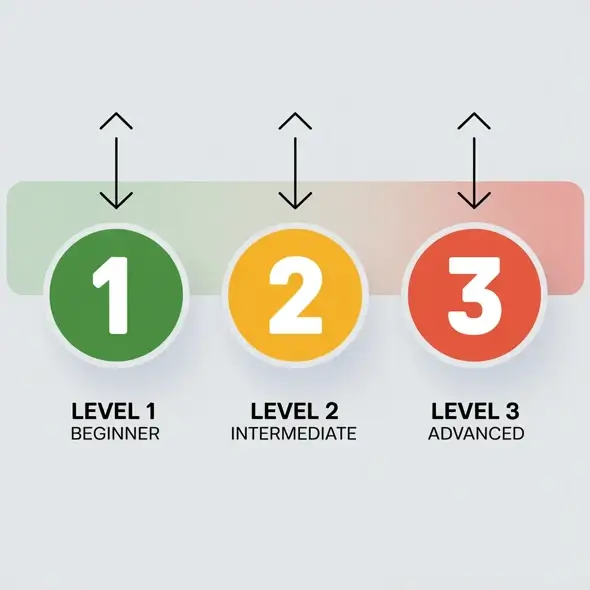


What Level of Food Safety Training do I Need?
Not sure which Level of food safety training you need. Here’s a simple breakdown.
- Level 1: If you work with foods but don’t cook, prepare or reheat dishes.
- Level 2: If you are a chef or cook.
- Level 3: If you are responsible for managing kitchen hygiene or have chefs and cooks working beneath you.
Here’s a more comprehensive breakdown of the food safety training levels
Level 1: Food Safety Awareness (Induction)
- Target Audience: This level is intended for staff members who do not directly prepare food. It is especially suitable for individuals who handle only low-risk or pre-packaged foods, or who work front of house.
Typical Candidates Include
- Front of House Staff: These employees interact with customers and may handle food at a minimal level.
- Delivery Drivers: Individuals who transport food but do not prepare it.
- Warehouse Staff: Personnel involved in the storage and handling of food products before they reach the kitchen or customer.
- Baristas and Cashiers: Employees who serve drinks or process transactions without direct food preparation.
Level 2: Food Safety and Hygiene (Basic)
- Target Audience: This level is designed for anyone who works in a kitchen or other food environment and is directly involved in food preparation, cooking, reheating, or handling.
Typical Candidates Include
- Chefs and Cooks: These are the primary individuals responsible for preparing and cooking food.
- Kitchen Porters: Support staff who assist with cleaning and preparing kitchen areas.
- School and Nursery Staff: Individuals responsible for feeding children and ensuring their dietary needs are met safely.
- Food Manufacturing Staff: Employees involved in the production and processing of food products, where safety standards are critical.
Level 3: Supervising Food Safety (Intermediate)
- Target Audience: This advanced level is intended for those in managerial or supervisory roles, as well as head chefs who oversee food safety protocols and are responsible for staff training and management in food service.
Typical Candidates Include
- Head Chefs: Leaders in the kitchen who develop menus and ensure all food safety practices are adhered to.
- Restaurant Managers: Individuals responsible for the overall operations of the restaurant, including compliance with food safety regulations.
- Catering Managers: Those who run catering operations and must ensure food safety during large events and functions.