
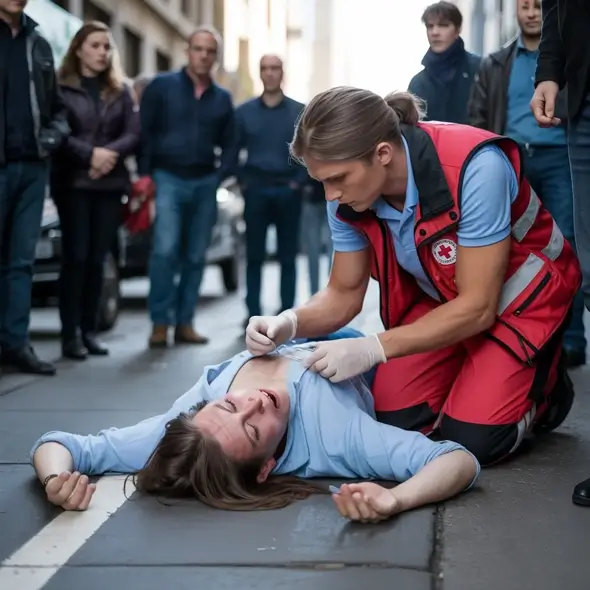


What Is The Treatment For Shock?
If you ever come across someone who appears to be in shock, it's important to act quickly. Shock is a serious medical condition that can worsen rapidly, so your first step should be to call 999 for an ambulance.
While you wait for help, here’s what you can do to assist the person
- Lay Them Down: Gently place the person on their back on a flat surface. To help blood flow to important organs, raise their legs slightly using cushions, towels, or a chair. Be careful not to move them if you think they might have a spinal injury.
- Keep Them Warm: People in shock can get very cold, so it's crucial to keep them warm. Use whatever you have around, like coats or blankets, to cover them and help maintain their body temperature.
- Loosen Tight Clothing: If the person's clothes are tight around their neck, chest, or waist, gently loosen them. This can help them breathe easier and feel more comfortable.
- Control Bleeding: If you notice any serious injuries, like heavy bleeding, apply direct pressure to the wound with a clean cloth or bandage. If the cloth gets soaked, don’t remove it—just put more layers on top while continuing to apply pressure.
- Reassure the Person: Keep the person calm. Talk to them in a soothing manner, let them know that help is on the way, and encourage them to try to relax. Anxiety can make their condition worse, so your calming presence can help.
- Keep an Eye on Them: Monitor the person’s breathing and their responsiveness. If they stop breathing or become unresponsive, be ready to start CPR, which involves chest compressions and rescue breaths.
- Avoid Giving Food or Drink: Do not give the person anything to eat or drink, even if they ask. This can cause choking and might interfere with any medical procedures they might need later.
Types of Shock
- Hypovolaemic Shock: This occurs when someone loses a lot of blood or fluids, often due to injuries or dehydration.
- Anaphylactic Shock: This is a severe allergic reaction that can cause breathing difficulties and needs urgent care. Many allergy sufferers carry an EpiPen, and you will need to ask whether they have one and follow the instructions on the pen to administer an adrenaline shot.
- Cardiogenic Shock: This type occurs when the heart isn’t pumping blood effectively, which can happen during a heart attack.
- Septic Shock: This is a dangerous reaction to an infection that can lead to very low blood pressure and needs immediate medical attention.
- Electric Shock: This requires fast medical help, as it can cause serious internal damage or problems that aren’t obvious right away.