


What Is The Difference Between An Appointed Person And A First-Aider?
When it comes to first aid in the workplace, two key roles are important: the first-aider and the appointed person. They both play vital parts in ensuring safety, but they have different responsibilities and levels of training.
Appointed Person (AP)
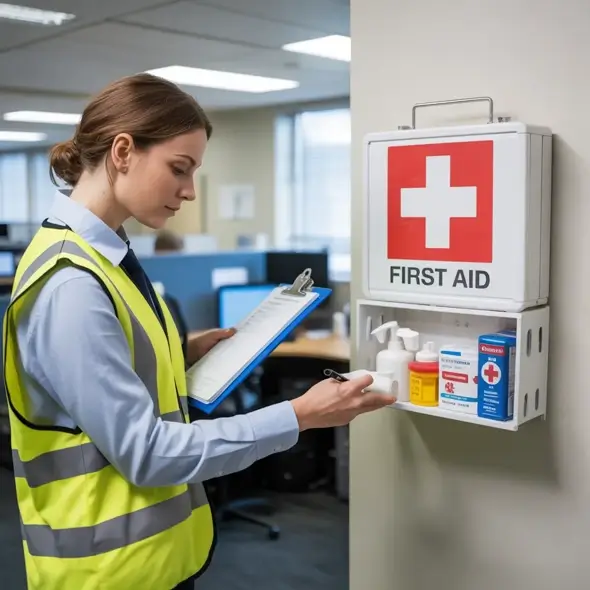
- Role: The appointed person is responsible for managing first-aid resources at work. This means they're responsible for keeping first aid kits stocked, checking that equipment is working properly, and ensuring everyone knows what to do in case of an emergency. They are the go-to person for any first aid-related matters.
- Training: Unlike first-aiders, appointed persons don’t need formal training or certification in first aid. Their job focuses more on the organisation and management of first-aid supplies than on providing medical help.
- Action: If there’s an emergency, the appointed person’s main job is to call for professional help. They do not provide first aid themselves because they lack the necessary training.
- Requirement: The appointed person must be available whenever employees are present to ensure first aid arrangements are effectively managed.
First-Aider (FA)
- Role: A first-aider is trained to give immediate medical help in case of injuries or sudden health issues. They use their training to assess situations and provide the right care until professional help arrives.
- Training: First-aiders have completed recognised training courses and hold a valid certificate demonstrating their ability to perform first aid effectively.
- Action: In an emergency, a first-aider actively helps the injured person, including performing CPR, treating cuts, or managing other urgent medical situations.
- Requirement: Companies assess their risks to determine how many first-aiders are needed. High-risk environments or workplaces with more employees often require trained first-aiders on site.
Key Points to Remember
- Interchangeability: A trained first-aider can take on the role of an appointed person, but an appointed person cannot perform as a first-aider without training.
- Responsibilities: Both roles are important for workplace safety and for adhering to health authority guidelines. They work together to provide complete first aid support.
- Emergency Action: While both the appointed person and the first-aider can call for emergency services, only the first-aider is trained to give immediate medical care until help arrives.
- Alternatives: Even if a workplace risk assessment determines a first-aider isn’t needed, having an appointed person is still a good idea. They can manage first-aid supplies and ensure the workplace is prepared for emergencies, helping create a safer environment overall.