


What Is The Danger Zone for Food Bacteria?
In the United Kingdom, the Food Standards Agency (FSA) highlights the "Danger Zone," referring to temperature ranges that can lead to foodborne illness from bacteria. The dangerous temperature range is between 8°C and 63°C. Some sources might mention a lower starting point of 5°C, but the main idea is to keep food safe by preventing bacteria from growing. To do this, it's important to store perishable foods at temperatures below 8°C (to keep them chilled) or above 63°C (to keep hot food hot).
Key Food Safety Tips
- Danger Zone Temperatures: The official temperature range for food safety is generally considered to be 8°C to 63°C. However, some guidelines may also mention 5°C as a starting point.
- Bacteria Growth: Bacteria like to grow in warm conditions, especially between 20°C and 50°C. It’s important to avoid leaving food at this temperature for too long.
- Keeping Hot Food Safe: When serving hot food, keep it at or above 63°C. This helps stop bacteria from growing and keeps the food safe to eat.
- Reheating Leftovers: When reheating leftover food, make sure it reaches 70°C or higher and stays there for at least 2 minutes. This kills harmful bacteria.
- Time Limits: Perishable foods shouldn’t be kept in the danger zone (between 8°C and 63°C) for more than 2 hours. This limit is key to preventing bacteria from multiplying.
- Safe Storage Tips: Refrigerators work best when kept between 1°C and 5°C. Keeping your fridge in this range helps food stay safe and fresh.
Everyday Examples of Safe Practices
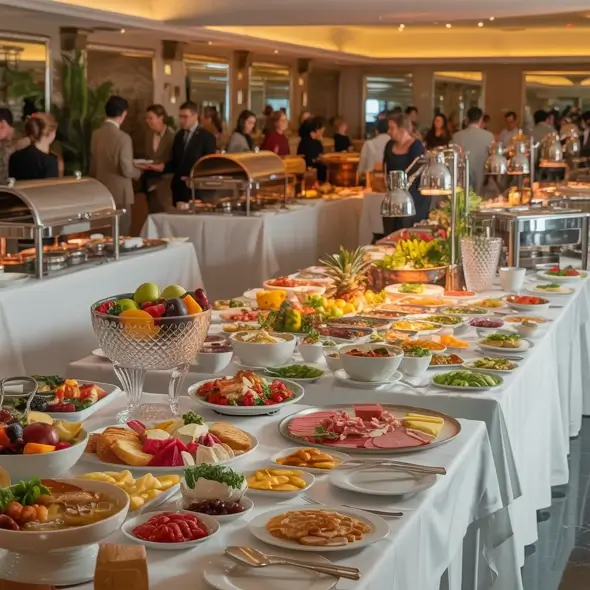
- At Buffets: During events, food should be kept hot (at 63°C or above) or cold (below 5°C). This ensures food safety while people are serving themselves.
- Storing Leftovers: When putting away leftovers, cool them down quickly—ideally within 90 minutes—before refrigerating. Fast cooling helps prevent food from sitting in the danger zone for too long.
- Food Delivery: When delivering cold food, use insulated bags and ice packs to keep it nice and cool, which helps ensure it stays safe to eat.
- Cooking Outdoors: When barbecuing, keep raw meats in a cool spot until you’re ready to cook them. This prevents the meat from warming up too much before grilling.
- Reheating Effectively: If you’re reheating food in the microwave, make sure it reaches at least 70°C to ensure it’s safe to eat.