
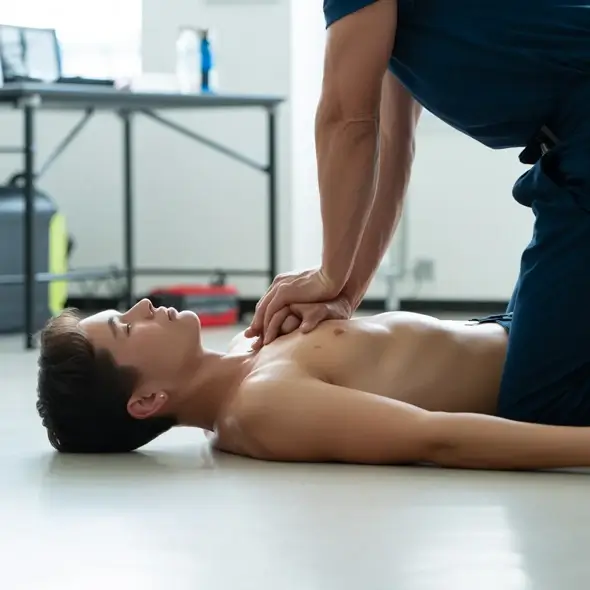


What Is The Correct Ratio Of Compressions To Breaths For CPR?
When performing CPR (cardiopulmonary resuscitation), it's important to know the right way to help someone who has stopped breathing or whose heart has stopped. A well-known method used by emergency responders involves giving 30 chest compressions followed by 2 rescue breaths. This 30:2 ratio applies to everyone—adults, children, and infants—when there's only one person helping.
CPR Ratios by Age Group
- Adults: If you are doing CPR on an adult, whether alone or with someone else, you should push down on the chest 30 times and then give 2 breaths.
- Children: If you’re helping a child and you’re alone, stick with the same 30:2 ratio.
- Multiple Rescuers for Children: If two people are present, the ratio changes to 15 compressions followed by 2 breaths. This means you compress the chest 15 times before giving the rescue breaths.
- Infants: When performing CPR on a baby, if you are the only rescuer, use the same 30:2 ratio as for adults and children.
- Multiple Rescuers for Infants: If two rescuers are working together on an infant, you would switch to 15:2, as with children.
Key Guidelines for Effective CPR
- Compression Rate: Push down on the chest about 100-120 times per minute. This helps blood circulate properly.
- Compression Depth: For adults and children, push down at least 2 inches.
- Compression Depth: For infants, compress to about 1.5 inches deep to avoid hurting them.
- Hands-Only CPR: If you're not trained to give breaths or don't feel comfortable doing so, just focus on giving continuous chest compressions. This method still helps increase the chances of survival.
- Minimise Breaks: Avoid prolonged pauses during chest compressions. Keep any pauses for breaths under 10 seconds to keep blood flowing.
Important Notes
- For Kids and Babies: In young children and infants, heart problems often come from breathing issues. That's why it's important to give rescue breaths if you know how to.
- Initial Breaths: If you’re trained, you might start with 5 breaths for babies and children before doing the 30:2 ratio. This can help get oxygen into their system more effectively right away.
- When Two Rescuers Are Present (for Kids and Infants): If another person joins you while performing CPR on a child or baby, switch to giving 15 compressions, then 2 breaths. This change allows for more breaths and better support.