
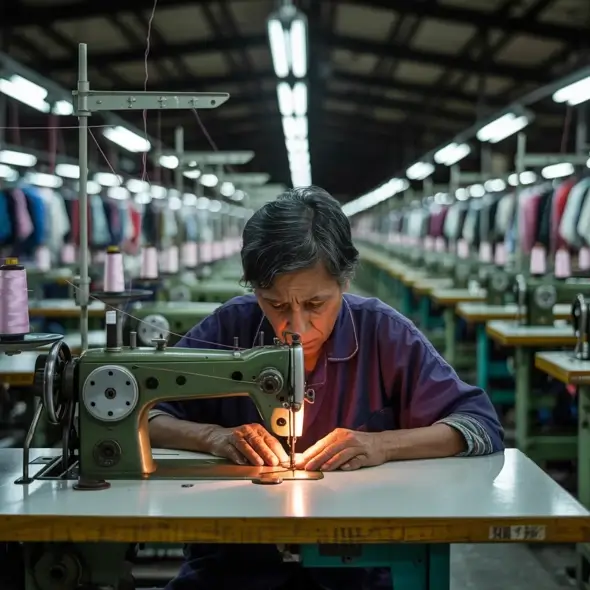


What Is Modern Slavery?
Modern slavery is a serious issue that affects millions of people around the world. It refers to situations where individuals are exploited by others for personal gain or profit. This exploitation often involves a complete loss of freedom and may include tactics like manipulation, intimidation, and severe mistreatment. Currently, an estimated 49.6 million people are trapped in modern slavery globally, showing that this problem exists in many different forms and places, even in the UK. Alarmingly, modern slavery can often go unnoticed, hidden in various industries such as farming, manufacturing, construction, and household work.
Unlike traditional slavery, which was marked by physical chains and open brutality, modern slavery is illegal everywhere and often uses more subtle, psychological methods to maintain control. For example, people may be trapped in exploitation not by force, but through fear, deceit, and overwhelming debt.
Here are some key types of modern slavery:
- Forced Labour: This type of slavery involves people being forced to work against their will, often under the threat of violence or punishment, and usually for little or no pay. Victims might find themselves in tough working conditions with no option to leave.
- Debt Bondage: The most common form of modern slavery. It happens when individuals are required to work to pay off a debt that they can never realistically settle. The terms of these debts are often unfair, making it nearly impossible for the person to escape.
- Human Trafficking: This involves luring or transporting people through trickery or force for the purpose of exploiting them. Victims may be trafficked for forced labour, sexual exploitation, or domestic work.
- Domestic Servitude: Often affecting migrants, this form of slavery finds individuals working in private homes, where they handle chores or caregiving under enforced control. They usually have little movement freedom and may endure abusive conditions.
- Forced or Early Marriage: This occurs when individuals are married against their wishes and cannot leave the marriage. This situation often leads to sexual exploitation and can trap them in ongoing abusive cycles.
- Criminal Exploitation: In this scenario, victims are forced into illegal activities, such as drug production, shoplifting, or being made to beg on the streets, which further complicates their victimisation.
Understanding Control Tactics in Modern Slavery
People involved in modern slavery use various methods to keep their victims under control, including:
- Taking Away Passports: By confiscating identity documents, traffickers make it hard for victims to escape or connect with the outside world, often keeping them completely isolated.
- Threats and Violence: Abusers may threaten to hurt their victims or their families to ensure compliance and obedience.
- Debt Manipulation: Exploiters often charge victims excessive fees for basic necessities like food, housing, or travel, trapping them in a cycle of debt that keeps them from escaping.
- Isolation: Victims may be moved around frequently to cut them off from family and friends, making it harder for them to seek help.
- Fear of Authorities: Many victims are afraid that if they report their situation, they will be arrested or deported, especially those who are migrants or unsure about their legal status.
Recognising Signs of Modern Slavery
Spotting signs of modern slavery can be difficult, but here are some common indicators:
- Physical Signs: Victims may look unwell, dirty, or show signs of abuse, such as untreated injuries.
- Fear and Isolation: Victims may seem scared, avoid eye contact, and hesitate to talk to others.
- Lack of Freedom: You might notice victims being accompanied by others at all times, being moved at odd hours, or living at their workplace, which suggests they have no freedom.
- Poor Living Conditions: Many live in dirty and overcrowded places without proper hygiene or comfort.
- Loss of Personal Belongings: Victims often lack control over their money, personal items, and important documents, indicating a lack of independence.
Who is Most at Risk?
While anyone can become a victim of modern slavery, certain groups are especially vulnerable. This includes people living in poverty, refugees escaping conflict, migrants seeking better jobs, and those dealing with mental health issues or addiction. These circumstances often make them more prone to exploitation.
Getting Help in the UK
If you or someone you know is in immediate danger, you should call emergency services at 999 right away. For support and guidance, you can also contact the Modern Slavery & Exploitation Helpline at 08000 121 700. The Salvation Army offers help through their helpline at 0800 808 3733, providing vital resources for those affected by modern slavery.