
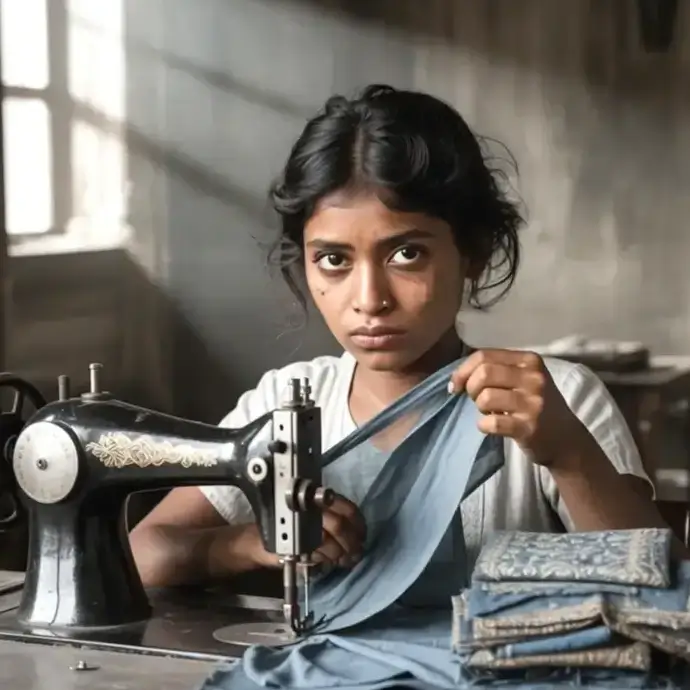


Introduction to Modern Slavery
Modern slavery exists everywhere, often unnoticed. Individuals frequently become trapped in jobs where they may face violence, threats, debt, have their passports confiscated, and be under the constant risk of deportation. Many are lured by hopes of escaping poverty and supporting their families.
Modern slavery is a deeply concerning issue that affects many individuals and refers to situations where people are exploited and controlled through coercion, threats, or deception, depriving them of their basic rights and freedoms. Those trapped in modern slavery often face severe mistreatment and are unable to leave their situation due to fear, manipulation, or economic dependence.
Across the entire British Empire, the Slavery Abolition Act of 1833 made traditional slavery illegal, and America, Brazil and Cuba shortly followed suit. The slavery that was banned is often called traditional slavery, but also known as chattel slavery, and the legal definition of the word ‘chattel’ is a movable article of personal property.
Chattel slavery was effectively the ownership of one person by another, where slaves were treated as personal property to be bought, sold, and inherited, with owners having absolute control and the enslaved having no rights. Chattel slaves were considered personal property; they had no legal rights and were subject to the complete will of their owner. There was no difference in the eyes of the law between chattel slaves and livestock.
The Initial Problems with Giving Slaves Freedom
When traditional slavery was outlawed, it could have created problems for farmers and businesses if they suddenly lost the majority of their labour force. In answer to this, the British government allocated a £20 million compensation fund for plantation owners for their loss of livestock/property, and forced the newly freed slaves to continue working under an apprenticeship scheme. This led to slaves in British colonies being legally obligated to continue working for their former enslavers with some rights and protections. However, the system was often seen as another form of slavery and was abolished early in 1838 due to public pressure.
Once slavery was made illegal, the world should have become a liberal utopia of peace, freedom, and happiness with all people having free choice, basic rights and freedom.
Unfortunately, as the apprenticeship system came to a close, plantation owners sought to replace the labour force that slavery had provided, resulting in the emergence of new and deeply exploitative labour systems designed to secure inexpensive workers. In the British Caribbean, this shift led to the mass importation of hundreds of thousands of indentured servants, predominantly from India, in a desperate attempt to alleviate the labour shortages plaguing the sugar plantations.
The "indenture" system, while distinct from chattel slavery, entrapped labourers in low-paying contracts that spanned several years. These contracts often subjected them to gruelling work and squalid living conditions in a harsh and coercive environment. Though the indentured servants were technically not owned as property, the exploitative nature of their circumstances perpetuated the very dynamics of oppression that defined the plantation economy. Thus, this system, rooted in manipulation and deprivation, ensured the continued profitability of sugar plantations at the expense of those who toiled within them.
The indenture system is a classic example of modern slavery. There is no ownership of one person by another, but the modern slaves are entrapped on a plantation with no escape, and rely on the plantation owners for food and shelter.
So, despite slavery being outlawed, modern slavery replaced traditional slavery and even now exists in many hidden and often overlooked forms. This issue of modern slavery spans industries and communities, making it challenging to recognise and resolve. Exploitation usually goes unnoticed in settings like factories, farms, or homes, where victims can blend in with everyday life.
Types of Modern Slavery
There are many forms of modern slavery, but six of them stand out as they are common practices the world over.
Forced labour. This is any work or service people are forced to do against their will, usually under the threat of a penalty.
- Debt bondage/bonded labour. The most prevalent form of slavery globally involves individuals trapped in poverty who borrow money and are subsequently compelled to work to repay their debts, resulting in a loss of control over both their employment conditions and their financial obligations.
- Child slavery. When a child is exploited for someone else’s gain, this can include child trafficking, child soldiers, child marriage and child domestic slavery. In the UK, 47% of victims are individuals who claimed they were exploited as children.
- Sex trafficking. Sex trafficking is a form of modern slavery where individuals are controlled to engage in non-consensual sexual exploitation for the profit of the trafficker, and often targets vulnerable individuals and children.
- Forced and early marriage. This usually involves a minor who has not given their free and informed consent to enter a marriage. Often, there is a sense of the husband taking ownership of the wife, and the wife cannot realistically leave or end the marriage even when she becomes an adult, leading potentially to a lifetime of slavery.
- Domestic servitude. Domestic work and domestic servitude can encompass a range of services, from housekeeping to childcare. They can offer vital employment opportunities for many individuals, particularly in regions where job options are limited. When effectively regulated, these positions can serve as a significant source of income. Yet, without proper legal protections, workers can become victims of mistreatment, including unfair wages, excessive working hours, and a lack of basic rights. This vulnerability is exacerbated by factors such as isolation, language barriers, and insufficient access to support networks, which can create an environment where exploitation can thrive.
Legal Framework in the UK
The UK has developed a comprehensive legal framework to address modern slavery, with the Modern Slavery Act 2015 standing as a pivotal piece of legislation. This Act consolidates offences related to slavery, servitude, and human trafficking into one cohesive legal structure, simplifying prosecution and ensuring consistency in tackling such crimes. The legislation was supposed to establish harsh penalties for those found guilty of exploiting others, sending a strong message about the severity of these offences. However, in recent years, children in the UK who were trafficked in the sex industry were not protected even though the authorities were aware of the victims' entrapment into modern slavery.
The Act is supposed to strengthen victim protection by enabling individuals affected by modern slavery to access critical support services. This includes housing, medical care, and legal assistance, ensuring victims have resources to recover and rebuild their lives. Furthermore, the legislation claims it has provisions for reparation orders, allowing courts to require offenders to compensate victims for the harm they have endured. These measures reflect a commitment to not only punishing perpetrators but also addressing the needs of those directly impacted.
In addition to the Modern Slavery Act, other legal mechanisms reinforce the UK’s fight against exploitation. The Immigration Act 2016 complements these efforts by introducing offences targeting employers who knowingly exploit workers, particularly those in vulnerable immigration situations. It also strengthens enforcement against traffickers while offering protections for workers at risk.
Law enforcement agencies are supposed to play a critical role in implementing the legal framework, working closely with prosecutors and international partners to dismantle criminal networks involved in trafficking and exploitation. However, despite specialised units being established to focus on modern slavery cases, it does not always ensure thorough investigations and improved outcomes in bringing offenders to justice.
To further enhance victim identification, the UK operates the National Referral Mechanism (NRM), a system designed to recognise and support individuals trapped in slavery or trafficking. The NRM works in tandem with law enforcement and support organisations to assess cases and ensure victims receive appropriate assistance. This mechanism also collects data on modern slavery, aiding policymakers in refining their strategies.
Additionally, legal efforts have been bolstered by the Independent Anti-Slavery Commissioner, a role established under the Modern Slavery Act. The Commissioner works to promote best practices, ensure effective collaboration between agencies, and hold institutions accountable for their responsibilities in combating modern slavery.
Signs and Indicators
Recognising modern slavery can be challenging, as it often occurs in plain sight yet remains hidden due to the manipulative tactics used by perpetrators. Individuals trapped in modern slavery may exhibit signs that, while subtle, can raise concerns when observed closely. Physical indicators such as unexplained injuries, malnutrition, or signs of neglect can suggest abuse or exploitation. A person may appear visibly distressed, withdrawn, or excessively submissive, potentially signalling a lack of autonomy or control over their own decisions.
Behavioural signs can also be revealing. Victims of modern slavery often seem fearful or avoidant when interacting with others, especially with figures of authority. They may provide inconsistent or rehearsed stories about their living or working conditions, indicating that they are under pressure to conceal the truth. In some cases, individuals might have limited freedom of movement, being accompanied by someone who appears to monitor or control their actions, conversations, or whereabouts.
A lack of personal possessions is another potential red flag. Victims may not have access to basic items like clothing, money, or cell phones. They might also lack control over important identification documents such as passports or visas, which another person may hold to exert control. This form of restriction can be particularly common in cases involving labour exploitation or human trafficking, where perpetrators use such tactics to prevent victims from leaving or seeking help.
Living conditions can also offer clues. Victims may be housed in overcrowded or substandard accommodations, often close to their place of work. They might be transported to and from these locations in groups, with little opportunity to interact with others or seek assistance. Their daily routines are typically tightly controlled, and they may seem isolated from the wider community.
In workplace settings, indicators of modern slavery can include individuals who appear excessively tired, are reluctant to speak to others, or seem overly dependent on their employer. They may work unusually long hours with little or no pay, and their working conditions may fail to meet basic safety standards. Employers who discourage or prevent workers from taking breaks, seeking medical attention, or leaving their jobs should be scrutinised for exploitative practices.
Impact on Victims
Victims of modern slavery endure overwhelming physical, psychological, and social harm, often leaving long-lasting effects on their well-being. Physically, individuals may suffer from untreated injuries, exhaustion, and chronic health issues caused by unsafe working environments, lack of medical care, and prolonged exposure to hazardous conditions. Many face malnutrition due to inadequate access to proper food and living in substandard conditions, further weakening their bodies and overall health.
The psychological toll on victims is equally devastating. Many experience intense feelings of fear, hopelessness, and shame as a result of the abuse and coercion they endure. Prolonged trauma often leads to anxiety, depression, post-traumatic stress disorder (PTSD), and difficulties in trusting others, all of which can persist long after their immediate circumstances have changed. Victims who are manipulated or isolated by their exploiters may also struggle with identity and self-worth, finding it hard to regain a sense of autonomy after being treated as commodities rather than human beings.
Socially, victims are often stripped of connections to their families, communities, and support systems. Isolation is a common tactic used by perpetrators to control and silence individuals, preventing them from seeking help or even recognising the possibility of escape.
Children subjected to exploitation face particularly severe consequences. Being forced into labour or trafficking denies them access to education, robbing them of opportunities to develop and thrive. The trauma they experience during critical developmental stages can have significant effects on their emotional, cognitive, and physical growth, creating barriers to building a stable and secure future.
Financial exploitation is another significant impact, as many victims are left with little or no resources. Those forced into labour or trapped in debt bondage often find themselves in cycles of poverty, unable to break free due to withheld wages, fraudulent debts, or threats from their exploiters.
Even after escaping exploitation, survivors often face immense challenges in their recovery journey. Many encounter stigmatisation or discrimination, particularly if their experiences involve trafficking or sexual exploitation. Without access to proper legal, psychological, and social support, survivors can struggle to navigate the complexities of rebuilding their lives in the aftermath of their experiences. The need for safe housing, stable employment, and long-term counselling is critical to addressing the profound effects of exploitation.
These layered impacts underscore the immense difficulty of recovering from the harm caused by modern slavery. Each victim’s experience is unique, shaped by the specific circumstances of their exploitation, yet all are left with enduring scars that require comprehensive and individualised care to heal.
Government and NGO Efforts
Efforts to address modern slavery in the UK rely on a coordinated approach involving both government bodies and non-governmental organisations (NGOs). These groups work together to identify victims, provide essential support, and prevent exploitation through various programs and initiatives.
The UK government has implemented measures to strengthen its response to modern slavery, including the establishment of specialised units within law enforcement agencies. These units focus on investigating and dismantling trafficking networks, as well as prosecuting offenders. Collaboration with international law enforcement is another critical aspect, enabling cross-border operations to combat trafficking and exploitation that often transcend national boundaries.
In addition to enforcement, the government supports victims through mechanisms like the National Referral Mechanism (NRM). This system helps identify individuals affected by modern slavery and ensures they receive necessary services, such as temporary housing, medical care, and psychological support. To improve outcomes, the government also funds training programs for frontline workers, such as police officers, social workers, and healthcare providers, equipping them with the knowledge to recognise potential victims and respond appropriately.
NGOs play a vital role in providing direct assistance to those impacted by modern slavery. Many organisations offer safe housing and emergency support, helping survivors escape exploitative situations and begin rebuilding their lives. Legal services are another key focus, with NGOs assisting victims in navigating the legal system to secure compensation or legal residency when applicable. These groups also provide counselling services, recognising the deep emotional and psychological scars left by exploitation.
Beyond supporting victims, NGOs actively work to prevent modern slavery through education and advocacy. Awareness campaigns aim to inform the public about the signs of exploitation and encourage reporting suspicious activities. These efforts are crucial in breaking down the isolation that often shields perpetrators from detection. NGOs also engage with businesses to promote ethical practices, urging companies to monitor their supply chains and eliminate forced labour.
Partnerships between the government and NGOs are essential to addressing the systemic factors that enable modern slavery. Together, they develop and implement strategies to reduce vulnerabilities, such as poverty and lack of access to education. Local community outreach programs further strengthen these efforts, connecting individuals in at-risk populations with resources that can help protect them from exploitation.
Additionally, international organisations contribute to the fight against modern slavery by fostering global collaboration. These entities share best practices, provide funding for programs, and support research to better understand the evolving nature of trafficking and exploitation. By uniting governments, NGOs, and international stakeholders, these partnerships create a broader network dedicated to eradicating modern slavery.