
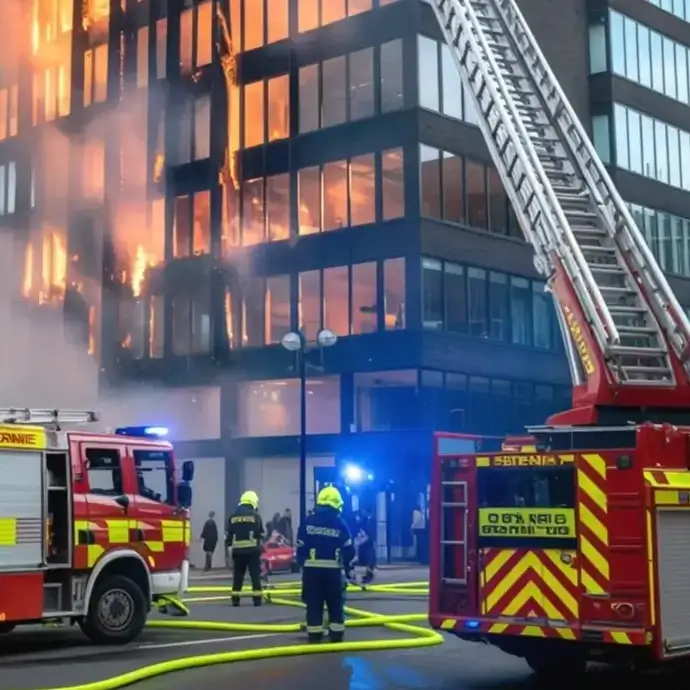


Introduction to Fire Risk Assessment
A fire risk assessment provides a structured method for identifying and managing potential fire hazards within a building or environment. This process emphasises evaluating fire-related risks and implementing measures to minimise them. It is a key practice for maintaining safety, preventing loss of life, and reducing property damage.
Every setting, whether a workplace, industrial facility, or home, presents unique fire risks influenced by its layout, usage, and materials. Conducting a detailed assessment helps property managers, business owners, and other stakeholders understand these risks clearly and take appropriate action. This not only improves safety but also assists in meeting legal obligations and ensuring compliance with fire safety standards.
For this type of evaluation to be effective, it must follow an organised and thorough approach. It involves analysing factors such as potential ignition sources, the presence of flammable or combustible materials, and the current condition of safety equipment. It also assesses how these factors interact within the specific environment. When combined with proper fire prevention measures, these efforts can greatly decrease the risk of fires and reduce their impact should they occur.
In many instances, fire risk assessments also highlight the importance of readiness and prevention. This involves planning escape routes, setting up emergency response procedures, and educating occupants or employees about fire safety protocols. By proactively managing these elements, the chances of confusion or delays during an emergency are significantly reduced.
Since fire risks are not fixed, the assessment process should reflect the changing nature of any environment. As equipment, processes, or building layouts change, the risks change too. Continually updating and refining this assessment is essential to keep fire prevention strategies effective over time.
A Step-by-Step Guide to Conducting a Fire Risk Assessment
A Fire Risk Assessment (FRA) is a systematic process designed to identify, evaluate, and prioritise potential fire hazards within a building. This comprehensive assessment aims to safeguard occupants and property by thoroughly examining the risks associated with fire incidents.
The process starts with a detailed identification of potential ignition sources, including electrical faults, heating systems, cooking equipment, and flammable materials. At the same time, it involves assessing the demographics of those at risk, such as employees, residents, visitors, and individuals with disabilities, to ensure everyone's safety is taken into account.
Following the hazard identification, the FRA evaluates existing safety measures, including the integrity and accessibility of escape routes, the effectiveness of fire doors, and the reliability of alarm systems. Recommendations for improvements might include upgrading fire detection systems, conducting regular maintenance checks, and ensuring clear signage for evacuation routes.
The outcome of the assessment is a formal report that details identified risks, recommended corrective actions, and a set timetable for implementing these measures. This report is not only vital for meeting legal requirements for specific premises, such as social housing and commercial buildings, but also functions as a living document that should be regularly revisited and updated in response to changes in building use, occupancy, and fire safety regulations. This ongoing review process helps to address emerging risks and ensures that fire safety standards are consistently maintained.
What a Fire Risk Assessment Involves:
Identifying Hazards: This essential initial step involves a detailed inspection of the premises to identify possible ignition sources, such as open flames, electrical equipment, and heating appliances, as well as various fuels that could fuel a fire, including paper, cardboard, wood, textiles, and any flammable liquids or gases on site. Furthermore, it includes recognising materials that could help a fire spread, such as combustible wall coverings and furnishings.
Identifying People at Risk: During this phase, the assessment considers all individuals who may be affected by a fire incident within the premises. This includes not only occupants such as residents, employees, and visitors but also vulnerable groups like children, elderly people, and those with mobility impairments. It is vital to account for their specific needs during an emergency.
Assessing Risks: This step involves a detailed assessment of the likelihood of a fire occurring based on identified hazards and the potential consequences of such an event. It includes analysing historical data, current safety measures, and the effectiveness of existing fire prevention strategies. The assessment also considers the potential impact on both life safety and property damage, assigning a risk level to each identified hazard.
Determining Control Measures: After assessing the risks, this step concentrates on proposing and implementing control measures to reduce fire hazards. Recommendations may include installing physical fire safety features such as fire doors, smoke alarms, sprinkler systems, emergency lighting, and clear exit signage. It also involves establishing management protocols like regular fire drills, maintenance schedules for fire safety equipment, and training for staff and occupants on fire safety procedures.
Recording Findings: The assessment results must be carefully documented in a formal report. This report should include a thorough account of identified hazards, those at risk, the risk assessment outcomes, and the recommended control measures. It functions not only as a record to ensure compliance with fire safety regulations but also as a reference for future assessments and fire safety planning.
Identifying Potential Fire Hazards
Identifying potential fire hazards requires a careful examination of the specific features and activities within a building or environment. These hazards can originate from various sources, depending on the type of setting. Electrical systems, for example, may pose a serious risk if they are outdated, damaged, or poorly maintained. Likewise, areas that store or handle flammable materials, such as petrol, chemicals, or cleaning agents, often present a higher risk of fire ignition. Cooking appliances, particularly in commercial kitchens, are another common source of fire hazards due to high temperatures and the presence of grease.
In workplaces and industrial facilities, additional risks may arise from specialised machinery, welding equipment, or chemical storage procedures. Residential buildings, by contrast, often face hazards from heating systems, candles, or overloaded power sockets. The arrangement of furniture and storage areas can also influence the spread of fire, as cluttered spaces might contribute to quicker ignition and flame propagation. Recognising these factors early is vital for reducing fire risks.
Carrying out routine inspections is one of the most effective ways to identify potential hazards. Inspections should concentrate on areas where heat, electrical current, or flammable substances are present. For example, ensuring that electrical cords are undamaged, outlets are not overloaded, and heating appliances are kept a safe distance from combustible items can prevent fires. Another important method for identifying hazards is promoting employee or occupant awareness. Educating individuals about fire risks not only helps them recognise potential issues but also encourages them to report unsafe conditions promptly.
Keeping up-to-date records of hazards and their locations is just as vital, as it supports other fire risk management efforts. This documentation also helps monitor hazards over time and incorporate them into a comprehensive fire safety plan. Effective communication between building occupants, staff, and management further improves the ability to identify and manage fire hazards efficiently.
Assessing the Likelihood and Impact of Fire
Evaluating the likelihood and impact of fire involves analysing specific factors that contribute to fire risks and the possible consequences if a fire occurs. This process starts by assessing how often and under what conditions fire hazards might arise. For example, in a manufacturing plant, machinery that produces heat or sparks may need close supervision, particularly if flammable materials are nearby. Likewise, in office settings, the regular use of electrical equipment and the state of wiring are key factors in determining the chance of fire incidents.
The condition and effectiveness of existing safety measures must also be assessed. For example, having functional smoke detectors, fire extinguishers, and sprinkler systems can greatly decrease the chance of small incidents developing into major events. The risk of fire is also affected by how well safety protocols, such as proper storage of combustible materials or regular maintenance of heating systems, are adhered to.
Examining the potential impact of a fire involves considering the environment and its occupants. Factors such as the number of people present, the ease of evacuation, and the proximity to high-risk areas like kitchens or storage rooms can significantly influence outcomes during a fire emergency. For example, densely populated areas or buildings with limited exit routes pose higher risks to safety in the event of a fire. Additionally, the materials inside the building, such as furnishings, paper, or chemicals, can affect the fire's intensity and the speed at which it spreads.
Special attention should be given to areas housing critical systems or valuable assets. Damage to these locations can have widespread consequences, such as business downtime, financial loss, or the destruction of irreplaceable property. Recognising these risks is vital for allocating resources and prioritising improvements to fire safety systems and procedures. By considering both likelihood and potential outcomes, assessments provide actionable insights that help safeguard lives and property more effectively.
Implementing Fire Safety Measures
Fire safety measures are vital for managing identified risks and lowering the likelihood of fire incidents. One of the main steps involves making sure that fire detection systems, such as smoke alarms, heat detectors, and sprinkler systems, are properly installed, tested regularly, and maintained. These systems are essential for providing early warnings and containing the spread of fire. Additionally, it is important to ensure that fire extinguishers are accessible, operational, and suitable for the specific hazards within the environment.
Clear and unobstructed evacuation routes are fundamental to fire safety. Emergency exits should be clearly identifiable, properly marked with illuminated signage, and kept free from any obstructions. Regular inspections help ensure these pathways remain accessible and meet safety regulations. Additionally, installing emergency lighting along escape routes further improves visibility during evacuations, particularly in the event of power outages.
Safely managing and storing flammable materials is equally crucial. Flammable liquids, chemicals, or combustible items should be kept in approved storage containers and kept separate from ignition sources. Setting strict protocols for their handling and storage diminishes potential hazards. Similarly, areas like kitchens or workshops, which are more susceptible to fire, should have extra safeguards, such as fire blankets or specialised extinguishers.
Another essential measure involves providing regular training for employees or building occupants. Fire safety training should instruct individuals on identifying fire hazards, operating firefighting equipment, and following evacuation procedures. Drills and simulations also reinforce these practices and help prepare occupants for emergencies.
Regular maintenance of systems and equipment that could pose fire hazards is crucial. Planning inspections and servicing for electrical systems, heating appliances, and ventilation units helps catch potential problems early. When these measures are carried out properly, they promote a safer environment by reducing the fire-related risks.
Reviewing and Updating Fire Risk Assessments
Regularly reviewing fire risk assessments is essential to ensure they stay effective. Over time, buildings, equipment, and operational procedures may change, which can modify the nature and level of fire risks. For example, renovations or the installation of new machinery can introduce new hazards or impact current safety measures. By conducting reviews periodically, you can detect these changes and update fire prevention strategies accordingly.
Changes in safety regulations or fire codes also require updates to your assessment. Keeping up to date with these changes ensures compliance and helps avoid potential legal or financial repercussions. Likewise, advances in fire safety technology may offer opportunities to improve protective measures, such as upgrading detection systems or enhancing evacuation procedures.
Reviews should involve assessing the current condition of fire safety equipment, emergency plans, and training protocols. It is crucial to ensure that fire alarms, extinguishers, and evacuation routes are functional and meet standards. Furthermore, any lessons learned from past incidents or drills should be integrated into revised procedures to enhance overall preparedness.
Keeping clear records of changes and updates is just as vital. Precise documentation provides a solid base for future assessments and helps monitor progress in reducing fire risks. Regular communication with staff or building occupants also makes sure everyone stays informed about updates and knows their part in maintaining a safe environment.
By treating fire risk assessments as a continuous process, rather than a one-off task, you can better respond to changing risks and maintain the ongoing safety of people and property.
Who's Responsible for Fire Safety
The term "Responsible Person" refers to the individual or entity legally responsible for ensuring fire safety within a given premises. In workplace settings, this role is usually assigned to the employer, while for residential and commercial properties, it frequently falls to the owner, landlord, or managing agent.
The main duty of the Responsible Person is to carry out a thorough fire risk assessment, which includes systematically identifying potential fire hazards, assessing the risks linked to those hazards, and deciding on the necessary precautions to safeguard occupants and property. After this assessment, the Responsible Person must put into place a variety of fire safety measures.
These measures include, but are not limited to, installing functioning smoke alarms throughout the premises to provide early warning in case of a fire. Furthermore, it is essential to keep escape routes clear and unobstructed, ensuring all occupants can exit safely and quickly during an emergency. Properly installed and maintained fire doors must also be in place to contain fires and prevent their spread, thereby safeguarding the lives of those inside the building.
Moreover, the Responsible Person is responsible for developing and communicating effective evacuation plans to all occupants, including conducting regular fire drills to ensure everyone is familiar with escape procedures. It is also their duty to keep all fire safety measures current and to ensure staff or residents receive proper fire safety training.
Who's Responsible for Fire Safety In a Workplace
Employer Responsibilities: Employers are fundamentally responsible for ensuring fire safety in the workplace. This involves not only identifying and assessing potential fire hazards through comprehensive fire risk assessments, but also implementing suitable preventive measures. Employers must provide regular safety training to all staff, ensuring they are well-informed about fire safety protocols, emergency evacuation procedures, and the correct use of firefighting equipment.
Employee Responsibilities: Employees play a vital role in ensuring fire safety. They must follow established fire safety procedures, stay alert, and report any hazards or unsafe conditions to management without delay. Furthermore, employees should take part in fire drills and training sessions to boost their awareness and readiness in the event of a fire emergency.
Who's Responsible for Fire Safety In Residential Buildings
Fire Safety (England) Regulations 2022: These regulations impose additional duties on Responsible Persons overseeing residential buildings, especially taller or complex ones. More stringent requirements might include upgraded fire safety systems, enhanced staff training procedures, and stricter rules for managing fire safety records.
Landlord Duties: Landlords have a key legal duty to protect their tenants by properly installing and maintaining smoke alarms and making sure escape routes are kept clear of obstructions. Their responsibility includes regularly testing and servicing fire safety equipment to ensure it works when needed.
Roles of Owners, Managing Agents, and Residents' Management Companies: The individual or entity designated as the Responsible Person—whether it is an owner, managing agent, or residents' management company—bears the responsibility for conducting detailed fire risk assessments. They must implement effective fire safety measures, including the installation of fire doors, signage, and appropriate emergency lighting, all tailored to the specific characteristics of the premises.