


What Counts As Working At Height Under UK Law?
Under UK law, specifically the Work at Height Regulations 2005, "working at height" means any job where a person could fall and be injured. Importantly, there’s no specific height at which this rule starts; it applies to any situation where someone is above ground level or even below it, as long as there’s a risk of falling.
Key Points About Working at Height
- What It Means: Working at height includes activities such as using ladders, scaffolding, or working on rooftops—essentially anywhere where someone might fall.
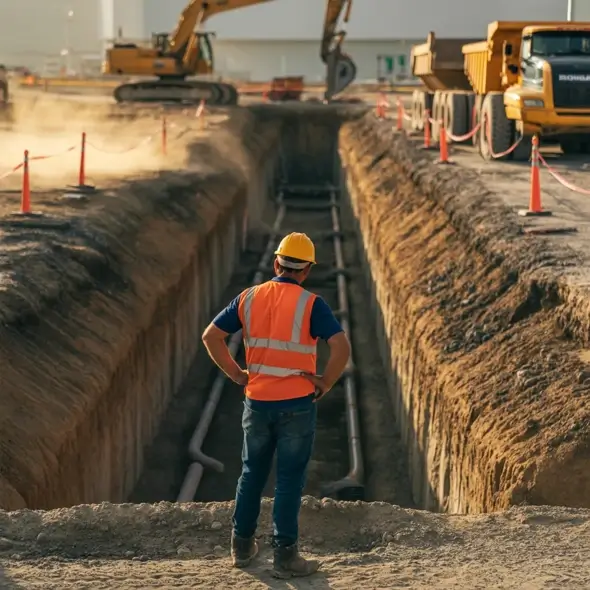
- Working Below Ground: This also includes jobs near open holes or pits where a person could slip and fall.
- Fragile Surfaces: If you’re working on or near delicate surfaces, like skylights, this regulation applies because there’s a risk of falling through.
- Everyday Examples: Common jobs that are considered working at height include climbing a stepladder to fix something, working on a raised platform, loading and unloading trucks, or repairing tall structures.
- What’s Not Included: Some activities aren’t considered working at height. For example, going up or down stairs or tripping on flat surfaces does not fall under these rules.
Responsibilities for Employers
- Avoiding Height Work: Employers should try to avoid situations where employees have to work at height. They should look for other ways to get the job done first.
- Safety Measures: If it’s impossible to avoid working at height, employers need to put safety measures in place to prevent falls. This could include using things like guardrails, safety harnesses, or nets to keep workers safe.
- Reducing Risks: If a fall can’t be prevented, employers must find ways to lessen the distance of a potential fall and its consequences. This might mean using tools that keep workers closer to the ground or installing systems to catch them if they fall.
- Assessing Risks: All work done at height must be carefully planned and supervised. It should only be carried out by people trained to do these tasks. Employers should regularly check for hazards and take steps to manage them.
Overall, these regulations emphasise the importance of proactively prioritising workplace safety. The focus is on ensuring workers are protected from fall-related injuries, rather than just worrying about how high they are working. Keeping a safe environment for all employees is not just a legal requirement but a key responsibility for employers.