


What Are The Rules For Working At Height In The UK?
The Work at Height Regulations 2005 (WAHR) in the UK are important rules that help keep people safe when they need to work up high. These regulations require employers to find ways to avoid working at height whenever they can. If work at height can’t be avoided, they must take steps to protect employees from the risk of falling. This includes careful planning, proper supervision, and ensuring that only skilled and qualified workers perform the job. A thorough check for any potential dangers is also necessary before starting work.
Key Rules for Working at Height
- Avoiding Work at Height: Employers should avoid working at height whenever possible. This might mean using long tools from the ground to do the job without climbing.
- Managing Risks: There’s a clear order to follow to keep safe when working up high:
- Prevent: If working at height is necessary, find ways to prevent falls. This can include using safety features like guardrails or scaffolding.
- Protect: If falls can’t be entirely avoided, use protective gear, like safety harnesses, nets, or airbags, to lessen the impact of a fall.
- Skill Requirements: Only people who have the right training and experience should work at height. This helps ensure that safety rules are followed correctly.
- Equipment Checks: Any tools used for work at height, like ladders or mobile platforms, must be safe and regularly checked to ensure they’re in good condition for use.
- Using Ladders: Ladders should be used only for light, short jobs—typically no longer than 30 minutes. They should also be used only when the risk of falling is low.
- Staying Safe on Fragile Surfaces: Measures must be taken to prevent workers from falling through weak surfaces, such as roofs, and to protect them from falling objects. This can mean putting up barriers or securing tools and materials so they don’t drop.
Real-Life Examples
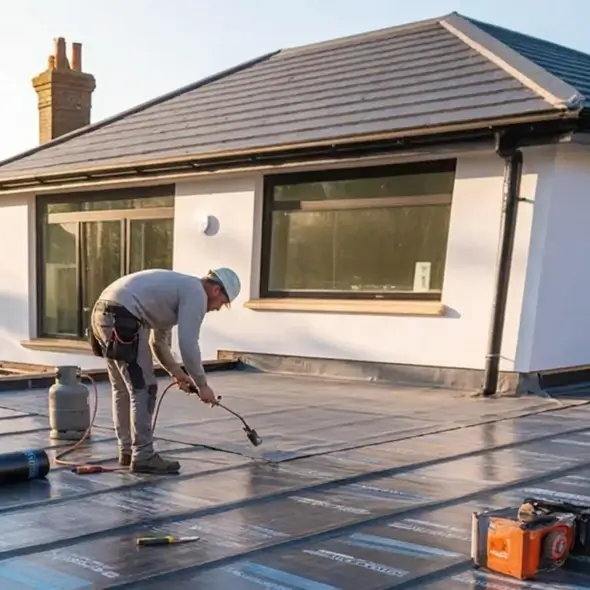
- Working on Roofs: When fixing a roof, it’s important to use scaffolding with safety barriers to create a secure work area.
- Maintenance Work: For tasks that require getting to high places, using cherry pickers or scissor lifts provides a safer, more stable platform.
- Construction Sites: In construction, safety nets are crucial for protecting workers handling steelwork from falls.
- Warehousing: While stable ladders can be used for reaching high shelves for short tasks, they should not be the only way to access high areas.
- Window Cleaning: Using long poles from the ground is a safer option than climbing ladders.