
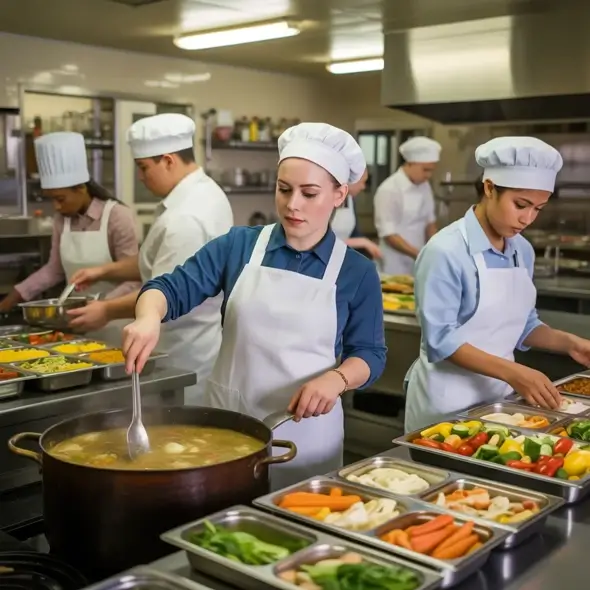


Understanding the Roles of Chefs and Cooks
In the world of cooking, there’s an important difference between chefs and cooks. They both play vital roles in the kitchen, but their responsibilities and training levels differ significantly. However, their ongoing health and safety training regarding food hygiene needs to be taken at the same level.
What is a Chef?
A chef is a skilled expert in the kitchen, responsible for more than just cooking. They manage everything, from creating menus and unique recipes to ensuring top-notch food quality. Chefs may also handle budgets, staff schedules, and food safety, making sure everything runs smoothly. Some common chef positions include:
- Executive Chef: This is the role of a top culinary leader in a kitchen, overseeing the overall direction and operations rather than cooking every day. Their main job includes creating menus, managing costs, and ensuring financial operations run smoothly. They often supervise several dining areas or a large team of chefs and are usually the final say on creating exciting menus and setting prices for dishes that fit the restaurant's style.
- Sous Chef: The second-in-command in a kitchen, just below the head chef. They play a key role in ensuring the kitchen runs smoothly by managing daily activities and supervising the cooking staff. The term "sous" comes from French, meaning "under," so the sous chef is basically the "under-chef."
Their responsibilities include creating work schedules and assigning tasks to other kitchen staff. The sous chef handles daily operations and can step in as head chef when needed. They are heavily involved in preparing food, often stepping in to handle more complicated cooking tasks during busy times. Before food is served to customers, the sous chef also checks the dishes for taste and presentation, making sure everything looks and tastes great. Additionally, they assist the head chef in developing new menu items. - Chef de Partie: Often referred to as a station chef or line cook, plays an important role in a professional kitchen. They are responsible for managing a specific part of the kitchen, including preparing sauces, handling fish, roasting meats, or making desserts.
In addition to their cooking duties, the Chef de Partie also supervises and trains less experienced chefs and kitchen staff in their area, fostering a team-oriented, efficient working environment. Typically, they work under the Sous Chef, collaborating closely to ensure the kitchen runs smoothly and contributing to the overall success of the culinary team.
Stations that Chef de Parties may cover include:- Saucier (Sauce Chef): This chef specialises in making sauces, gravies, and sautéed dishes. Often regarded as one of the most important positions in the kitchen.
- Garde Manger (Pantry Chef): This chef is responsible for preparing cold dishes, including salads, dressings, and cold appetisers.
- Patissier (Pastry Chef): This chef is responsible for all things sweet, including desserts, pastries, baked goods, and bread.
- Poissonnier (Fish Chef): This chef specialises in cooking fish and seafood.
- Rotisseur (Roast Chef): This chef manages the preparation of roasted meats and the sauces that go with them.
- Grillardin (Grill Chef): This chef is responsible for preparing all grilled dishes.
- Friturier (Fry Chef): This chef handles all fried items, ensuring crispy, delicious results.
- Entremetier (Vegetable Chef): This chef prepares hot appetisers, soups, vegetables, and pasta dishes.
- Chef de Tournant (Roundsman): This chef is versatile and can step in to help at various kitchen stations as needed.
- Commis Chef: This is an entry-level kitchen position that plays a crucial role in a restaurant or culinary establishment. This foundational role is typically undertaken by individuals beginning their culinary journey, often fresh from culinary school or with limited experience in a professional kitchen. These chefs work directly under senior chefs, such as the Chef de Partie, and their primary responsibility is assisting with the kitchen's daily operations. They are tasked with preparing ingredients, including washing, chopping, and measuring, ensuring that all items are ready for cooking.
In addition to ingredient preparation, commis chefs handle a range of basic cooking tasks. This may involve cooking simple dishes, such as stocks, sauces, and garnishes, under the supervision of more experienced chefs. As they gain experience and confidence, commis chefs can progress to higher roles within the kitchen hierarchy.
What is a Cook?
A cook prepares food for people to enjoy, often working in restaurants, schools, or hospitals. Unlike chefs, who usually manage the kitchen and create new recipes, cooks follow specific recipes and cooking methods. They focus on making the food and often work at different stations in the kitchen. For instance, a cook might work at a grill, making meats and vegetables, or at a fryer, cooking fried dishes. Their skills focus on cooking techniques, food safety and cleanliness, and kitchen organisation to ensure meals are ready on time. Cooks play a vital role in the food industry, handling the daily tasks that result in tasty dishes served to customers.
Key Differences Between Chefs and Cooks
Many cooks are more than capable of working without supervision and often do so, especially in smaller establishments or those with a simple menu, such as school canteens or fast food outlets. However, in high-end restaurants or busy kitchens, chefs manage staff, plan menus, and ensure food safety, while cooks focus on preparing dishes in line with the chef’s vision.