

Preventing Slips, Trips, and Falls in the Workplace: A Guide to a Safer Environment
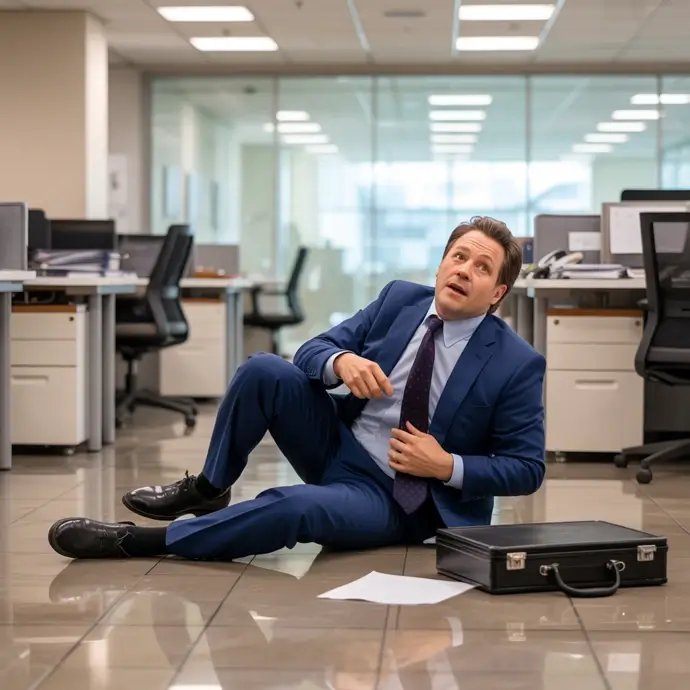
Slips, trips, and falls are among the most common workplace accidents. They can lead to serious injuries, time off work, and high costs for businesses. At HSEDocs, we understand how important it is to create a safe workplace. That’s why we offer a variety of resources and training programs to help you prevent these types of accidents effectively.
Our goal is to provide businesses with the right tools to meet health and safety laws and protect the well-being of all employees. This guide looks at the usual reasons behind slips, trips, and falls, explains what employers need to do, and offers simple tips for reducing these risks.
Understanding Slips, Trips, and Falls
It is essential to distinguish between slips, trips, and falls, as their causes and preventative methods can differ:
- Slips: These occur when there is insufficient friction between footwear and the walking surface, often due to wet or oily floors, spills, or loose floor coverings.
- Trips: Trips take place when a person’s foot strikes an object, causing them to lose balance and fall. Common causes include cluttered workspaces, trailing cables, or uneven surfaces.
- Falls: Falls can result from slipping or tripping, or from working at height on ladders, stairs, or elevated platforms.
Such incidents can cause a range of injuries, from minor bruises and sprains to severe fractures, head injuries, or even fatalities. Beyond the physical impact, these accidents can also affect employee morale, productivity, and a company’s reputation.
Common Causes of Slips, Trips, and Falls at Work
Workplace safety is important in every job, and we need to pay close attention to ensure everyone stays healthy and safe. One common problem is slips, trips, and falls, which can lead to injuries for many people. These accidents can happen in all sorts of places, like offices, warehouses, and construction sites, and they can affect both the injured person and the business as a whole.
Hazards can come from poor maintenance, environmental conditions, or safety rules not being followed. The first step in making things better is to notice these risks. Both employees and employers need to be alert, spot potential dangers, and take action to fix them quickly. By being proactive and fostering a safety-first mindset, we can help prevent accidents and make the workplace safer.
Common Causes
Slips, trips, and falls can result from several factors, many of which relate directly to workplace conditions or routines:
- Wet surfaces: These often arise from spills, rain, snow, or inadequate drying after cleaning, creating slippery areas likely to cause accidents.
- Uneven surfaces: Cracked flooring, loose tiles, or sudden changes in floor levels disrupt balance and increase the risk of trips.
- Poor maintenance: Damaged carpets or exposed cords can add to hazards.
- Cluttered pathways: Objects left in walkways or untidy spaces can obstruct movement and lead to tripping.
- Insufficient lighting: Poor visibility makes it harder to spot hazards such as changes in surface height or obstacles.
- Outdoor conditions: Ice, wet leaves, or similar elements can make keeping one's footing difficult.
- Rushing or inattention: Moving quickly or not paying attention increases accident risk, especially in fast-paced environments.
Common Slip Hazards
- Wet or contaminated surfaces: Spills (water, oil, food), rain, snow, ice, or cleaning fluids can significantly reduce traction.
- Loose flooring: Mats, rugs, or carpets that are not securely fixed.
- Inappropriate footwear: Shoes without sufficient grip for the working environment.
- Uneven surfaces: Worn-out flooring, subtle changes in level, or missing tiles.
Common Trip Hazards
- Obstacles in walkways: Boxes, equipment, tools, or waste left in aisles.
- Trailing cables: Electrical cords, network cables, or extension leads across paths.
- Poor lighting: Dimly lit areas where hazards are difficult to see.
- Damaged flooring or stairs: Cracks, holes, loose stair treads, or broken steps.
- Changes in floor level: Unmarked or unexpected ramps, steps, or transitions between different flooring types.
Common Fall Hazards
- Working at heights: Ladders, scaffolding, roofs, or elevated platforms without proper safety measures.
- Stairwells: Poorly maintained, cluttered, or inadequately lit stairs.
- Openings: Unprotected floor openings or incomplete guarding.
- Slippery surfaces at height: Icy roofs or wet ladders.
Statistics and Facts
Accidents from slips, trips, and falls are a common problem in workplaces everywhere, leading to many injuries across various industries. These kinds of accidents are often reported as one of the top reasons employees get hurt at work, which can cause people to miss days and disrupt business operations.
The impacts of these incidents go beyond just injuries. They can lead to high medical bills, workers’ compensation claims, and lost work time, which can hurt a company’s productivity. Additionally, businesses may find themselves paying more for insurance because of these accidents. While industries like construction and manufacturing see many of these incidents due to their physical nature, even offices and less-risky environments are not safe from them.
Research shows that many falls happen during everyday tasks, reminding us that it’s important to pay attention to even small risks around the workplace. Many falls could be prevented by keeping the workspace tidy and well-maintained. This highlights the need for everyone to stay alert and work on making the workplace safer.
Prevention Strategies
Employers can reduce the risk of slips, trips, and falls by proactively addressing hazards before accidents occur. Key strategies include:
- Keep walkways clear: Remove misplaced tools, equipment, and other items from walkways to maintain safe movement.
- Regular inspections: Frequently check floors for cracks, loose tiles, or other irregularities, and carry out prompt repairs.
- Treat wet areas: Use absorbent mats at entrances, repair leaks quickly, and apply suitable floor treatments to improve traction.
- Use safety markings: Mark uneven surfaces or changes in elevation with tape or paint to increase awareness.
- Secure cables: Ensure cords and wires are safely routed away from high-traffic areas.
- Manage outdoor risks: Have protocols to address seasonal hazards like snow and ice removal, or clear away leaves and debris.
- Provide appropriate footwear: Supply suitable personal protective equipment for relevant tasks and environments.
Prevention measures should be tailored to specific workplace needs. Employers must also provide suitable footwear and protective equipment, ensuring safety strategies match the work environment.
Here are actionable steps:
Good Housekeeping Practices
- Clean spills promptly: Establish clear procedures for immediate clean-up of liquids or substances.
- Keep walkways clear: Ensure aisles, corridors, and exits remain unobstructed.
- Proper waste management: Use designated bins and dispose of waste regularly.
- Secure mats and rugs: Fix all floor coverings securely to prevent tripping hazards.
Effective Flooring and Maintenance
- Choose appropriate flooring: Use materials with adequate slip resistance suited to the work environment.
- Conduct regular inspections: Routinely check floors for damage and repair promptly.
- Maintain stairs: Ensure stairs are well-lit, equipped with anti-slip nosings, and secure handrails.
- Consider drainage: Install effective drainage systems where wet conditions are likely.
Adequate Lighting
- Luminosity: Ensure all areas are well-lit, especially stairwells, corridors, and storage areas.
- Address shadows: Adjust or add lighting to remove dark spots.
- Maintain emergency lighting: Test and ensure functionality regularly.
Cable Management Route
- Cables safely: Use cable tidies, protectors, or overhead systems.
- Avoid temporary wiring: Opt for permanent solutions where possible.
- Condition: Inspect cables regularly for damage or displacement.
Employee Training and Awareness
- Provide mandatory slips, trips, and falls training covering hazard identification, safe practices, and reporting.
- Implement a footwear policy suitable for different tasks and environments.
- Encourage prompt hazard reporting from employees.
- Promote a safety-focused culture throughout the organisation.
Signage
- Use wet floor signs immediately after cleaning or spills.
- Clearly mark uneven surfaces, steps, or temporary obstructions with warning signs.
Case Studies
Real-world examples show the effectiveness of targeted interventions:
- A logistics company reduced incidents by introducing a structured floor maintenance schedule and high-visibility markings for elevation changes.
- A retail chain prioritised employee feedback to address cluttered stockrooms and uneven flooring, leading to fewer injuries and higher satisfaction.
- An office-based organisation addressed lighting deficiencies and trip hazards by upgrading lighting systems and reorganising equipment placement.
Employer Responsibilities in Preventing Slips, Trips, and Falls
Employers have both legal and moral obligations to provide a safe working environment, which includes taking reasonable steps to prevent slips, trips, and falls. Key responsibilities include:
- Conducting risk assessments: Regularly identify and assess potential hazards. Our extensive library of downloadable templates, including risk assessments, can streamline this process.
- Implementing control measures: Use risk assessments to put practical solutions in place, eliminating or minimising hazards.
- Providing training: Ensure employees receive appropriate health and safety training, including guidance on preventing slips, trips, and falls. Our e-learning courses offer efficient and cost-effective delivery.
- Maintaining the workplace: Keep premises clean, tidy, and in good repair. Regularly inspect floors, walkways, and stairs for damage or obstructions.
- Providing appropriate equipment: Supply suitable personal protective equipment (PPE) such as non-slip footwear, if necessary.
- Investigating incidents: Thoroughly investigate any slips, trips, or falls to identify causes and prevent recurrence.
Why Choose HSEDocs for Your Health and Safety Needs?
At HSEDocs, we simplify health and safety compliance for businesses of all sizes. Our platform offers:
Extensive document library: Access a broad selection of downloadable and editable templates, including risk assessments, method statements, and COSHH assessments, customisable with your company logo.
Flexible e-learning courses: Our online training options, such as the Slips, Trips & Falls Certificate, provide comprehensive and engaging content accessible anytime, anywhere.
Commitment to data security: We comply with GDPR and are ISO 27001 certified, with secure servers and daily off-site backups. Our ICO registration number is ZA842938.
Quality assurance: As an ISO 9001 accredited company, we maintain the highest standards in quality management. Our D-U-N-S Number is 222569166.
Social responsibility: We offer discounted and free training to food banks and charities, supporting community initiatives. For example, we provide two free food safety training courses for charities, food banks, and community projects, with a discounted rate of £4.99 per course for charities.
Exceptional customer support: Our support team is available Monday–Saturday from 09:00–17:30 and Sundays/bank holidays from 09:00–13:00. We aim to respond to email within one hour. Phone support is also available at 0800 933 61 61.
We are dedicated to delivering solutions that not only prevent slips, trips, and falls but also strengthen your overall health and safety framework. Our Google Overall Rating of 4.8 from 545 reviews demonstrates our commitment to customer satisfaction.
Frequently Asked Questions about Slips, Trips, and Falls in the Workplace
What are the most common causes of slips, trips, and falls?
The most common causes are wet or oily surfaces, cluttered walkways, poor lighting, damaged flooring, and trailing cables. These hazards can typically be prevented with good housekeeping and maintenance.
What are an employer's legal responsibilities regarding slips, trips, and falls?
must conduct risk assessments, implement control measures, provide training (such as the Slips, Trips & Falls course), maintain a safe workplace, and supply appropriate equipment to ensure employee safety and well-being.
How can we reduce the risk of slips in our workplace?
Clean spills immediately, use anti-slip flooring where appropriate, provide proper footwear, and establish clear cleaning schedules. Regularly inspect walking surfaces.
What measures can prevent trips and falls at work?
Keep walkways clear, manage cables safely, ensure adequate lighting, and repair damaged flooring or stairs promptly. Encourage prompt reporting of hazards.
Do you offer specific training for preventing slips, trips, and falls?
Yes, we provide a dedicated Slips, Trips & Falls course covering hazard identification, risk assessment, and prevention strategies to keep your workforce safe.
How often should we review our slip, trip, and fall prevention strategies?
Review strategies regularly, especially after incidents, workplace layout changes, new equipment, or changes in processes. Annual reviews using our risk assessment templates are a good starting point.