

Preventing Slips and Falls in the Workplace: A Comprehensive Guide
Slips and falls are serious accidents that happen more often than you might think, no matter the workplace. At HSEDocs, we know how important it is to keep your work environment safe, which means being aware of the risks that come with slips and falls. Our goal is to provide you with the tools and information you need to protect your team and meet health and safety standards.
Many people think of slips and falls as minor accidents or just bad luck. However, most of these incidents can be prevented. They can cause injuries that range from small bumps and sprains to severe broken bones, head injuries, and even long-term problems. Not only do these accidents affect individuals personally, but they can also cost businesses significant sums through lost work hours, higher insurance costs, and potential legal issues.
Common Causes of Slips and Falls
Causes often happen because of a mix of the environment and how people act. Environmental factors that can lead to these accidents include wet or slippery floors, uneven surfaces, poor lighting, and obstacles in walkways. Weather can also make things worse, especially when it's rainy, snowy, or icy, particularly outside or in entryways. To prevent these accidents, it's important to keep areas clean and well-lit and to use clear signs to warn people about hazards. However, both employees and employers need to be alert and recognise potential dangers in their surroundings.
On the human side, certain behaviours can increase the chances of slipping and falling. For example, being distracted by a phone, rushing through a workspace, or wearing the wrong shoes can increase the risk of an accident. Additionally, factors such as poor balance, fatigue, or vision problems can make a person more susceptible to slipping. Encouraging people to stay focused and avoid multitasking while walking is key to reducing these risks.
Sometimes workplace practices can unintentionally worsen slip-and-fall hazards. For instance, failing to keep areas clean, ignoring worn-out flooring, or failing to store materials properly can create additional risks. It’s up to supervisors and facility managers to ensure that the environment is safe by addressing these issues proactively.
Overall, the connection between environmental conditions and people's behaviour increases the risk. Understanding how these factors interact is crucial for creating effective prevention strategies that address both the physical environment and people's actions.
To truly prevent slips and falls, it’s essential to understand their underlying causes. While each incident might be different, many have similar hazards at their core. Regularly identifying these risks in the workplace is vital for developing strong safety measures.
- Wet or contaminated surfaces: This remains one of the most prevalent causes of slips. Various substances—such as water, oil, food spills, rain, melting snow, and dust—can significantly compromise surface traction. Polished, tiled, or naturally smooth surfaces become especially hazardous when damp. Adherence to stringent cleaning protocols and prompt spill remediation is imperative.
- Uneven or damaged walking surfaces: Hazards include cracked pavements, loose tiles, potholes, worn carpeting, and abrupt changes in floor elevation. Routine inspection and timely maintenance are necessary to minimise these risks.
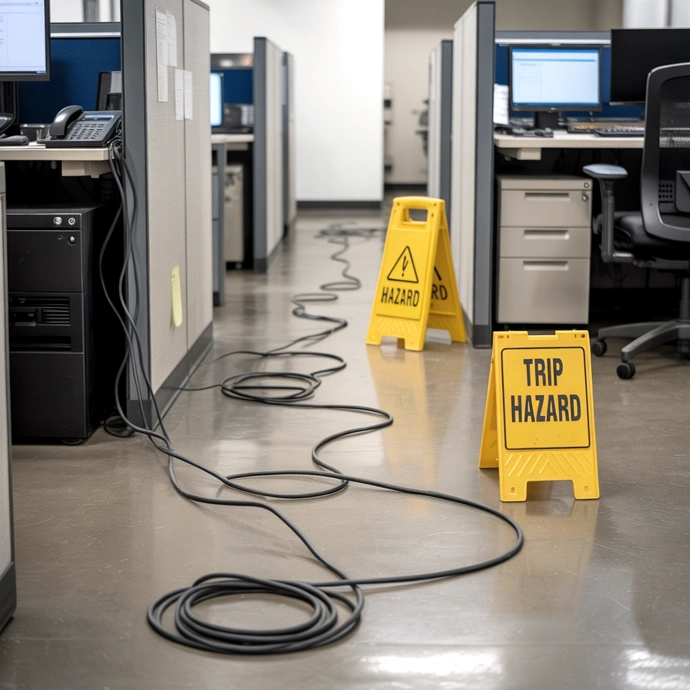
- Obstructions and clutter: Objects left on walkways, trailing cables, equipment, tools, and waste all pose trip hazards. Upholding high housekeeping standards and ensuring unobstructed pathways are essential preventive measures.
- Poor lighting: Insufficient illumination can conceal hazards, making it difficult to recognise obstacles or changes in flooring. Providing consistent, well-maintained lighting throughout work areas is essential.
- Inappropriate footwear: Shoes lacking proper grip, those that are ill-fitting, or not suited to the environment, greatly contribute to slips. Implementation of policies requiring slip-resistant footwear can effectively mitigate this risk.
- Human factors: Distractions such as mobile device usage, hasty movement, carrying loads that hinder visibility, and inadequate situational awareness also elevate risk. Comprehensive training and fostering a culture of safety awareness are integral strategies.
The Hierarchy of Control
When dealing with risks, we recommend using a step-by-step approach called the hierarchy of controls. This method helps us focus on the best solutions first to keep everyone safe, then move down to other important measures that can also help.
- Elimination: Can you remove the slip or fall hazard entirely? For instance, reroute pipework to eliminate chronic leaks.
- Substitution: Can you replace the hazardous item or process with a safer one? For example, use a less slippery cleaning agent.
- Engineering Controls: Can you isolate people from the hazard or redesign the workplace to reduce risk? This could involve installing better drainage, anti-slip flooring, or handrails.
- Administrative Controls: Can you change the way people work? This includes implementing strict cleaning schedules, clear signage (e.g., "wet floor" signs), establishing safe work procedures, and providing comprehensive training for slips and falls prevention.
- Personal Protective Equipment (PPE): While least effective on its own, providing appropriate slip-resistant footwear can be a vital last line of defence when other controls aren't fully effective.
Implementing Effective Prevention Strategies
Proactive prevention is always more cost-effective and humane than reacting to incidents. Here are some key strategies to minimise the risk in your workplace:
- Regular Housekeeping: Implement rigorous cleaning schedules to address spills immediately. Ensure walkways are kept clear of obstructions at all times. This is a fundamental step in preventing slips and falls.
- Floor Maintenance: Regularly inspect and maintain all walking surfaces. Repair damaged flooring, replace worn-out carpets, and ensure outdoor areas are free from debris, ice, and snow. Consider anti-slip treatments for high-risk areas.
- Appropriate Footwear Policy: Establish and enforce a policy for suitable footwear, especially in areas prone to slips. Provide guidance on the types of soles and materials recommended for specific tasks.
- Effective Lighting: Ensure all areas are adequately lit, paying particular attention to stairwells, ramps, and transition zones between different lighting levels.
- Warning Signage: Use clear and visible warning signs to alert employees and visitors to temporary hazards, such as wet floors or maintenance work.
- Training and Awareness: Education is paramount. Our online Slips, Trips, and Falls Certificate course is designed to equip your employees with the knowledge to identify hazards and practise safe behaviours.
- Incident Reporting and Investigation: Encourage the prompt reporting of all slips and falls, no matter how minor. Thoroughly investigate incidents to identify root causes and implement corrective actions, preventing recurrence.
How to Reduce Risk Through Proper Training
Slips and falls are common causes of workplace injuries, making it important for companies to have effective training programs as part of their safety plans. These programs help employees learn how to spot hazards and practice ways to reduce risks.
Good training goes beyond identifying physical dangers; it also examines how people behave and make decisions that could lead to accidents. By focusing on both the environment and human behaviour, companies can create training that not only meets safety regulations but also fosters a culture of safety within the organisation.
These training programs often mix classroom learning with hands-on activities, ensuring that employees understand safety principles and can apply them in real situations. To keep things engaging, companies use modern techniques like interactive workshops and video demonstrations. Since workplaces and technology are always changing, it’s crucial to update training materials regularly to address new risks.
Taking a proactive approach to training helps organisations identify and handle potential safety issues before they become problems, making the workplace safer for everyone.
Technology is also enhancing how slips-and-falls training is delivered. Virtual reality (VR) and augmented reality (AR) offer realistic simulations in which employees can practice recognising hazards and responding appropriately, helping them learn better and remember what they’ve been taught.
There’s a growing trend towards personalised training that tailors content to individual employees' specific roles, making training more relevant and effective. Using data analytics, organisations can evaluate how employees are performing, assess how well training programs work, and identify areas that might need extra focus.
Additionally, mobile learning platforms allow employees to access training resources flexibly, which is especially helpful for companies with remote or spread-out teams, making sure everyone receives consistent safety information, no matter where they are.
Regulations and Standards in the UK
The UK has strict safety rules to protect workers from accidents. Employers must take steps to identify potential hazards, implement safety measures, and create a safe working environment.
One important regulation, the Workplace (Health, Safety, and Welfare) Regulations 1992, states that floors and walkways should be safe and clear of obstacles. Employers need to ensure the surfaces are appropriate for the work being done, and they should quickly fix any issues that could cause accidents, such as wet or damaged floors.
Another rule, known as RIDDOR (Reporting of Injuries, Diseases and Dangerous Occurrences Regulations 2013), requires that serious workplace accidents be officially reported. This helps hold employers accountable and allows for tracking safety issues so improvements can be made.
The Health and Safety Executive (HSE) provides guidelines on reducing the risks, including tips on choosing the right flooring, keeping areas clean, and using clear signs to warn of hazards.
Following these rules not only helps businesses avoid legal trouble, but it also creates a safer environment for all workers. Regular safety checks, risk assessments, and employee training are key to meeting these safety standards.
Why Workplace Accidents are a Serious Concern
Accidents can have serious effects that go beyond just the injury itself. For workers, this can lead to pain, missed work, and a lower quality of life. For businesses, the risks are significant too. These incidents can disrupt daily operations, lower employee morale, and harm the company's reputation. Additionally, the costs associated with slips and falls can add up quickly, impacting profits.
That's why it's crucial for businesses to take prevention seriously. At HSEDocs, we’re dedicated to making workplace safety easier to understand and manage. We believe that preventing accidents starts with knowing the risks and taking proactive steps. Our online platform offers a variety of helpful resources, including risk assessment tools and specialised training courses, to ensure a safer workplace for everyone.
Frequently Asked Questions
What are the most common causes of slips and falls in the workplace?
The most common causes include wet or contaminated surfaces (spills, rain), uneven or damaged flooring, poor housekeeping (clutter, trailing cables), inadequate lighting, and inappropriate footwear. Human factors like distraction also play a role in common accidents.
How can I reduce the risk at my business?
Prevention involves a combination of strategies: maintaining good housekeeping, promptly cleaning spills, regularly inspecting and maintaining walking surfaces, ensuring adequate lighting, providing appropriate footwear, and offering comprehensive employee training. Our Slips, Trips, and Falls Certificate course is an excellent resource.
What are my responsibilities as an employer?
Employers have a legal duty to protect employees from harm, which includes taking all reasonable steps to prevent accidents. This involves conducting risk assessments, implementing control measures, providing safe equipment and work systems, and offering training. HSEDocs helps you meet these responsibilities with our risk assessment templates and policy documents.
What kind of injuries can result from slips and falls?
Slips and falls can lead to a variety of injuries, ranging from minor bruises, cuts, and sprains to more serious outcomes like fractures, dislocations, head injuries (concussion), back injuries, and even long-term disability. The severity often depends on the height of the fall and the surface impacted.
Does HSEDocs offer resources specific to prevention?
Yes, we do! We offer a dedicated online Slips, Trips, and Falls Certificate e-learning course, along with various downloadable risk assessment templates, method statements, and health and safety policy documents that you can customise to address slips and falls risks in your workplace.
How quickly can I get help from HSEDocs if I have questions?
We pride ourselves on responsive customer support. You can call us at 0800 933 61 61 or email. We usually respond to emails within one hour during our business hours, which are Monday-Saturday: 9:00 AM - 5:30 PM, and Sundays and bank holidays: 9:00 AM - 1:00 PM.
Are HSEDocs resources suitable for all types of businesses?
Yes, our documents and courses are designed to be relevant and adaptable across a wide range of industries and business sizes. Our templates can be edited and branded to fit your specific operational needs, helping businesses of all types manage the risk of slips and falls.