


Preventing Slips, Trips and Falls: A Comprehensive Guide from HSEDocs
At HSEDocs, we understand that keeping a safe workplace is important not just because it’s the law, but also because it helps your business run smoothly. One of the most common types of workplace accidents is slips, trips, and falls. These can lead to injuries, time away from work, and even legal troubles. Our aim is to give businesses the tools and information they need to reduce these risks. This guide explains simple and effective steps you can take to prevent slips, trips, and falls, making your workplace safer for everyone.
How to Reduce Slips, Trips, and Falls at Work
Keeping a safe workplace is really important for ensuring that everyone stays healthy and can work effectively. It's the job of employers to look after their employees, and doing so also builds trust and makes the workplace more efficient. One of the most common problems that can lead to injuries at work is slipping, tripping, or falling. These accidents can happen because of simple things like spills that aren’t cleaned up, uneven flooring, or poorly lit areas. While these might seem small, they can lead to serious injuries if we don’t pay attention to them. That's why it's important for companies to actively identify and address these risks.
Safety is something everyone needs to think about—both employers and employees. Employers can put in place rules and equipment to make things safer, and employees should always be aware of their surroundings and let someone know if they see something risky. By working together, everyone can help create a workplace where safety comes first. When we have the right understanding and tools, we can greatly reduce the risk of slipping, tripping, or falling, helping keep everyone safe and the workplace running smoothly.
Identifying Common Hazards
To keep workplaces safe, it’s important to understand what causes slips, trips, and falls. One common issue is wet surfaces, which can happen from spills or bad weather. This is especially true at entryways, where rain or snow can be tracked inside. Additionally, problems like uneven floors, broken tiles, or poorly maintained pathways can create dangerous situations.
We also need to watch out for things that might get in the way, such as loose wires, misplaced items, or clutter, as these can cause people to trip. Poor lighting can make these hazards even harder to see, putting employees at risk.
To prevent accidents, regular workplace checks are essential for finding and fixing these issues. Focus on busy areas, storage spots, and places where the weather can create problems. Paying attention to employee feedback can also help uncover risks that might not be obvious during routine inspections. By identifying and addressing these dangers, businesses can make their workplaces safer and more efficient for everyone.
Implementing Preventative Measures
To keep workplaces safe and avoid accidents, it's important to take proactive steps to address potential hazards before they cause problems. Regularly checking and maintaining the floors helps keep them smooth and safe. If spills or leaks happen, they should be cleaned up right away, and cleaning supplies should be easy for all employees to find. Places that are often busy, like doorways, can be made safer by using mats that absorb water or by choosing floors that prevent slipping. It's also essential to keep walkways clear of clutter, cords, and equipment; having designated storage areas can help keep things organised and avoid blockages.
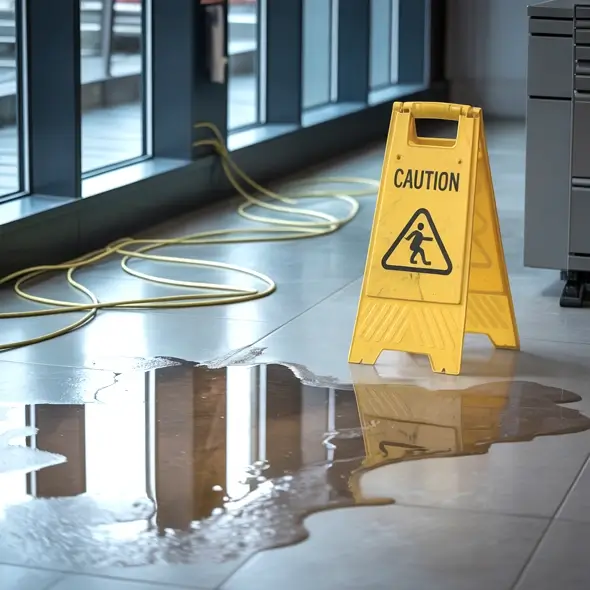
Improving visibility is another important safety measure. If any light bulbs burn out, they should be replaced quickly, and all areas should have enough lighting, including emergency lights, which need regular checks. Temporary dangers, such as wet floors, should be clearly marked with signs to alert everyone. Weather-related issues, such as rain or snow being brought inside, can be managed by regular cleaning and the use of floor dryers. Assigning specific people to handle maintenance tasks helps ensure hazards are addressed quickly.
Employee Training and Awareness
Teaching employees about safety is very important for preventing slips, trips, and falls at work. Training should focus on how to spot and address common hazards, such as wet floors, uneven surfaces, and cluttered pathways. When employees are well-informed, they can help make the workplace safer for everyone.
It’s a good idea to use signs and posters to remind everyone about safety, especially in areas where accidents are more likely to happen. Regular safety meetings and discussions can also keep everyone aware of current or new risks.
Employees should feel encouraged to quickly report anything that seems unsafe using a simple reporting system. This way, any problems can be fixed before they lead to bigger accidents. Hands-on demonstrations, such as showing how to use safety gear properly or how to clean up spills, can help everyone better understand and feel more involved in keeping the workplace safe.
Utilising Proper Equipment and Footwear
It’s important to have the right equipment and shoes to help prevent slips, trips, and falls. In places where the floors can be wet or uneven, wearing shoes that grip well can make a big difference. This is particularly true in jobs like healthcare, food service, and manufacturing.
To keep these areas safe, using non-slip mats where moisture is an issue can help, and having sturdy handrails on stairs and ramps is crucial. Adding bright markings on steps can also help people see them better and avoid accidents.
It’s also a good idea to regularly check safety equipment to ensure it’s still working properly. If mats are worn out, handrails are loose, or any equipment is broken, it should be fixed or replaced right away to prevent accidents. Encourage everyone to speak up if they notice something isn’t right with the equipment, and involve them when choosing the right gear to ensure it’s comfortable and practical for their needs.
Establishing a Safety Culture
Building a strong safety culture in any organisation requires everyone to get involved and stay committed. Leaders should show their dedication to safety through their actions. It's important to have clear rules and guidelines that explain how to reduce risks and what everyone’s role is in keeping the workplace safe.
Getting employees involved in creating these rules and making decisions helps them feel responsible and connected to safety efforts. Encouraging staff to share their concerns or suggestions can lead to useful ideas for improvement.
Recognising and rewarding those who follow and promote safety practices can inspire others to do the same. This could be as simple as giving a shout-out for safe behaviour or offering small incentives. It’s also essential to keep everyone informed; leaders should regularly share updates on safety programs, policy changes, and incident information.
By making safety a part of daily operations, it becomes a priority and integral to the organisation's culture.
Conclusion and Continuous Improvement
Keeping a workplace safe is an ongoing effort that requires regular checks and updates. Safety isn’t just a one-time goal; it’s something we need to focus on continually. By regularly reviewing safety procedures, we can ensure they continue to work well and meet everyone’s needs. It’s important to create an environment where employees feel comfortable sharing their thoughts and any worries they might have. This way, everyone feels responsible for safety.
Looking at reports of accidents or near-misses can help us spot areas that need improvement and guide us in finding the right solutions. By making safety a part of our everyday routines and continually seeking ways to improve, we can protect our employees and foster a workplace culture where everyone feels respected and supported.